What’s the Difference Between 10K and 14K Gold?


The difference between 10K and 14K gold may not be obvious at first glance, but it matters, especially for durability, appearance, and resale value. This guide will break down how karats really work, when purity matters, and how to choose between the two so one can buy or sell without second-guessing.
In a nutshell
10K and 14K gold differ in several ways: gold content, color, durability, and resale value. While both are considered real gold, 10K gold contains less gold than 14K gold, resulting in a color that is less rich. Both are considered durable enough for daily wear, but 10K may be more durable due to its higher alloy content. Finally, when resold, a piece made from 14K gold will fetch a higher price than an identical piece made from 10K gold simply because of its gold content.
Understanding Gold Purity and Gold Karat
Karat is a unit of measurement used to express gold purity, based on a scale of 24. In the modern jewelry industry, the karat system indicates the percentage of gold in a piece.
So when a piece is labeled “24 karats,” it means the item is 100% pure gold.
On the other hand,
- 10K gold means the piece is 10 parts gold and 14 parts other metals, which translates to 41.7% gold content.
- For 14K gold, it’s 14 parts gold and 10 parts alloy, for a total of 58.3% gold.
Why does knowing the karat system matter? It matters for two main reasons.
First, karat represents gold purity, which is the primary driver of value when selling a piece. The higher the karat, the more pure gold content the buyer is getting, and the more they’re generally willing to pay per gram.
Second, karat also acts as a shorthand for durability, another key factor that influences how people compare 10K vs. 14K gold. Lower-karat gold contains more added metals, which makes it harder and more durable.
10K vs. 14K Gold: Side-by-Side Comparison Table
| Feature | 10K Gold | 14K Gold |
|---|---|---|
| Purity | 41.7% gold | 58.3% gold |
| Durability | Higher (more alloy metals) | Softer (but still generally durable) |
| Price | More affordable | More expensive |
| Color Appearance | Slightly duller or muted yellow | Richer and warmer yellow |
| Skin Sensitivity | More likely to trigger reactions due to higher alloy content | Less likely to trigger skin reactions |
| Aesthetic Versatility | Subtle and strong | Preferred for brilliance and prestige |
| Resale Value | Lower due to less gold content | Higher due to more gold per gram |
Color, Durability & Aesthetics
10K vs. 14K color
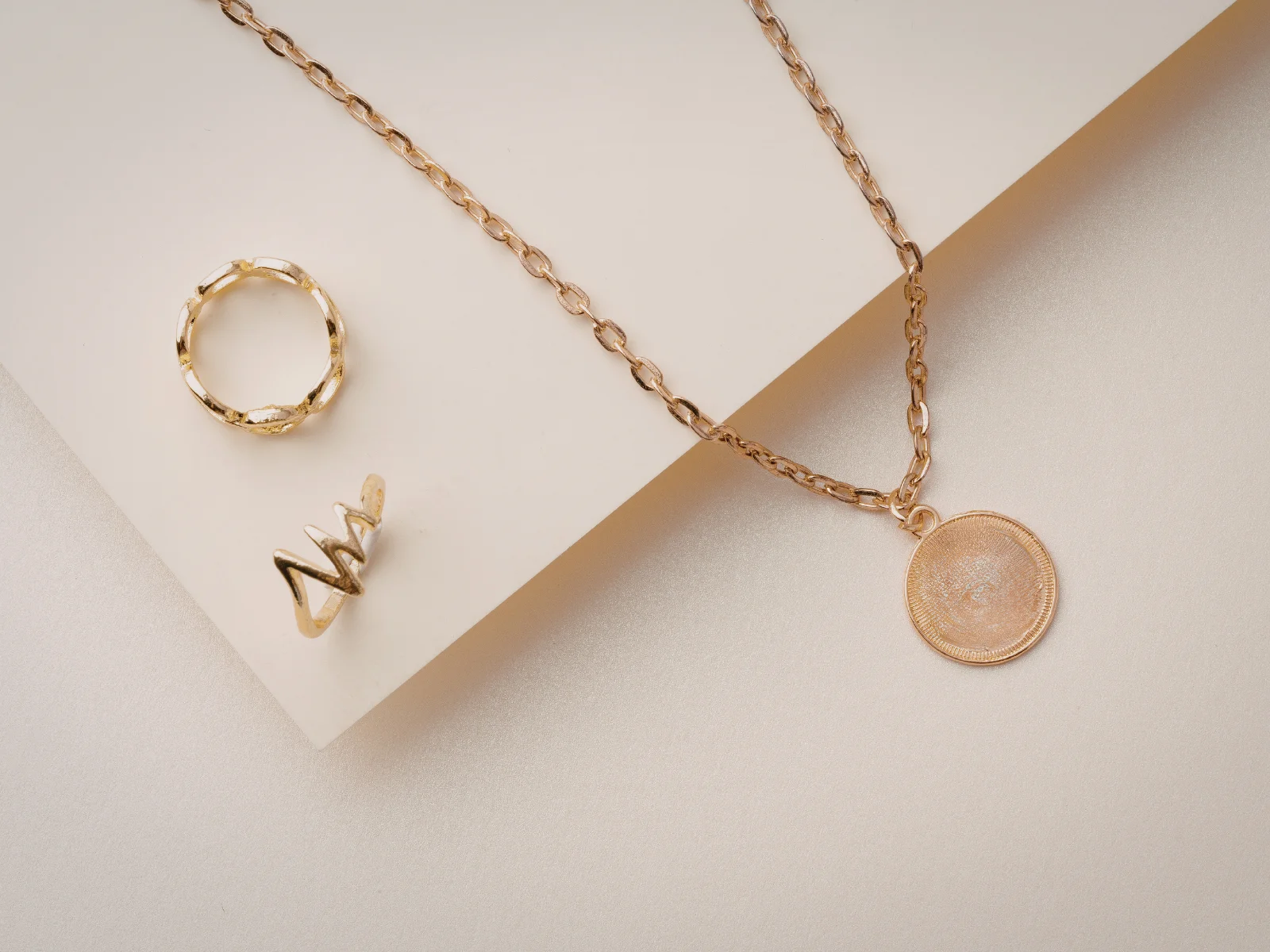
The extra alloys in 10K gold don’t just improve strength. They also dull the color slightly, which explains why 10K gold tends to appear slightly pale yellow.
14K gold, in contrast, has a richer yellow color or a slightly warmer tone. Even so, most people can’t tell the difference unless they’re holding the two side by side under good lighting.
Beyond yellow gold, both 10K and 14K gold are available in other colors, like white gold and rose gold. Rose gold (or pink gold) gets its blush tone from a higher copper content in the mix. On the other hand, white gold is made by adding palladium, zinc (and sometimes nickel) to the gold alloy, and is typically rhodium-plated to give it a bright, silvery finish.
10K vs. 14K aesthetics
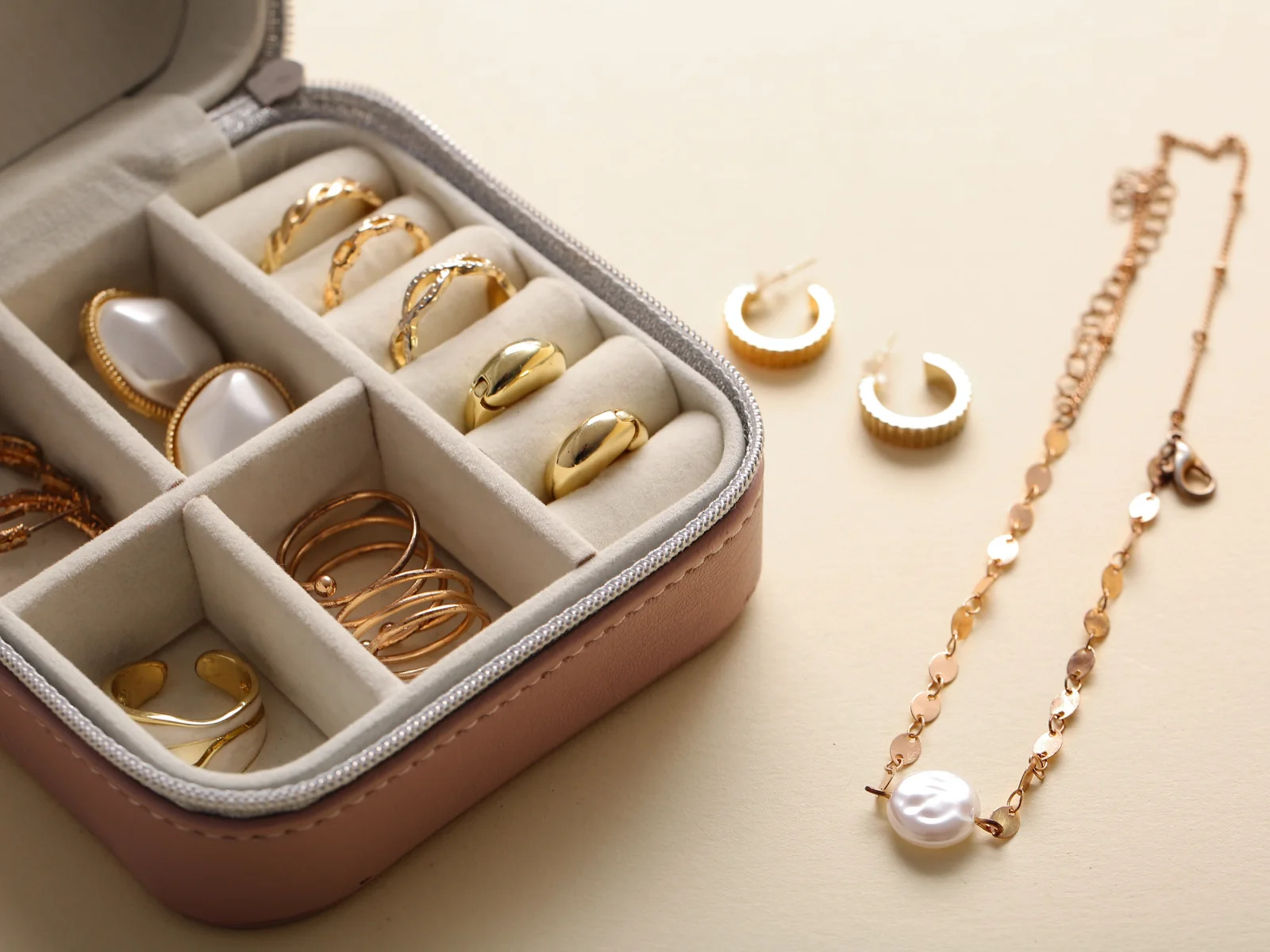
From a visual standpoint, 14K gold typically looks more saturated and warm thanks to its higher gold content.
10K gold, in contrast, can appear more muted or pale. The higher percentage of alloy metals lightens the overall tone, sometimes giving it a slightly grayish or coppery cast, depending on the mix.
It’s also worth noting that certain design styles, such as textured finishes or intricate engravings, can mask color differences. So while aesthetics matter, they’re rarely the deciding factor unless someone is buying a prestige piece or something meant to match a specific karat shade.
10K vs. 14K durability
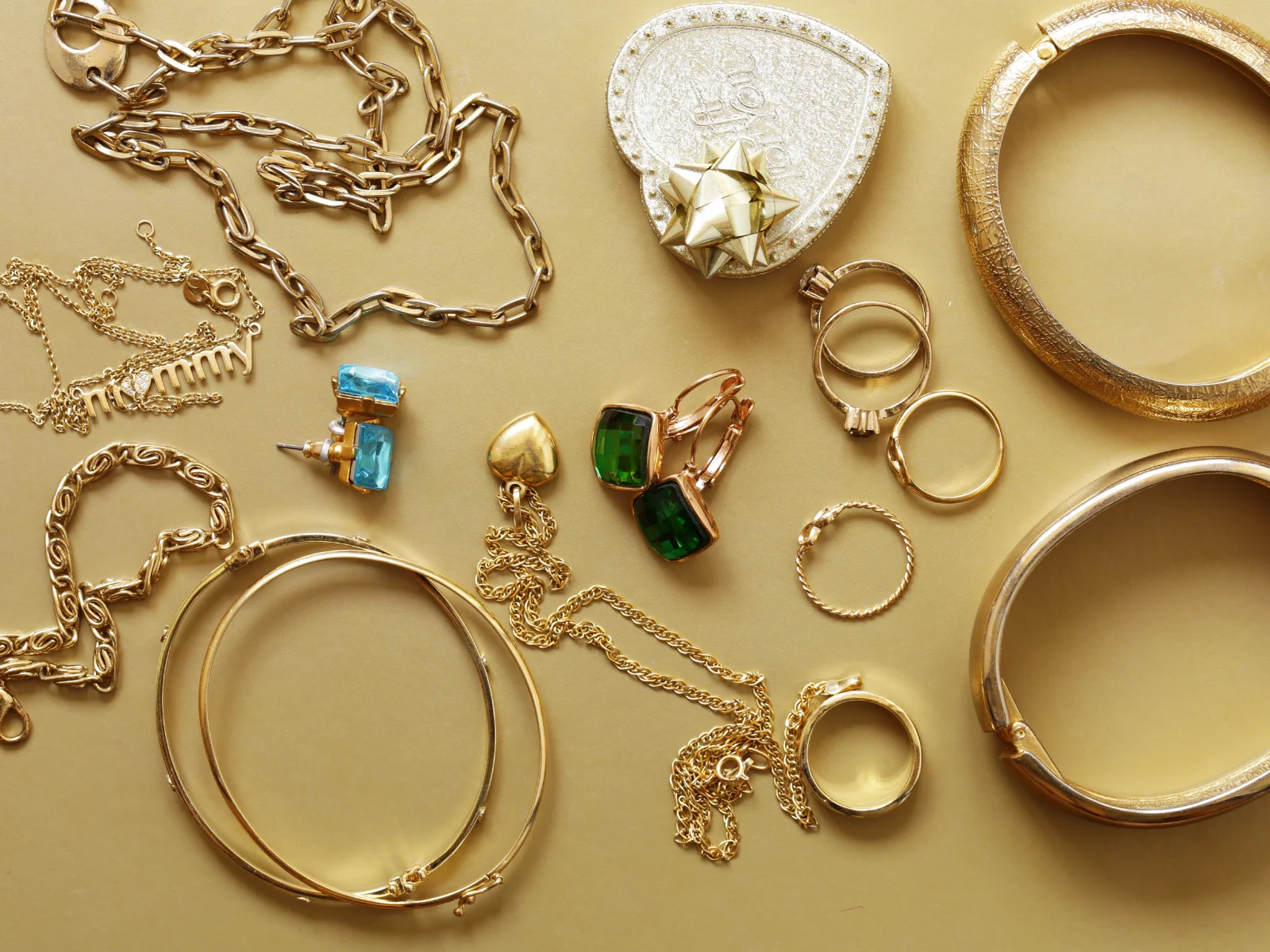
A major difference between 10K and 14K gold is durability.
Lower-karat 10K gold is more durable because it contains a higher percentage of alloy metals. This makes it less prone to scratches, dents, or bending, which is why it’s often chosen for everyday wear.
14K gold, on the other hand, is slightly softer and more easily dented than 10K gold due to its lower alloy content. However, it’s still durable nonetheless. In fact, the balance of durability and gold content it offers is why 14K gold remains the most popular karat for gold jewelry.
10K vs. 14K hypoallergenic properties

10K gold contains a higher percentage of alloy metals, which means there’s a greater chance it contains nickel, a common culprit in skin irritation and allergic reactions.
Of course, that doesn’t mean nickel is always present. However, if someone has sensitive skin or is allergic to metals, 14K gold is generally a safer option. It contains less alloy and a higher proportion of pure gold, and tends to cause fewer allergic reactions.
When to Choose 10K vs. 14K Gold
Below are a few pointers when choosing gold jewelry.
10 karat gold is a great choice when…
- Someone is buying on a budget but still wants real gold.
- The gold jewelry will be worn daily and is likely to take a beating (e.g., gold rings, wedding bands, chains, bracelets).
- The wearer works with their hands or leads an active lifestyle (e.g., tradespeople, gymgoers).
- Someone wants something more scratch-resistant and less prone to bending.
- The recipient needs practical gold jewelry that won’t require delicate handling.
- No one is planning to resell the item; they just need something sturdy and wearable.
14 karat gold is a great choice when…
- Someone is buying fine gold jewelry with sentimental or symbolic meaning (e.g., gold engagement rings, wedding rings, heirloom gold rings, or other pieces).
- The wearer wants a richer, more saturated yellow tone from higher gold content.
- The item will be worn occasionally or with care.
- The purchaser wants higher gold purity and a lower risk of allergic reactions to metals like nickel.
- The buyer is buying or selling in markets where 14K is the minimum acceptable standard (e.g., in Europe and parts of Asia).
- Someone plans to resell the item later and wants a stronger payout potential based on gold purity and weight.
Price and Resale Considerations
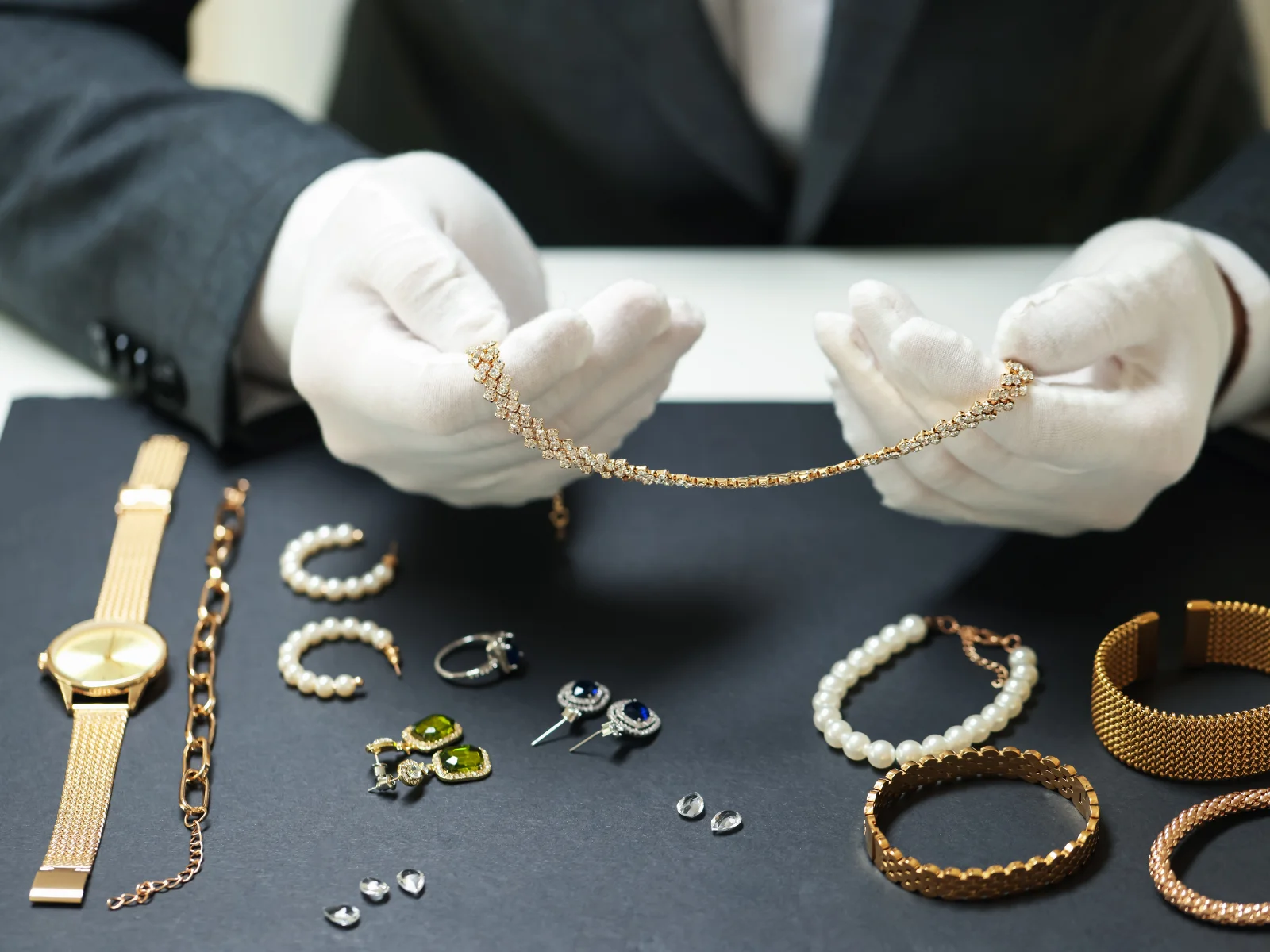
If someone is buying gold jewelry as an investment or planning to resell it later, 14K gold holds more value per gram because it contains more actual gold: 58.3% vs. 41.7% in 10K gold.
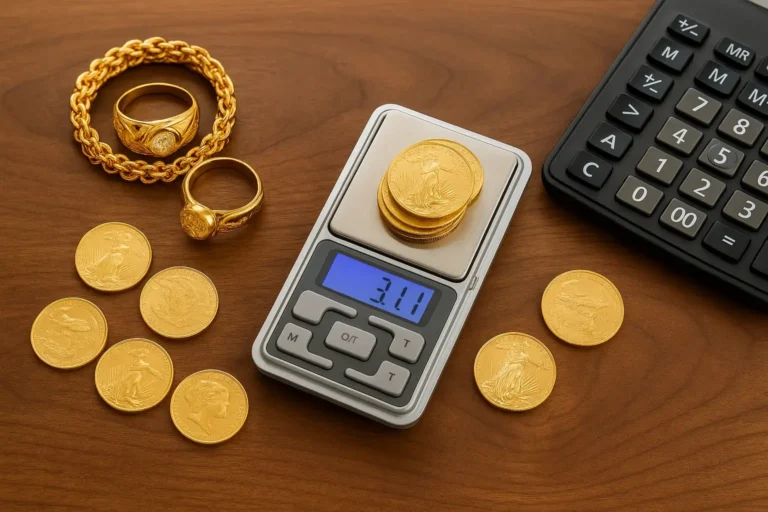
Say someone is selling their gold today, with gold priced around $5,000 per ounce (about $161 per gram). A 10K and 14K gold chain that weighs 10 grams would be worth roughly $671 and $938, respectively, in melt value.
So, a 14K piece contains about 1.4 times the gold value of a 10K piece. That means it’s roughly 40% more expensive per gram, and would also yield roughly 40% more when sold for melt.
This price difference and valuation generally applies when selling to scrap gold buyers or refiners, where payouts are based strictly on weight and purity.
What about pawnshops and consignment stores?
If maximizing the return is the goal, these options are usually less favorable. Offers are often lower, either because payouts are capped (paying around 40% to 50% of value) or because appearance, design, or visible flaws can further reduce value.
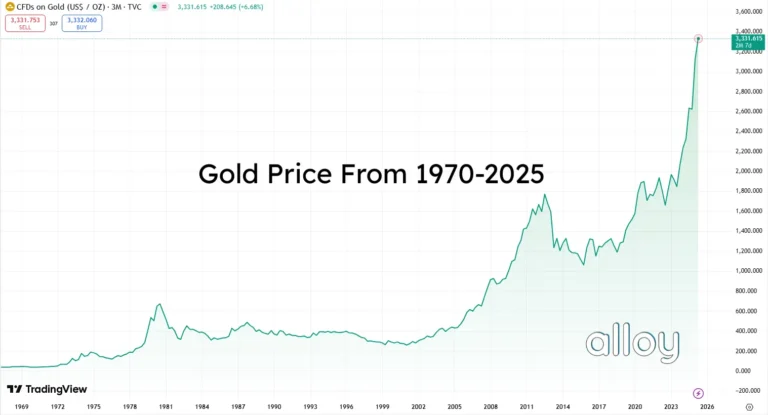
To get a better sense of how gold karat purity interacts with current pricing, check out Alloy Market’s historical gold price tool. It provides context on when and why gold spikes and how timing can work in your favor when selling.
Selling 10K and 14K Gold with Alloy Market
For anyone looking to sell 10K or 14K gold, The Alloy Market makes the entire process simple from start to finish. Sellers can sell from the comfort of their own home by requesting a free evaluation kit. It ships directly to your door and includes a free, postage-paid parcel to pack your items in. We also cover insurance and tracking; you only need to schedule a free FedEx pickup for your package.
Once it arrives, our team uses professional equipment to test and weigh your items. You will receive an itemized offer the same day we receive your package. When you accept your offer, we issue payment the same day. If you decide not to sell, we’ll send your items back to you at no additional cost.
You keep 100% of the quoted price; we never charge any hidden fees. Your satisfaction is one of our highest priorities. Just read the reviews from our happy customers. When you’re ready to sell, choose Alloy as your go-to precious metal buyer.