
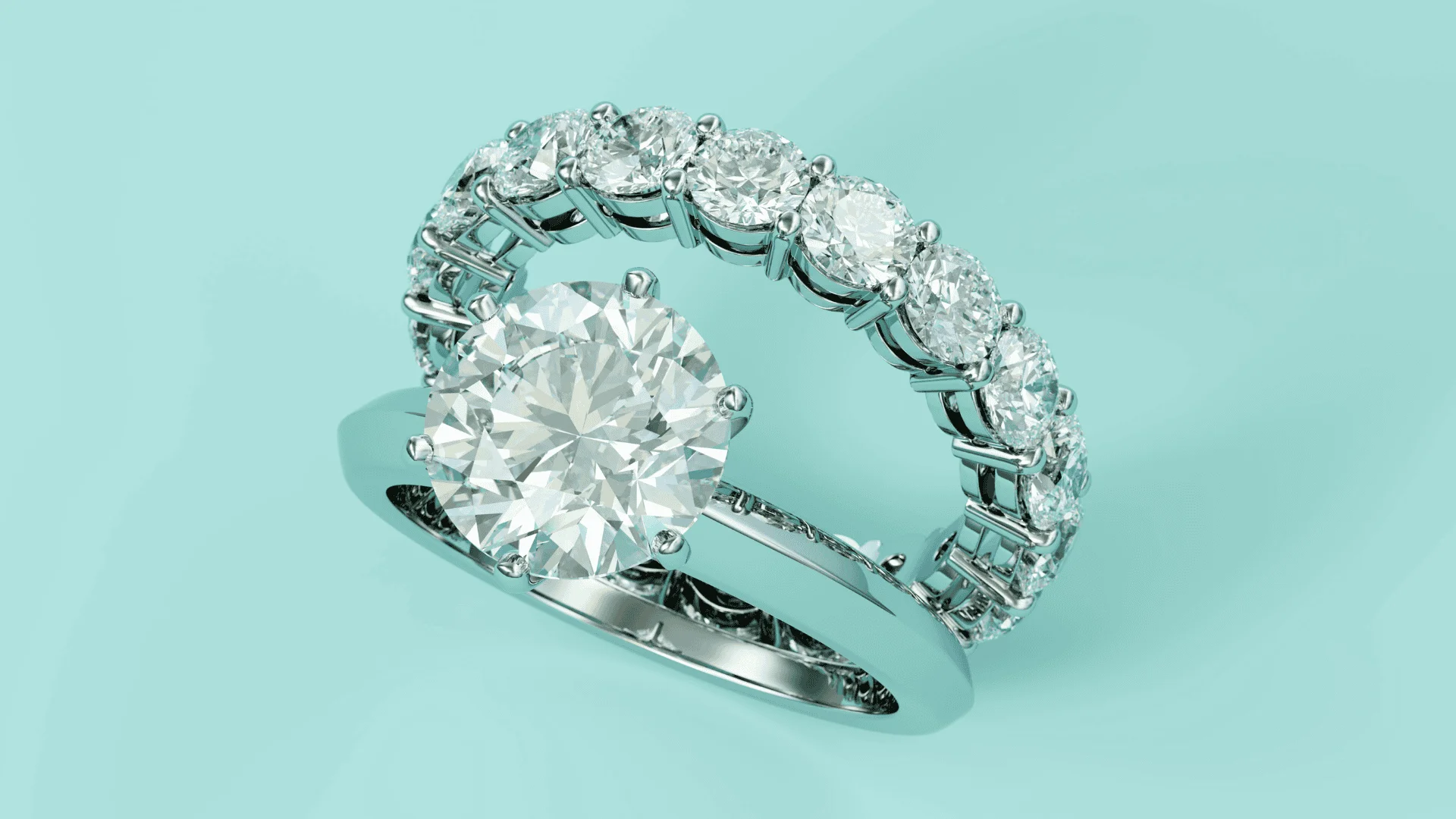
How is White Gold Made?


White gold is a sleek and stylish alternative to traditional yellow gold. It has become popular, a common choice for engagement rings, necklaces, and other fine jewelry. But what is it, and how is white gold made?
This guide explores the process from alloying to rhodium coating. It will clarify both the science and craftsmanship behind this popular metal.
In a nutshell:
White gold is an alloy that is created by combining gold with other, more durable, but less expensive metals. The inherent value of white gold lies in its gold content, or karat. White gold is valued the same as its rose or yellow gold counterparts of the same karat and weight. Some view white gold as a less expensive substitute for platinum, though it does require more upkeep than the rarer metal.
What is White Gold?
White gold is a precious metal alloy created by mixing the following ingredients:
- Pure yellow gold
- One or more white metals, such as palladium, nickel, and silver
- Copper (sometimes added for extra durability)
This alloying process changes both the appearance and durability of the gold. Depending on the mix, the color produced can differ. The range moves from subtle shades that range from pale yellow‑white to more silvery gray.
All that said, we can take these things to be true:
- White gold is real gold – it just isn’t pure 24 karat gold.
- Because it’s blended with other metals, it doesn’t occur naturally. Instead, it’s man-made – engineered.
That begs the question: If white gold doesn’t occur naturally, what sparked its creation?
How did white gold come into existence?
The push toward white gold originally came as an affordable alternative to platinum. In the early 20th century, platinum was the ultimate luxury white metal for fine jewelry. But during wartime, governments prioritized platinum for military and industrial purposes. This market shift restricted its use in jewelry.
To meet the continued demand for white-colored pieces, goldsmiths began creating alloys that were white in color. Typically, they mixed yellow gold with nickel, palladium, and silver. That blend became what we now know as white gold. It proved to be more economical and practical while still holding the luxury look of platinum, which is both rare and expensive.
Soon enough, white gold stopped being just a “substitute”. The later introduction of rhodium plating made new pieces nearly indistinguishable from those made of platinum. Coating the alloy in rhodium further amplified white gold’s brightness and reflectivity.
White gold quickly became a category of its own. It has firmly established itself in mainstream jewelry alongside yellow and rose gold.
White gold vs. other gold
White gold sits alongside yellow gold and rose gold as the three main choices for gold jewelry. To compare each one at a glance, refer to the comparison table below.
| Type | Appearance | Typical Alloys | Additional Notes |
|---|---|---|---|
| Yellow Gold | Warm yellow. Deeper color at higher karats | Gold + silver + copper (commonly 14K, 18K) | Timeless classic. Strong in the U.S. traditional market. Especially dominant in India, the Middle East, and East Asia. |
| White Gold | Bright white when rhodium-plated. Natural alloy is off‑white to gray | Gold + nickel OR gold + palladium, with silver and/or zinc | Modern look that aligns with clean, minimalist trends. Its color beautifully complements diamonds, making it a top choice for engagement rings. |
| Rose Gold | Pink to reddish. Color deepens with more copper | Gold + higher copper content, sometimes with silver | Fashion‑forward and vintage‑inspired. Popular with younger buyers. |
How is White Gold Made Step by Step?
Mixing gold with alloy metals
Adding alloy metals goes beyond simply changing pure gold’s color into a clean white hue. It also alters gold’s properties. The combination makes it durable enough for everyday wear and strong enough to hold gemstones securely in place.
Here’s a rundown of the specific reasons alloy metals are added to white gold:
- Strength and durability. Alloying makes white gold significantly harder than pure gold. As a result, rings and bracelets don’t bend or scratch easily.
- Shape retention. Stronger white gold means that parts like setting prongs keep their form and hold gemstones securely.
- Color adjustment. Nickel or palladium in white gold helps reduce the natural yellow hue of gold. The shift toward a silvery white emulates the luxurious, high-end look of platinum. Because platinum is a much rarer and more expensive metal, it is a great alternative.
- Wearability. Palladium‑based white gold is naturally whiter and hypoallergenic. Conversely, nickel‑based white gold is especially hard and more affordable.
White gold requires a rhodium coating
Even with alloying, the natural tone of white gold isn’t perfectly bright. To achieve the crisp, mirror‑like finish buyers expect, jewelers coat the surface in rhodium.
Rhodium is a platinum group metal that amplifies whiteness and reflectivity. This final step gives white gold its signature brilliance.
Over time, the plating wears down, revealing the alloy’s faint yellowish tint. That’s why jewelers recommend replating every 1–2 years to keep the piece looking new.
Why Does White Gold Eventually Start to Look Like Yellow Gold?
White gold eventually begins to resemble yellow gold as the rhodium plating wears off. Once this thin outer layer fades, the pale yellow-white alloy underneath becomes visible. Without the coating, the warmer tint of the jewelry is visible.
Replating is typically recommended every 1–2 years, depending on the frequency of wear for the piece. Some signs it’s time to replate include:
- Dull or uneven shine
- A faint yellow cast showing through
- A patchy appearance compared to when it was new
Below are some maintenance tips to help white gold jewelry last longer and delay the need for replating:
- Do clean your jewelry gently with mild soap and water
- Do store it separately to avoid scratches
- Don’t expose it to chlorine, bleach, or harsh cleaners
- Don’t wear it during heavy activities that may cause abrasion
Is White Gold Real Gold?

Yes, white gold is real gold. It contains genuine gold at its core, but it is mixed with other metals. The combination is created to change its color and improve durability.
White gold’s base is always pure yellow gold, measured in karats just like yellow or rose gold. What makes it “white” is the addition of metals such as nickel, palladium, or silver. These metals alter the appearance from yellow to a silvery tone. At the same time, the alloy makes the metal harder and more resistant to daily wear.
This means that while the look and strength differ from pure gold, the intrinsic value remains tied to its actual gold content.
Whether it’s 14K or 18K, white gold is authentic gold, just engineered for a different style and performance.
Understanding “Karats”: How Much Pure Gold is in Your White Gold Jewelry?

A karat (K) measures gold purity – that is, how much of the piece is composed of real gold. Pure gold is 24K, the highest point on the scale. But in jewelry, we usually see these standard karat ratings:
- 10K White Gold: 41.7% pure gold and 58.3% alloy metals. Harder and more durable, but with less gold content overall.
- 14K White Gold: 58.3% pure gold and 41.7% alloy metals. Typically mixed with nickel, palladium, or silver to add strength and a pale tone.
- 18K White Gold: 75% pure gold and 25% alloy metals. Richer in gold content but softer, making it more prone to scratches and wear.
As you can see, the higher the karat, the greater the gold content. That also means the piece will be softer. In the case of white gold, it may appear faintly yellowish once the rhodium plating wears off. Lower-karat white gold is usually harder and keeps its bright appearance longer.
We’ve examined karats in the context of white gold, but the same system applies to gold in general. When looking at yellow or rose gold, the karat and percentage remain the same. This is true regardless of the alloy used to adjust color or hardness.
The Advantages of White Gold
Below are the advantages of white gold, explaining why it’s become a standard choice for engagement rings and fine jewelry:
- Elegant, modern look. White gold’s rhodium finish gives it a clean, stylish brightness. Buyers love that it pairs beautifully with diamonds and other white gemstones. It also complements the clean, minimalist aesthetic that many buyers look for today.
- More affordable than platinum. It delivers a luxury aesthetic without the high cost of platinum. Financially, it is a much more practical choice.
- Durability in daily wear. White gold alloys created with nickel or palladium make it stronger against damage. It’s more difficult to scratch and more capable of holding gemstones securely.
- Comfortable weight. White gold is lighter than platinum, so larger pieces feel less heavy on the hand or wrist.
The Disadvantages of White Gold
While white gold has numerous strengths, jewelers and owners also highlight its limitations. These are areas worth weighing before making a purchase.
- Requires regular rhodium replating. The plating that creates the crisp white finish typically lasts 12–24 months on rings. White gold requires re-dipping in rhodium to maintain the desired color and shine.
- Skin irritation for some wearers. Nickel-based alloys may cause allergic reactions once the rhodium layer thins.
- Color inconsistency and fading over time. Because rhodium plating is thin, it can wear unevenly. High-use pieces (rings, bracelets) show wear faster. Exposure to chemicals, lotions, and friction only speeds this up.
- Ongoing maintenance costs. While cheaper initially than platinum, white gold incurs recurring costs. The precious metal requires replating and polishing, and may also incur potential allergy management. The upkeep is higher compared to platinum, which stays naturally white.
Market Timing and Selling White Gold
When considering the sale of white gold, it is helpful to understand the factors that influence its resale value.

Alloy buys white gold
Request a free Alloy Kit, ship from home, and receive a same-day offer after evaluation.
Alloy buys white gold
Request a free Alloy Kit, ship from home, and receive a same-day offer after evaluation.
Spot price as the benchmark

The spot price of gold is the live market price per ounce, updated daily. This figure underpins all resale values and serves as the benchmark buyers use.
You can check this value online by simply searching for “current gold spot price.”
While navigating through the charts, one may notice that this value changes every day. Gold may be worth more tomorrow than today.
When selling just one or two pieces, it won’t make much of a difference whether it sells today or tomorrow. That’s because gold prices historically have either held steady or risen over time. In practice, this means focusing less on short-term daily swings and more on the overall value of the gold content.
Gold content (karat) and weight
Karat and weight go hand in hand. The higher the karat, the purer the gold the piece contains. By the same logic, the heavier the item, the more gold it contains overall.
For the seller, this directly translates into how much money a piece sells for. Buyers calculate payouts based on both purity and weight in relation to the current spot price of gold.
This is especially true when selling to buyers who purchase for melt value. The Alloy Market specializes in this type of evaluation and offers some of the most competitive payouts in the industry.
Conditions of the jewelry
The condition of gold jewelry matters especially when selling to jewelry resellers or private buyers. They will value appearance in addition to metal content.
Pristine condition, along with a strong brand name, can increase what they’re willing to pay. Scratches, dents, or missing stones, on the other hand, can lower the offer.
Condition matters less to melt-value buyers, as their focus is on the gold content. That means offers are more likely to be paid closer to the spot price, regardless of wear and tear.
Seasonality and timing

Market timing isn’t only about spot price. Seasonal demand also matters.
The December gift-giving season, spring and summer wedding seasons, and cultural events like the Lunar New Year can all influence demand for gold jewelry. Selling during these peak times may attract more buyers or stronger offers.
Conclusion: Is White Gold for Me?
White gold is real gold that has been engineered to offer a platinum-like appearance at a lower cost. It strikes a balance between style, durability, and practicality, making it a strong option for many buyers.
Someone who wants the luxury appearance of platinum without its steep price tag should look to white gold. It’s also the natural choice for someone planning to set diamonds as their gemstone, since the colors pair seamlessly.
Just keep in mind the ongoing maintenance costs. White gold typically requires rhodium replating every two to three years. Without it, it isn’t easy to maintain its shine and brightness.
Sell Your White Gold with Alloy
Alloy Market buys white gold and guarantees the highest payouts on the market; we’ll meet or beat any competitor’s offer up to 95% of the spot price. To sell your gold with Alloy, request a free Alloy Kit today. We’ll send your kit right away. Inside, you’ll find a postage-paid parcel to pack and send your items to us for evaluation.
When it arrives at our location, our experts will analyze it for purity and weight and send you an offer. Accept the offer and we’ll initiate payment the same day. Join the thousands who trust Alloy. We want to be your go-to gold and precious metal buyer.


