How Much Is a Class Ring Worth at a Pawn Shop?


Class rings mark school graduation; a symbol of achievement and belonging. Then life moves on, and they end up forgotten in a jewelry box for decades.
When the need for cash arises, pawn shops feel like the obvious choice. Walk in, and walk out with money. But these shops are notorious for paying far less than what the gold is worth. Understanding how they appraise rings and where else to sell can mean pocketing hundreds of dollars more. So, how much is a class ring worth at a pawn shop? Read on to learn more.
In a nutshell
Most pawn shops pay 30% to 60% of a class ring’s melt value. Sellers who need funds right away may benefit from the convenience, but those able to wait often get better returns from local jewelers or mail-in buyers like The Alloy Market.
What Is a Class Ring?
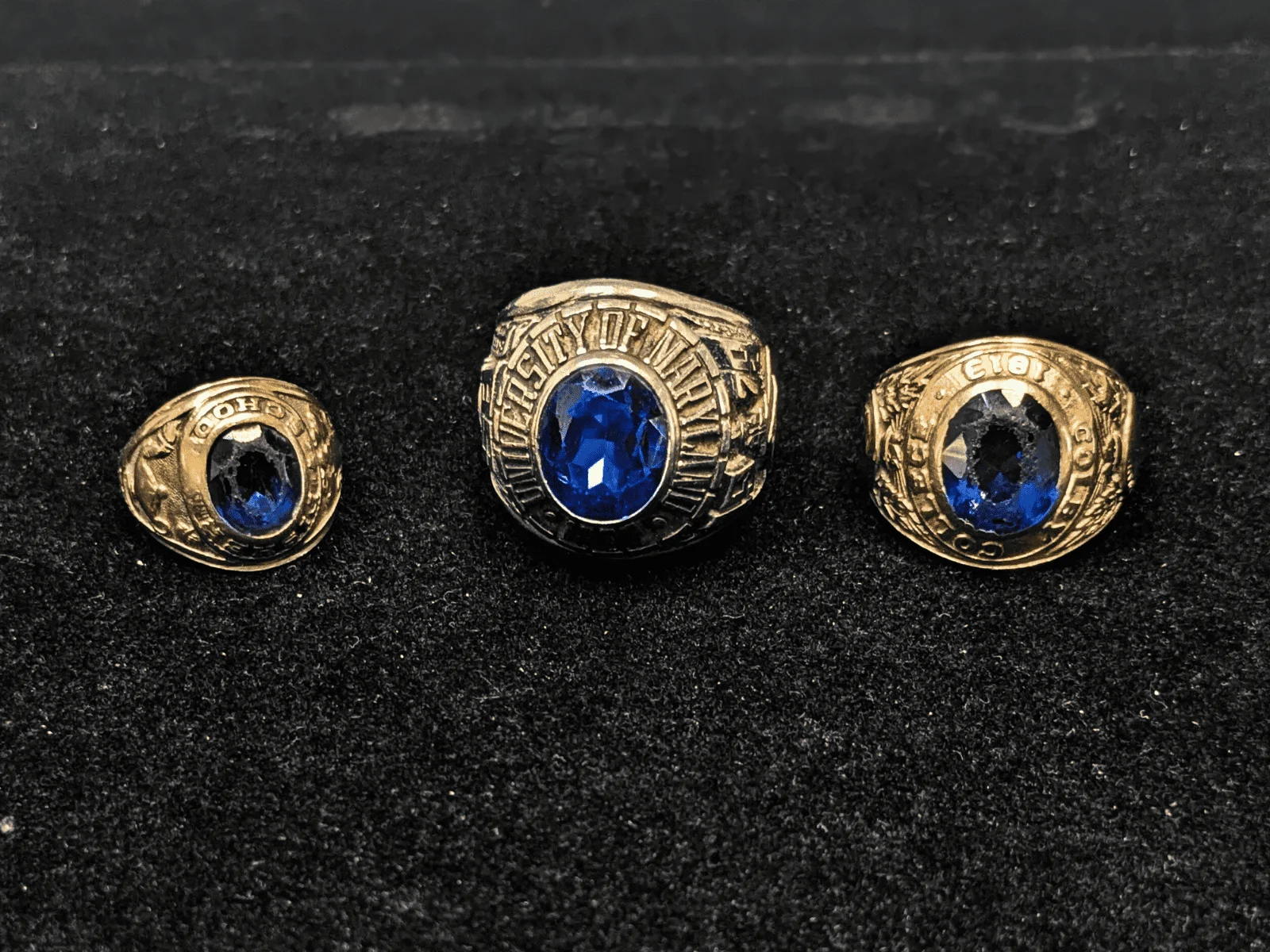
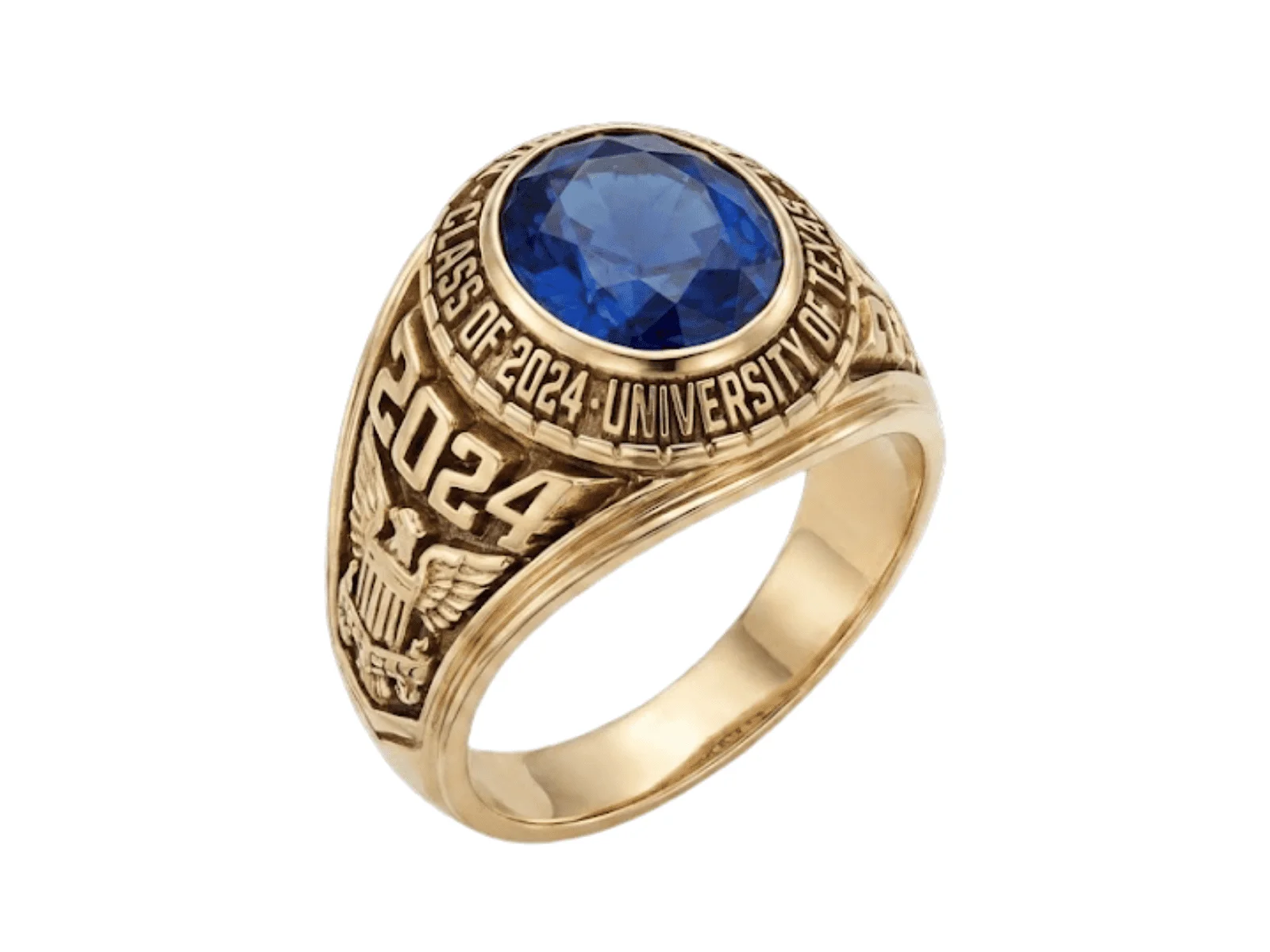
Class rings are commemorative pieces of jewelry that became popular in the mid-20th century as symbols of academic achievement and school pride. Students wore them to show belonging to a specific graduating class and institution.
Companies like Jostens manufactured most of these rings, typically using solid gold alloys such as 10K, 14K, or 18K gold. The durable construction meant the rings could last for decades. This quality reflected the expectation that graduates would keep and wear these pieces throughout their lives.
Are Class Rings Real Gold?

Many class rings contain real gold, with 10K and 14K being the most popular options. But not every ring labeled “gold” contains solid gold. Lower-cost options often use gold plating or gold filling, a thin layer of gold over a base metal. These look similar but hold far less resale value.
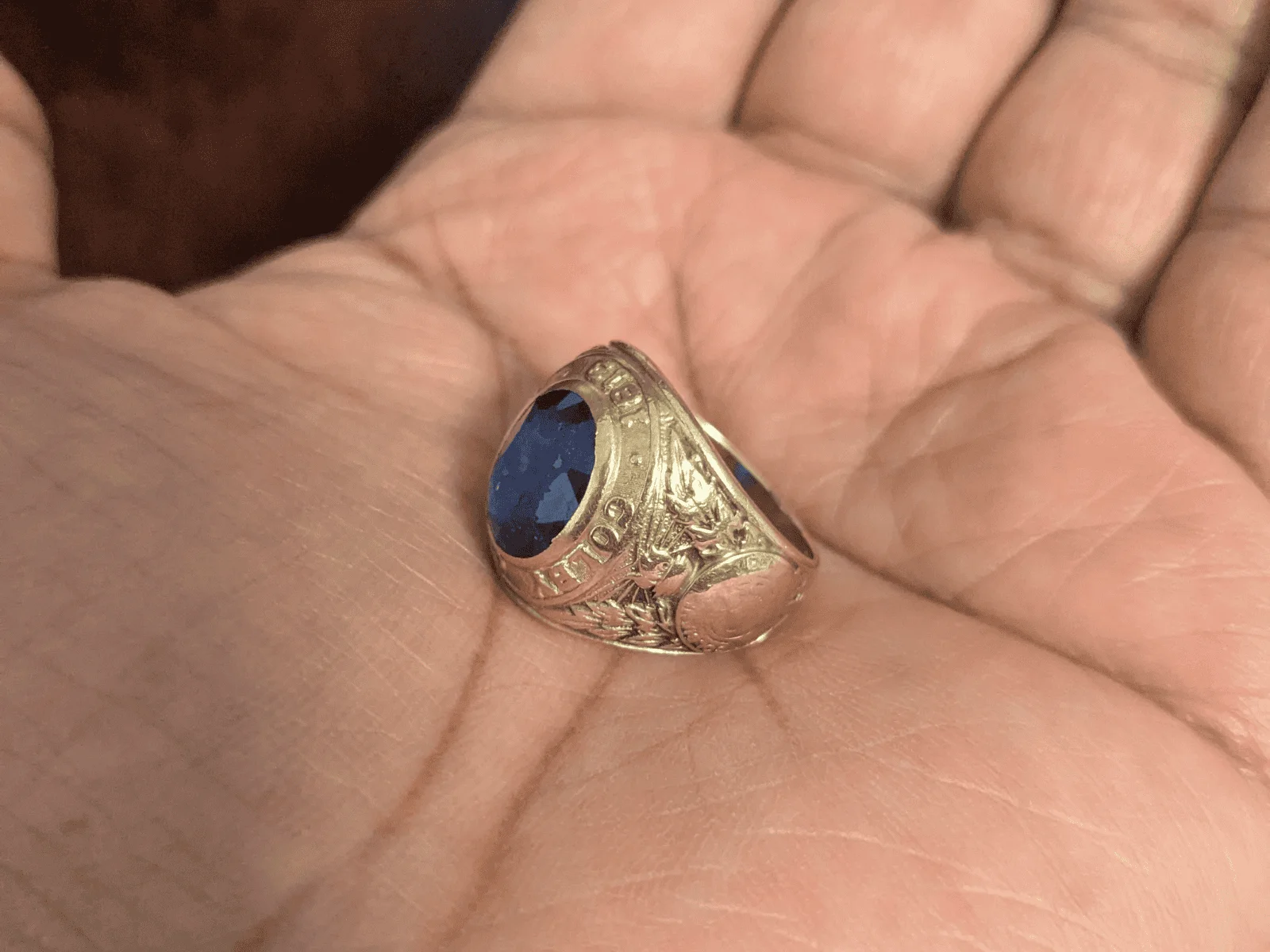
The inside of the band usually reveals what the ring contains. Look for stamps like “10K,” “14K,” or three-digit codes such as “417” or “585” that indicate solid gold. Rings made before the 1980s are more likely to be solid gold, as manufacturers shifted to cheaper materials when gold prices climbed.
What Are Class Rings Made Out Of?
Manufacturers use these materials to make class rings:
- 10K gold: The most common option for durability and affordability
- 14K gold: Higher purity with a richer color and greater value
- Lesser metal alloys: Stainless steel blends or silver-based alloys for budget options
- Synthetic stones: Glass, cubic zirconia, or spinel set in the center
Stones, engravings, and school logos add minimal to no resale value, so buyers usually deduct the stone’s weight from the total when calculating offers.
How Much Is a Class Ring Worth?
Class ring value comes down to three factors: purity (karat), weight, and gold’s spot price.
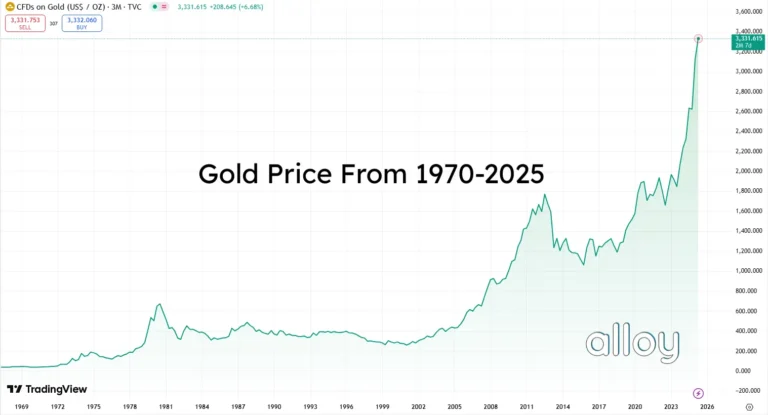
The karat tells you how pure the gold is, while the weight shows how many grams of metal the ring contains. The spot price, what gold trades for today, fluctuates with global markets.
Buyers calculate a ring’s melt value using this formula:
Melt value = Weight in grams × Purity percentage × Spot price per gram
To illustrate, a 12-gram 10K ring (41.7% pure gold) at the current spot price of $— per gram would have a melt value of $—.
How Much Is a Class Ring Worth at a Pawn Shop?

Though pawn shops buy gold class rings, their offers are lower than the actual worth. The advantage of going this route over other selling avenues is convenience; walking out with cash immediately, rather than shipping items or waiting days for appraisals.
When evaluating rings, pawn shops determine what they can recover by melting the metal since personalized engravings reduce resale value. They calculate the gold content, then build in margins to cover operating costs and profit.
What do pawn shops pay for rings?
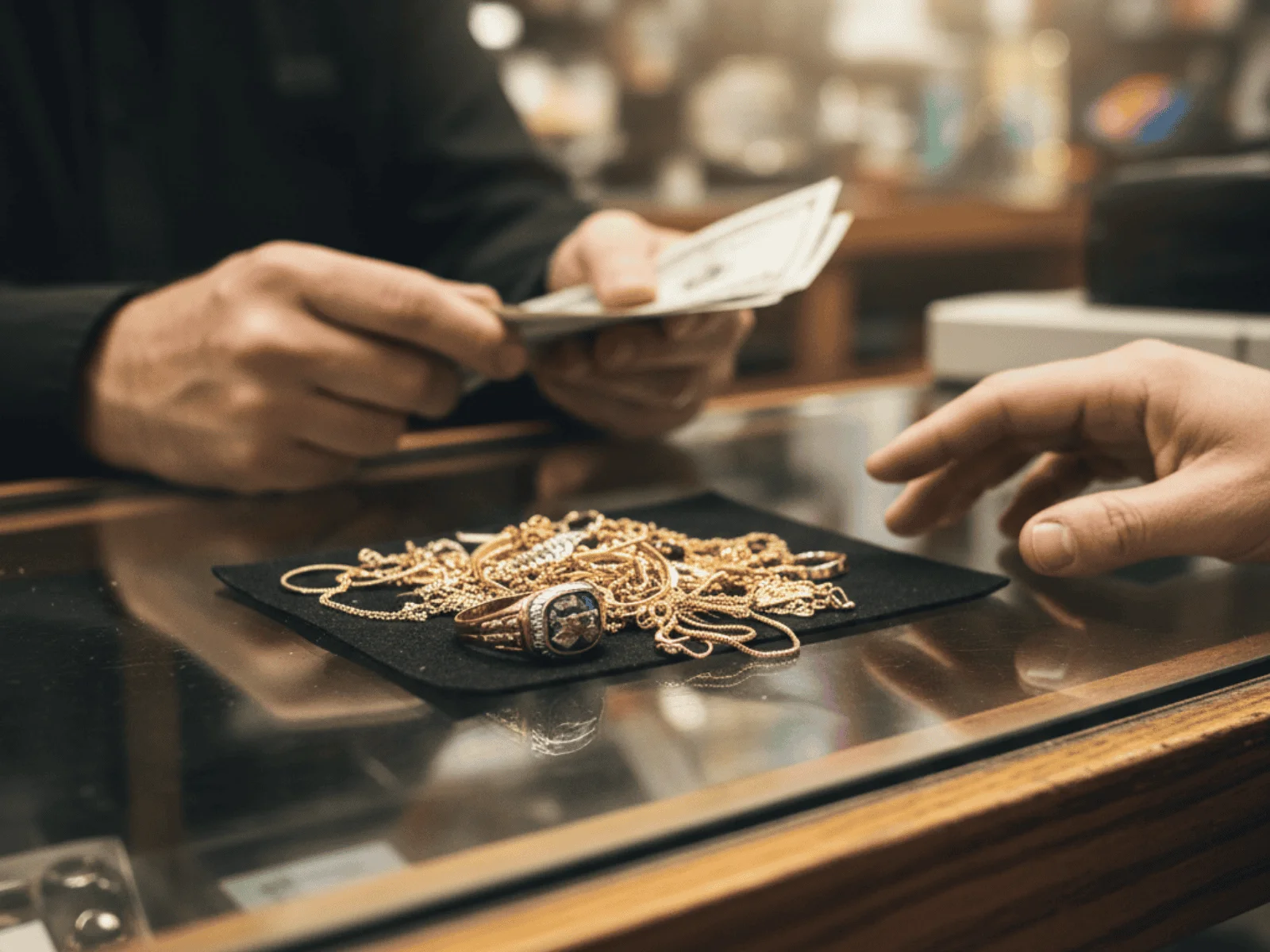
For all gold rings, including class rings, wedding bands, fashion jewelry, pawn shops generally offer 30% to 60% of the melt value. Where the offer falls in that range depends on the ring’s purity and weight. A heavy 14K ring brings in more than a light 10K ring because there’s simply more gold to extract.
Location plays a role, too. Shops with expensive rent may pay less to stay profitable, while shops in competitive areas bump up their offers to win business. Sellers who take the time to compare a few places typically get better payouts than those who accept whatever the first shop offers.
Melt Value of a 10K vs. 14K Class Ring
Melt value is the worth of a ring based on its raw metal content if melted down and sold as pure gold. This calculation doesn’t account for the design, craftsmanship, stones, or any sentimental value; it measures only what the precious metal itself is worth at current market prices.
What is the melt value of a 10K class ring?
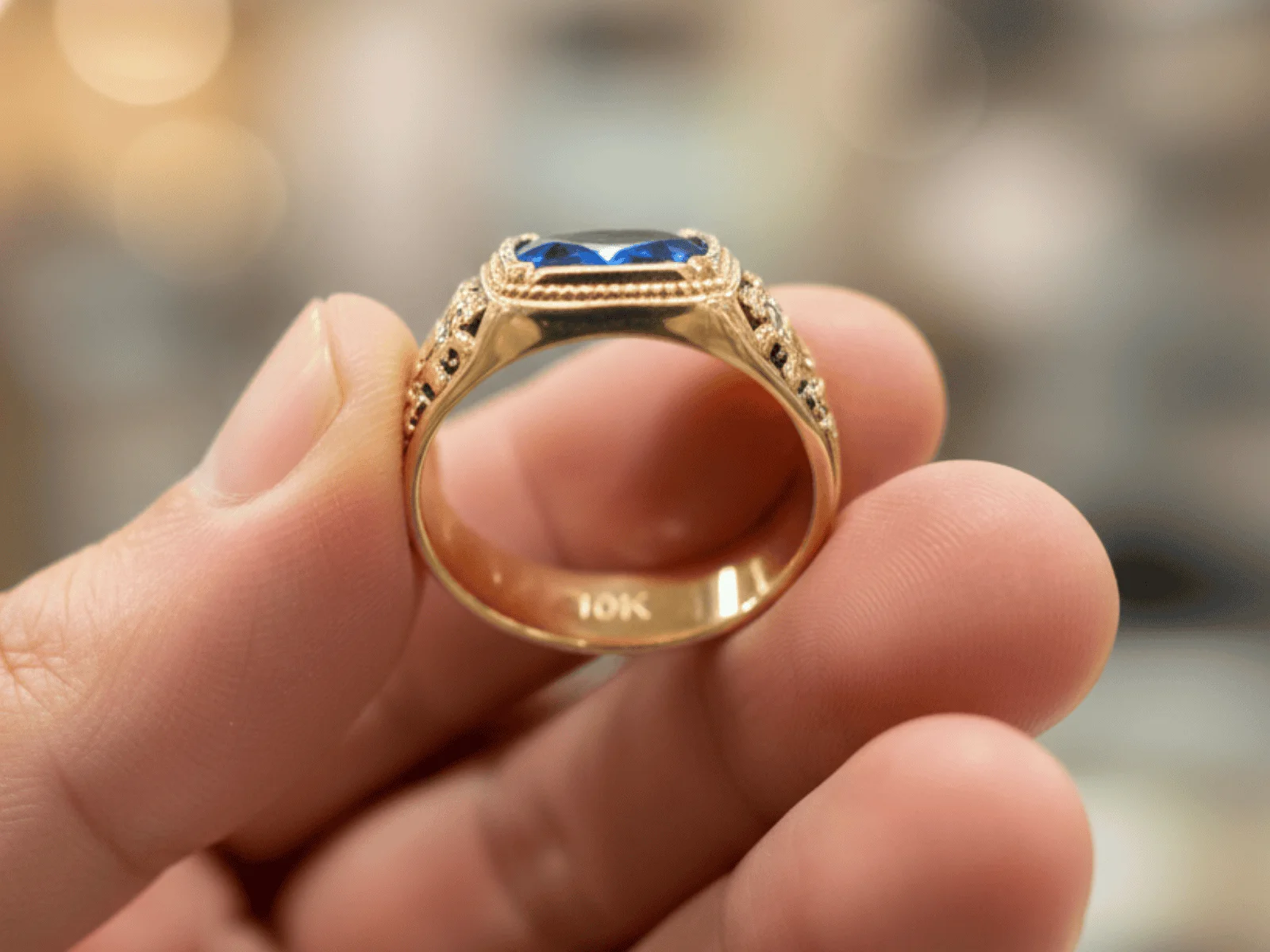
10K gold contains 41.7% pure gold and 58.3% other metals, like copper or silver.
Estimating a 10K ring’s melt value requires two pieces of information:
- The ring’s weight in grams
- Today’s spot price of gold per gram
For example, a 10-gram 10K class ring at the current spot price of $— per gram has an approximate melt value of $—. A heavier 15-gram ring at the same spot price would be worth around $—.
What is the melt value of a 14K class ring?
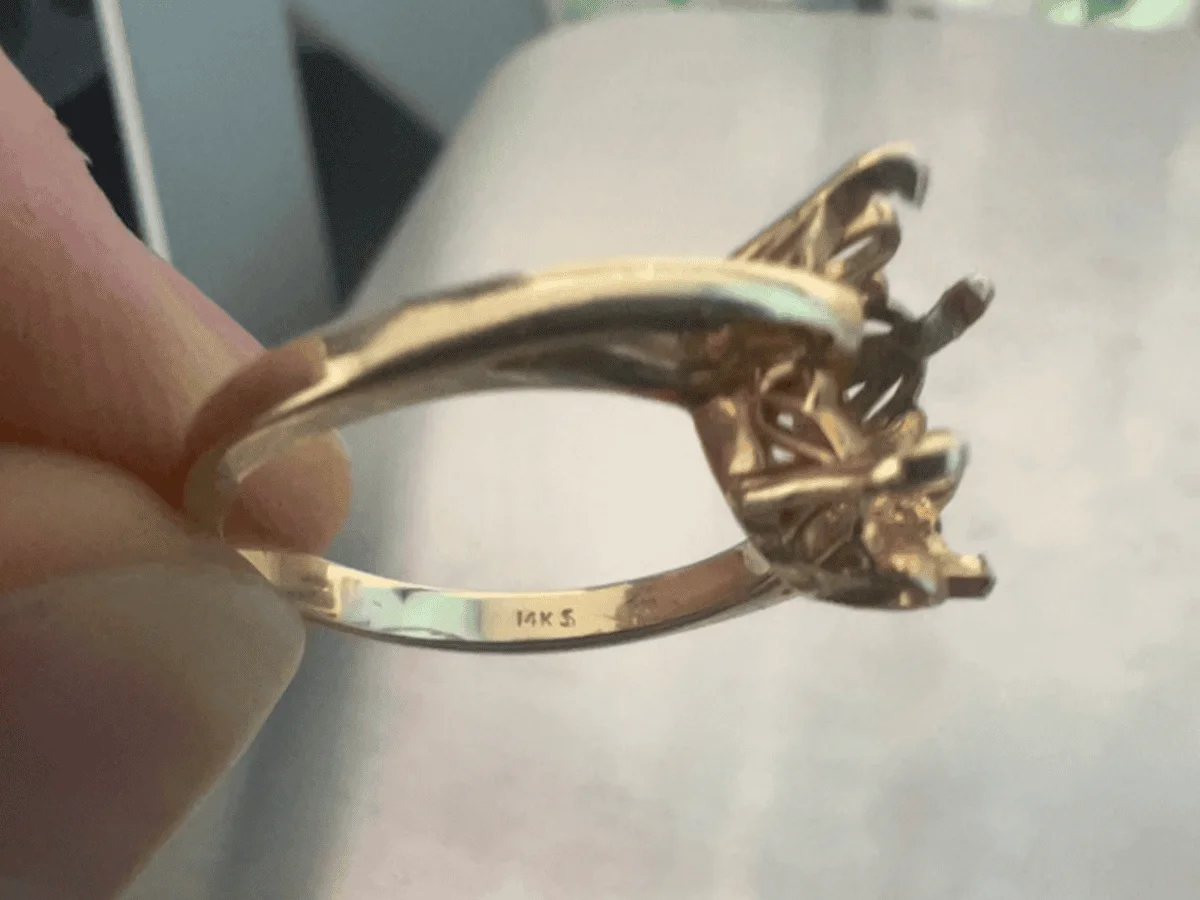
14K gold has 58.3% pure gold, making it more valuable per gram than 10K gold. Higher purity means more recoverable gold per unit weight, which translates to a higher melt value. This is why rings of identical size in different karats sell for varying amounts.
Using the same example weights, a 10-gram 14K class ring at the current spot price of $— per gram has a melt value of approximately $—. A heavier 15-gram 14K ring at the same spot price would be worth around $—.
Use a Class Ring Value Calculator
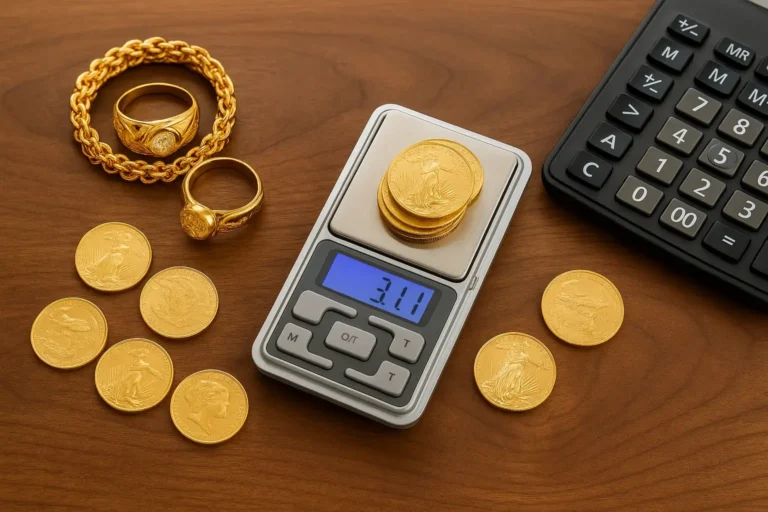
A class ring value calculator simplifies the math. Enter the karat and weight, and it estimates the gold’s value based on current market prices. This gives sellers a baseline to judge whether an offer makes sense or falls short.
Class Ring Gold Value Calculator
Note: The calculator accounts for the stone by subtracting a small percentage from the total weight, so the estimate reflects just the gold content.
Where Can You Sell a Class Ring?
Sellers have several options for offloading their class rings, each suited to different situations and priorities:
| Selling Method | Best For | Key Benefits | Considerations |
|---|---|---|---|
| Pawn Shops | Urgent situations or selling a single ring | Immediate cash with no shipping or wait time | Payouts are typically lower due to built-in margins |
| Local Gold and Jewelry Buyers | In-person transactions with professional evaluation | Payouts can be competitive depending on overhead and transparency | Research is required to find reputable and transparent buyers |
| The Alloy Market | Sellers who want strong value without negotiating in person | Market-based pricing, insured shipping, transparent valuation, and often higher payouts | Payment takes longer due to shipping and evaluation time |
Why Class Rings Often Sell Better as Part of a Larger Gold Lot
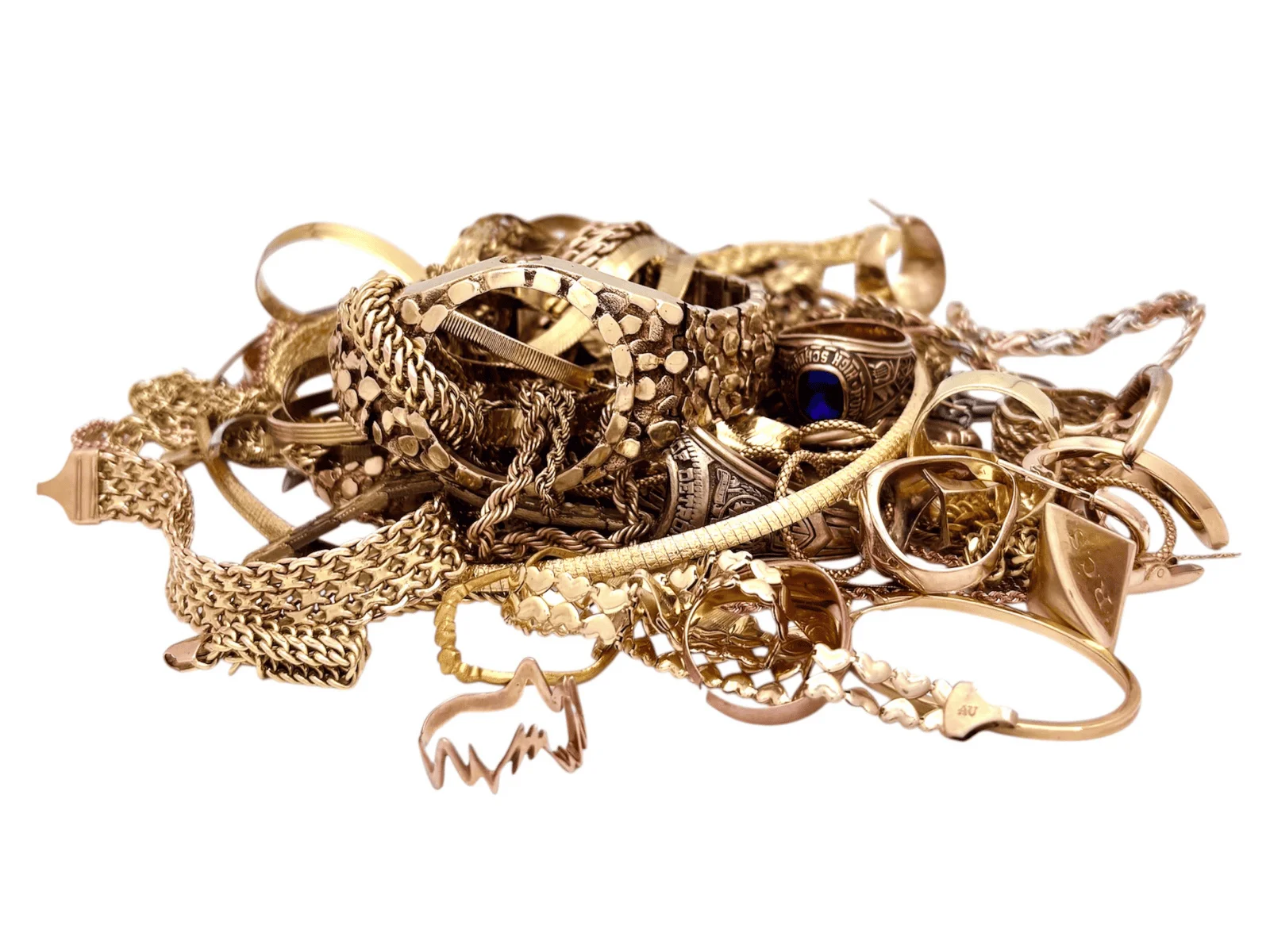
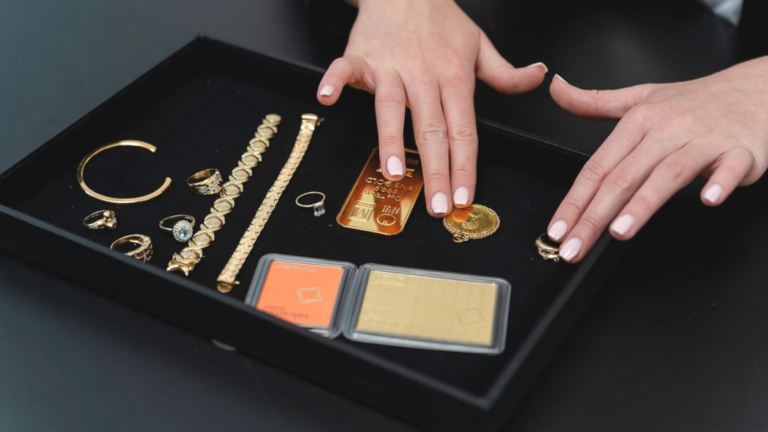
A single 10K class ring usually brings a few hundred dollars, which might not feel like much for the effort. But here’s the thing: most people have other gold sitting around that they’ve completely forgotten about. Broken chains, mismatched earrings, old bracelets, gold coins, dental gold, or rings from relatives all add up.
At The Alloy Market, combined lots average over $1,500 in payouts. A quick search through jewelry boxes often uncovers pieces worth including, and sending everything in one shipment keeps things simple while maximizing the payout.
Sell Your Class Ring with The Alloy Market
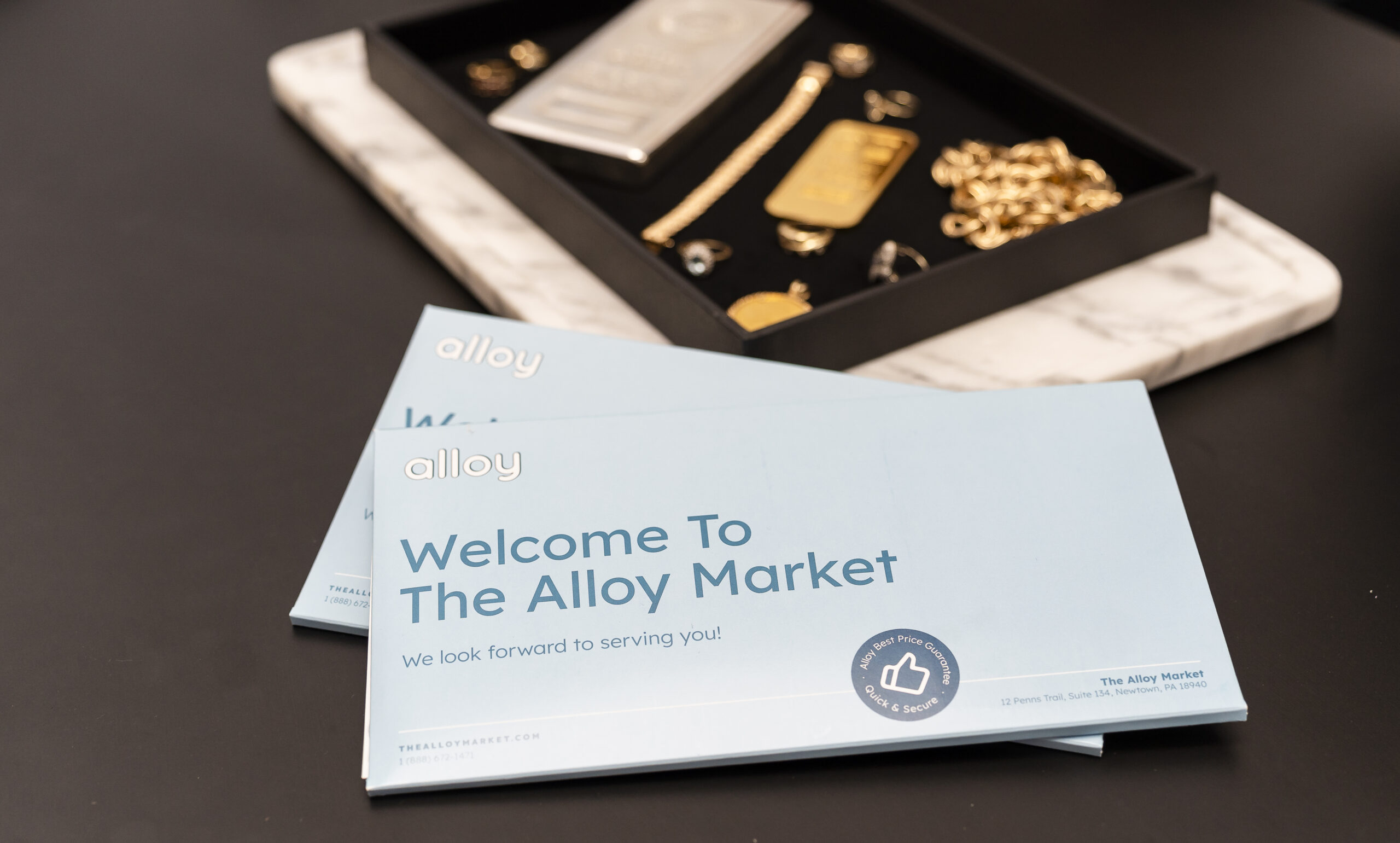
If you have a class ring collecting dust, The Alloy Market makes it easy to sell from the comfort of home (especially when combining items).
We send free insured kits right to your door, evaluate your ring using professional equipment, and provide detailed offers based on current market rates. If you agree to sell to us, we’ll initiate payment on the same business day. If you decline, we’ll get your items back to you at no cost.
Join thousands of happy sellers who’ve turned their old gold into cash this way.