
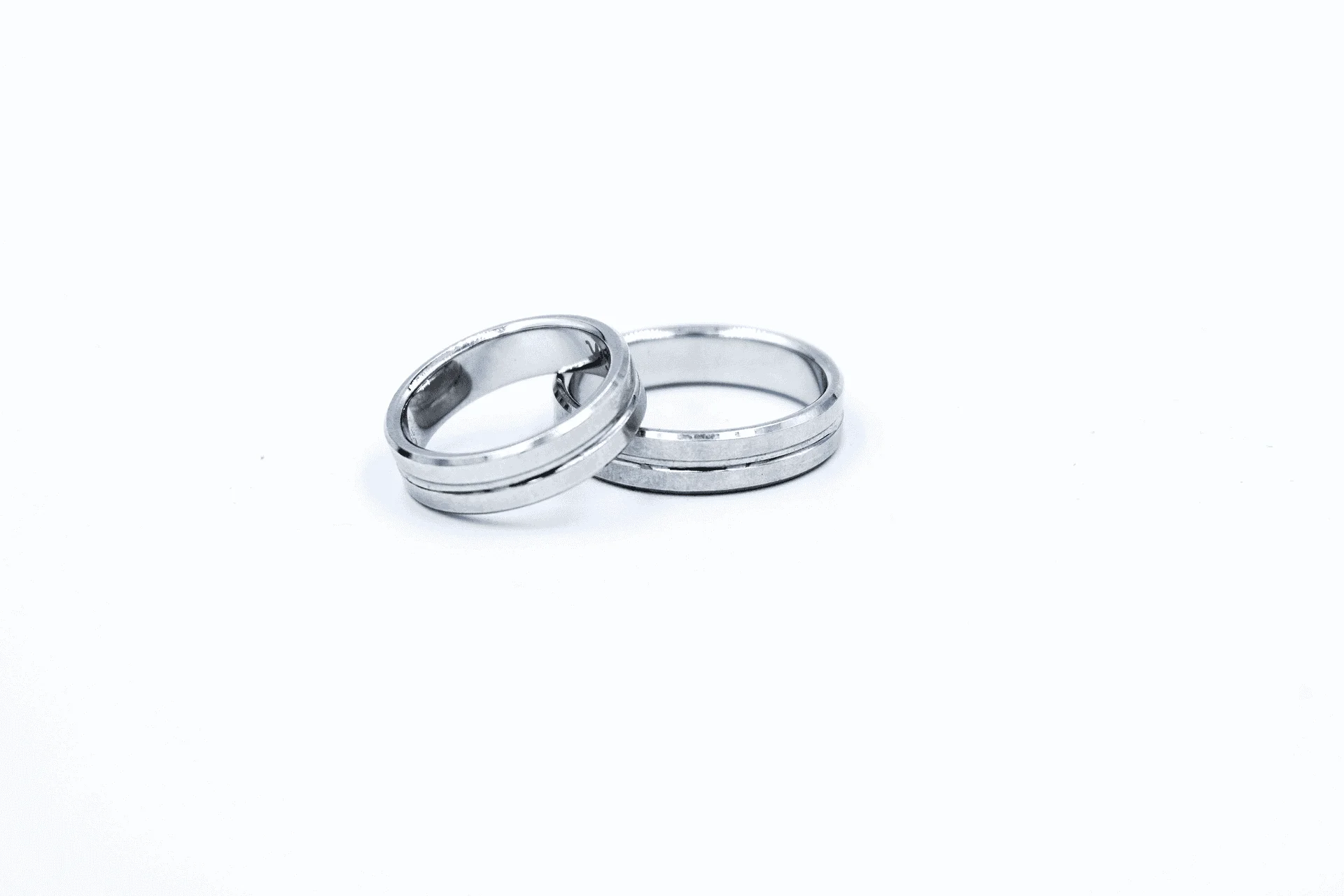
How Much Is White Gold Worth?
Gold is one of the few things in life that rarely loses its worth. White gold, with its unique alloy blend and rhodium finish, is no exception. That’s why it shows up in everything from heirlooms and forgotten jewelry to wedding bands.
But when the time comes to sell, the real question isn’t about whether gold is valuable. It’s “how much is white gold worth?” and how much you can get for it. In this article, we’ll break down how much white gold is worth and share practical tips to help you sell smart.
White Gold Calculator
Estimated prices by jewelry type
Here are example price estimates for common white gold items based on the live spot price of gold.
| Gold Item | Karat | Weight (g) | Live-Updating Melt Value |
|---|---|---|---|
| White Gold Class Ring | 10K | 12 g | |
| 18K White Gold Ring | 18K | 5 g | |
| 14K White Gold Necklace | 14K | 20 g | |
| 14K White Gold Wedding Band | 14K | 4 g | |
| 14K White Gold Diamond Ring | 14K | 4 g | * |
For the following examples, they will use an example spot price of $100.88 per gram to play on the conservative side.
White gold class ring
A typical white gold class ring usually weighs between 10 and 15 grams. Manufacturers make most class rings from 10K or 14K white gold.

Let’s assume a 12-gram 10K white gold class ring as a working example. At the estimated spot price of $100.88 per gram, the melt value calculation would look like this:
12 grams × 41.7% gold content × $100.88 per gram = $503.11 melt value
18K white gold ring

An 18K white gold ring often weighs between 3 and 7 grams, depending on its design and thickness. Let’s use a 5-gram 18K white gold ring as a realistic example. With a gold purity of 75% and a spot price of $100.88 per gram, here’s how the melt value works out:
5 grams × 75% gold content × $100.88 per gram = $378.30 melt value
14K white gold necklace
A typical 14K white gold necklace can weigh anywhere from 10 to 30 grams, depending on its style and length. For this example, let’s use a 20-gram 14K white gold necklace, which is an average weight for a medium-length chain.
With a purity of 58.5% gold content and a spot price of $100.88 per gram, here’s how the melt value works out:
20 grams × 58.5% gold content × $100.88 per gram = $1,180.40 melt value
White gold wedding band
White gold wedding bands often weigh between 3 and 7 grams, depending on the style and thickness. Let’s take a 4-gram 14K white gold wedding band as a common example. With 58.5% gold content and a spot price of $100.88 per gram, here’s how to calculate the melt value:
4 grams × 58.5% gold content × $100.88 per gram = $236.08 melt value
White gold diamond ring
A white gold diamond ring has two sources of value: the gold itself and the diamond.

Using the same conditions as above, a 4-gram 14K white gold diamond ring would be worth $236.08 based on gold content.
The diamond’s value depends on factors such as carat weight, cut, clarity, and color. For the best possible offer, have the diamond appraised by a professional jeweler.

Sell your white gold without the hassle
Request a free Alloy Kit, ship from home, and receive a same-day offer after evaluation. We’ll meet or beat any competitor’s offer up to 95% of the melt value.
Sell your white gold without the hassle
Request a free Alloy Kit, ship from home, and receive a same-day offer after evaluation. We’ll meet or beat any competitor’s offer up to 95% of the melt value.
Differences Between Yellow Gold and White Gold Value
Is white gold more valuable than yellow gold? No, at least not when you look purely at gold content. As long as both have the same karat and weight, the melt values of both white gold and yellow gold remain equal.

But if that’s the case, why is white gold sometimes priced higher than yellow gold in retail stores? Here are three reasons that explain this difference:
- Cost of Materials and Production: White gold requires blending pure gold with more expensive white metals such as palladium or nickel. Additionally, most white gold jewelry is plated with rhodium, a rare and costly metal.
- Modern Appeal and Market Trends: White gold is sleek and neutral-looking. These characteristics make it a perfect match for contemporary, minimalist styles. Its popularity in engagement rings and fine jewelry drives its high demand.
- Target Market Preferences: Some jewelers price white gold higher to target a specific demographic. An article by Newsweek noted that white gold remains particularly popular among millennials. Conversely, Gen Z buyers tend to prefer yellow gold or alternative metals.
While traditional and white gold have many similarities, they also have differences. Here is a comparison table that highlights their key distinctions.
| Feature | White Gold | Yellow Gold |
|---|---|---|
| Composition | Pure gold mixed with white metals + rhodium plating | Pure gold mixed with copper and zinc |
| Color | Bright white | Natural warm yellow |
| Durability | Generally more scratch-resistant due to rhodium plating | Softer and scratches more easily |
| Hypoallergenic | May cause allergies, due to nickel content | Generally hypoallergenic |
| Retail Price | Often slightly higher due to production costs | Usually lower in retail price |
| Maintenance | Requires rhodium re-plating every few years to maintain appearance | Minimal upkeep needed |
| Popularity | Preferred in modern and minimalist designs | Timeless classic, favored for vintage |
Downsides of White Gold
White gold is a popular choice among many buyers due to its modern appearance and versatility. However, it does come with a few drawbacks that every owner should be aware of. Anyone looking to sell should also take note.
- Rhodium Plating Wears Off: White gold’s bright shine is achieved through rhodium plating. This plating fades over time with wear. Due to this wearing, white gold will need replating every couple of years.
- Higher Maintenance Costs: Constantly replating white gold becomes costly over time. This maintenance is not something required of yellow gold.
- Nickel Content May Cause Allergies: Some white gold alloys contain nickel, which can trigger allergies in sensitive individuals. For individuals with sensitive skin, this is a crucial consideration before purchasing or selling.
How to Tell If Your White Gold Is Real
While a visual inspection may be sufficient for other types of gold, it’s less reliable for white gold. Rhodium plating can complicate visual confirmation. For a more detailed explanation, read ‘How to Tell if Your Gold Is Real.’ For now, here are some quick tips based on the article’s coverage.

- Look for Hallmark Stamps: Most real gold jewelry carries a hallmark stamp. Look on the inside of rings or clasps to locate it. Common marks include “10K,” “14K,” or “18K.” No hallmark doesn’t always mean fake, but it’s a suspect sign that warrants a closer look.
- Try Simple At-Home Tests: Use a magnet to test gold, as it isn’t magnetic. If jewelry sticks, it’s likely not real gold. There are also acid testing kits available for purchase. Use these kits with care, as they can damage the piece if not used properly.
- Consider a Professional Test: Jewelers and gold buyers use professional tools to detect gold purity. An XRF analyzer or acid testing kits provide more reliable results than at-home tests. These methods are the most accurate way to confirm if white gold is real.
How to Sell Your White Gold Items
White gold jewelry often sits unworn for years, but its value doesn’t fade. Turning it into cash isn’t wasteful; it’s simply giving it a new purpose. Whether it funds a trip, a remodel, or a new piece someone will actually wear, gold can be a valuable asset for the seller.
When someone wants to get the best possible price for white gold, it pays to know their options. This article provides a more detailed coverage of this topic, but here’s a brief overview of the essentials.

Sell where you’ll get the most payout
In general, there are three common types of buyers to sell to:
- Specialized Gold Buyers: Take The Alloy Market, for example. We often offer payouts as high as 90% of your gold’s melt value – one of the highest in the market today. Request our free evaluation kit, and we’ll send your same-day payout once you accept our offer. For pieces eligible for resale, Alloy offers a Double Pay option, where sellers receive an initial payout and automatically earn 25% of the profit if their item resells, giving them the opportunity to earn more than traditional gold buyers, who only pay based on melt value.
- Jewelry Stores or Private Buyers: Branded, vintage, or intricate jewelry is more desirable to these buyers. They will consider factors such as craftsmanship, exclusivity, and brand value.
- Pawn Shops: These are a last resort for those who need fast cash. Pawn shops usually offer the lowest payouts because they price in resale risk.
Verify the buyer’s legitimacy
Conduct research to select businesses with a solid reputation and proper licenses. Check if they have Better Business Bureau (BBB) accreditation and read customer reviews. Take care to look for reviews about clear terms and upfront estimates.

Get multiple offers and compare
Don’t settle for the first quote received. Take time to shop around and ask each buyer for a clear breakdown of their offer. Ask how they calculate the payout. Get everything in writing. Doing so allows for a comparison of offers and documents, including all details of the deal.
Final Thoughts
When it comes to selling your white gold, Alloy wants to be your trusted gold buyer. Request a free Alloy Kit today. At no obligation, we will send you a free kit with a postage-paid parcel inside. Pack your items and ship them free of cost, insured, and tracked.
Upon receipt, Alloy Market will professionally assess your items and send you an offer. Once you accept your offer, we initiate payment that same day. If you don’t accept the offer, we’ll ship your items back to you at no cost. Alloy offers a highest payout guarantee; we’ll meet or beat any competitor’s offer up to 95% of the spot price. Make the most money for your gold sale today.
For jewelry with resale potential, Alloy offers a Double Pay option, where sellers receive an initial payout and automatically earn an additional 10% of the resale profit, or 25% as an Alloy Insider, if their item resells, giving them the opportunity to earn more than traditional gold buyers, who only pay based on melt value.
Join the thousands of satisfied customers who trust The Alloy Market as their go-to gold buyer and request your free kit.


