
Silver Pricing Explained: Why Volatility Is Forcing Dealers to Adjust Payouts Daily


When it comes to silver pricing, the most common way to estimate the value of a silver coin or bar is to look at the current spot price of silver. Combined with the item’s purity and weight, spot price helps determine the melt value, which many buyers and sellers use as a baseline. However, spot price is a benchmark; it does not guarantee the amount a seller will receive.
In an especially volatile market, prices can swing sharply within hours. When that happens, buyers must account for rapid price changes, processing timelines, and resale risk when setting payouts.
Due to the current volatility in the silver market, buyers across the country, including Alloy, are temporarily adjusting silver payout rates. We are making short-term adjustments to silver pricing amid extreme market volatility. Once market conditions stabilize, we fully expect to return to our regular payout schedule.
Below is a plain-English explanation of why this happens, and why many precious metal buyers change how they price silver during extreme volatility.
What “Spot Price” Actually Means in Silver Pricing
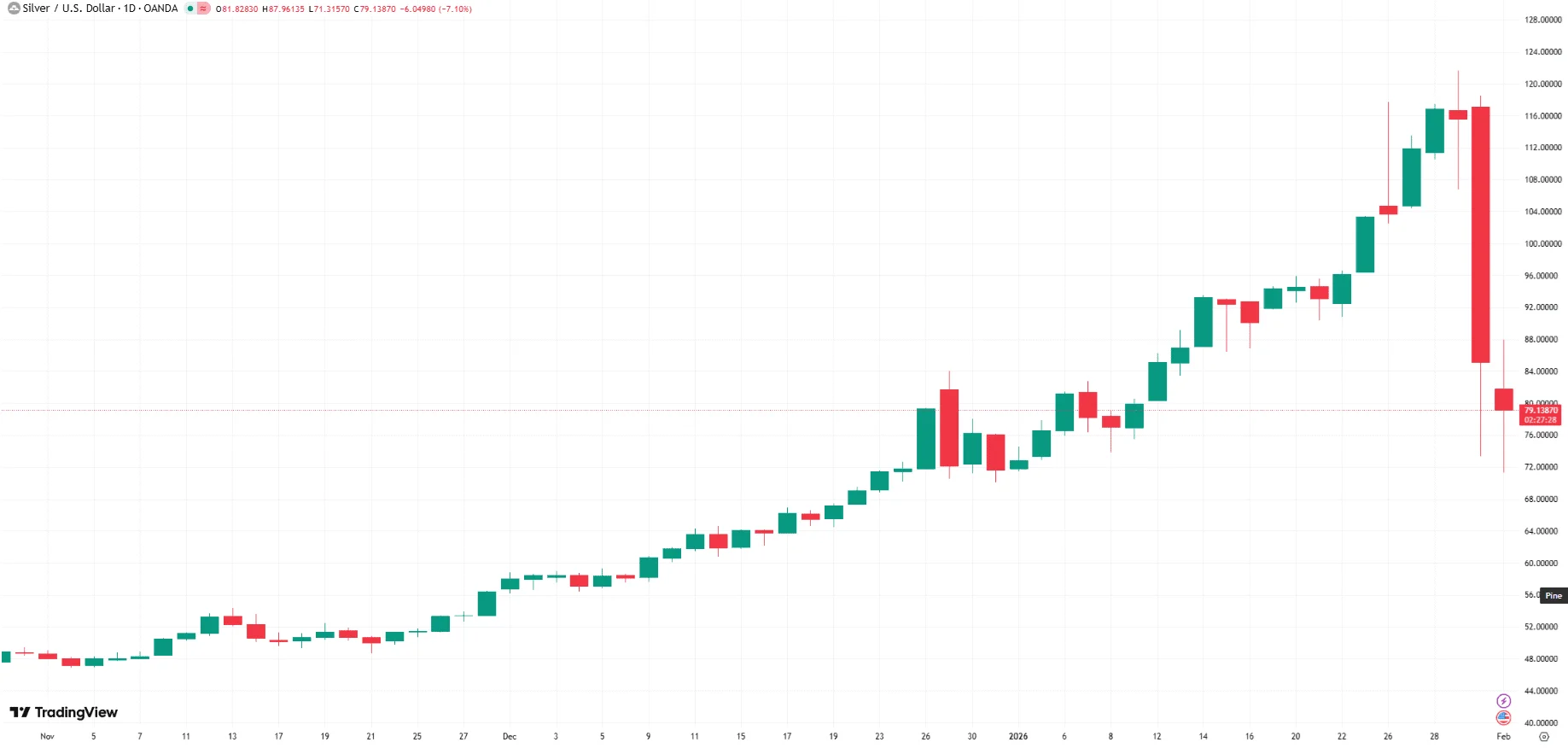
The spot price is the benchmark market price, per troy ounce, of silver. It’s the number shown on charts and in the news, and it’s mostly driven by large-scale trading. Spot price can change quickly in response to global supply and demand, as well as to factors such as interest rates, currency strength, and investor sentiment.
Think of it like the price of crude oil, not the price at the gas pump. What a seller receives can be lower (or sometimes higher) depending on the product, supply chain costs, and how fast the market is moving.
Understanding the Silver Pipeline

When someone sells silver to a dealer, whether it’s a coin shop, jewelry buyer, pawn shop, or bullion dealer, that business then has to convert that silver into cash. This is not an instantaneous process. In most cases, the dealer must move the silver upstream by selling it to a wholesaler or refiner before they can fully recycle their working capital.
This is what the flow looks like:
- Customer sells silver locally (coins, bars, jewelry, flatware, 90% silver, sterling scrap)
- Local buyer verifies the material (testing, sorting, weighing, documenting)
- Silver is shipped or transferred upstream to a wholesaler or refiner
- Refiners assay and process the material (melt, refine, recast)
- Refined silver is resold into wholesale markets, manufacturing, or minting channels
Under normal market conditions, this pipeline runs smoothly, and dealers can typically move inventory upstream without major delays. But in a volatile market, sharp price increases can trigger a surge in retail selling. When large volumes of silver enter the pipeline at once, refiners and wholesalers can become backlogged and may restrict intake or extend payout timelines, which ties up dealer working capital.
This dynamic isn’t unique to Alloy. During periods of extreme volatility, many silver buyers nationwide, including jewelers, coin shops, and other precious metal dealers, may face similar constraints as the market works through the backlog.
Why Your Payout May Be Lower Than You Expected
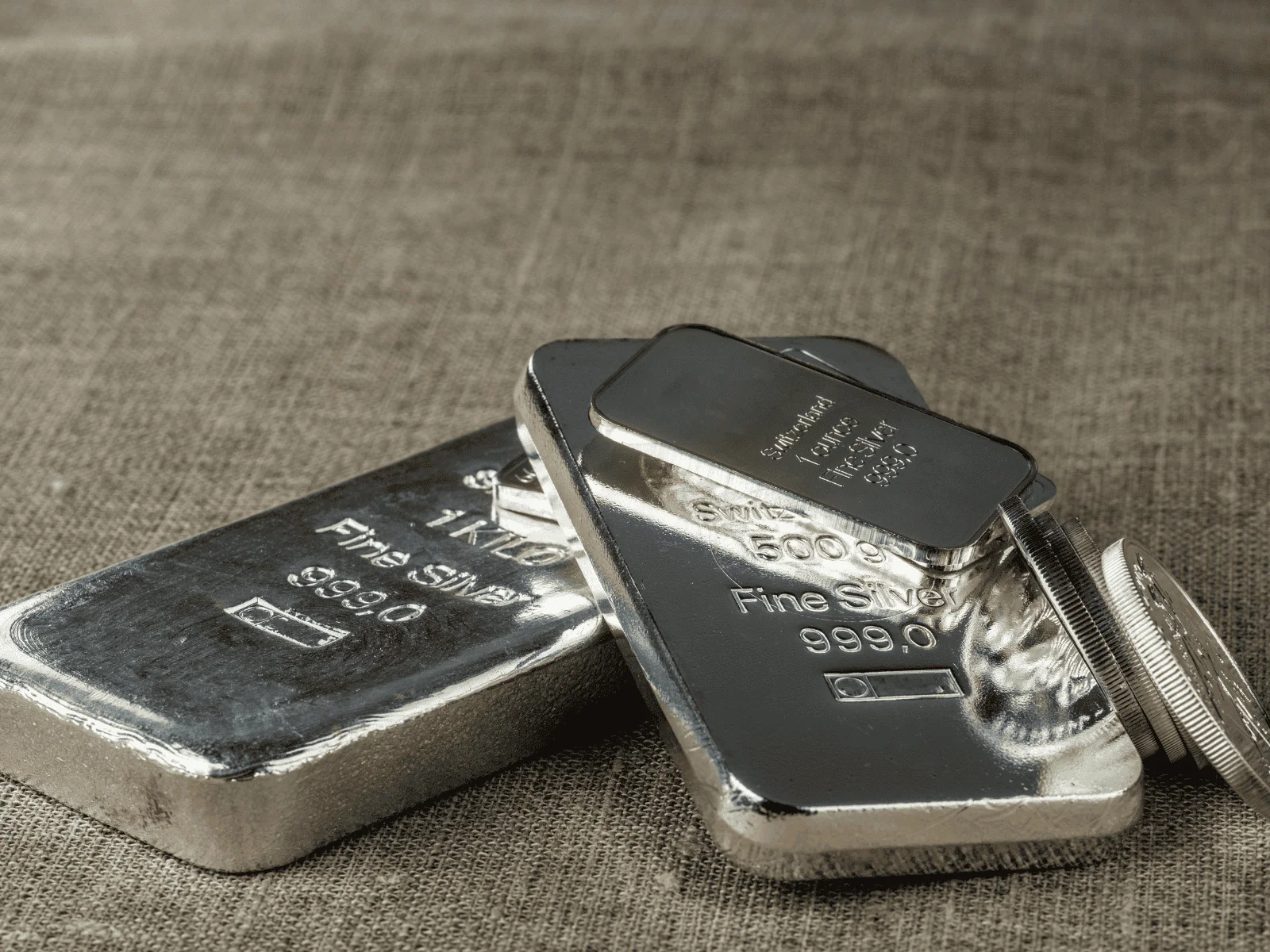
When silver prices swing sharply, the biggest challenge for buyers isn’t whether the metal has value; it’s how quickly it can be converted into cash without taking a major loss. If upstream settlement slows, dealers may be forced to hold inventory longer while prices are still rising rapidly.
That combination (delayed settlement and rapid price movement) increases risk. As a result, many buyers widen spreads, lower payouts, or temporarily limit certain types of silver purchases until the pipeline normalizes.
Why This Is Happening Right Now
Right now, the silver market is experiencing unusually fast price swings alongside elevated selling activity. When large volumes hit the physical market at once, the pipeline can back up, and settlement timelines can extend. In those conditions, lower payouts and wider spreads are common across the industry until volatility stabilizes.
What Customers Can Do

For sellers who don’t urgently need cash, waiting for the market to calm down may improve payouts. For those who want to sell now, comparing offers from various buyers can help establish a realistic sense of current pricing.
When contacting a buyer, sellers can ask a few simple questions:
- Is the offer based on the live spot price?
- What percentage of spot is being paid today?
- Is pricing locked in immediately, or can it change before payout?
- What forms of silver are currently being purchased? (bullion coins, bars, sterling, 90% coins, etc.)
It’s also important to understand that not all silver products are equally liquid. During extreme volatility, some buyers may limit purchases to bullion only, while others may continue buying a wider range of silver products, just at adjusted payout levels.
Ultimately, sellers must weigh timing against payout. If selling immediately is more important than maximizing value, a lower offer may still be acceptable. If time allows, payouts may improve as market conditions stabilize.
Final Thoughts
We understand that this market can be frustrating, especially when you’re looking to cash in on a high spot price. Unfortunately, as upstream market conditions tighten and settlement timelines extend, we may need to limit payouts to manage risk and continue serving our clients reliably.
Transparency is one of our highest priorities, so we hope this article explains why silver payouts can fall below spot during extreme volatility. We value your trust and look forward to returning to business as usual as the market stabilizes.