
Silver Volatility Widens Dealer Spreads for Sellers


Silver’s Price Spike Exposed a Physical Market Bottleneck
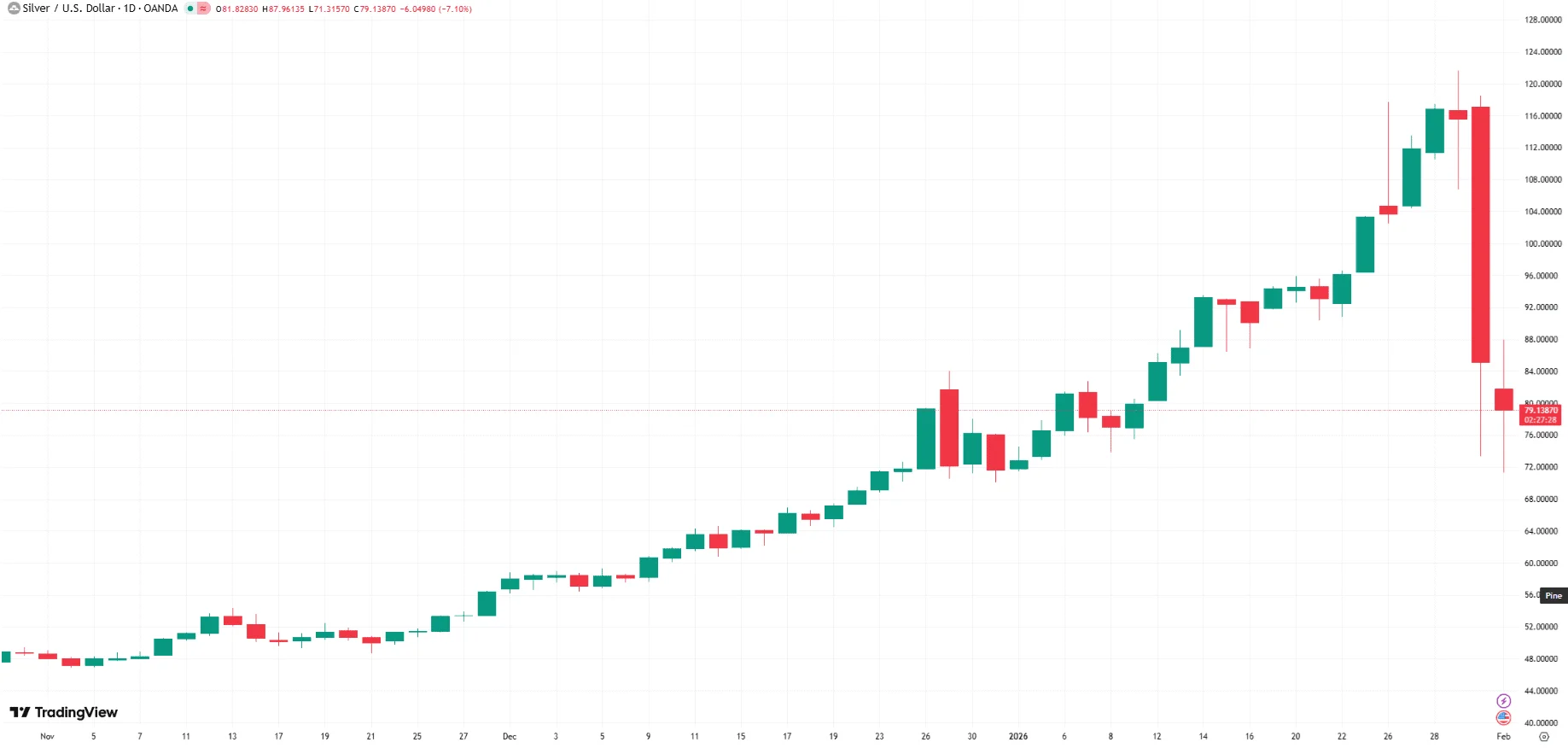
Silver prices plunged roughly 30% in a single session earlier this week (early Feb. 2026), and volatility spikes forced many dealers to widen spreads or pause buying altogether.
During the silver surge and pullback, the most glaring indicator wasn’t only the spot price but also how physical dealers reacted. Silver volatility widened spreads, reduced bids, and in some cases paused buying altogether, suggesting a liquidity and throughput bottleneck in the physical market.
What Happened This Week (Feb 4–10, 2026)
By late 2025 and early 2026, silver volatility intensified, and there were reports of silver trading in backwardation at times, a rare market state in which the current price traded higher than future prices (an inversion of the normal futures curve). This period of extreme volatility coincided with heavy retail selling activity. However, this influx quickly created temporary buying slowdowns.
Some local coin shops and dealers opted to lower bids or pause buying entirely to avoid the risk of a sudden price crash, while upstream bottlenecks compounded the pressure. Some dealers reported that refiners were operating at or near capacity, and that refiners and wholesalers were slowing intake or delaying payouts. Refiners also faced increasing financing pressure during the surge, as lease arrangements and short-term borrowing costs can become more significant when prices rise sharply.
In that environment, many small businesses paused buying, leaving them stuck with inventory they couldn’t liquidate quickly, even as spot prices remained elevated.
Spot Price vs. Real-World Payouts (The Disconnect)

Why spot price does not equal what sellers receive
Spot price is widely treated as the benchmark for silver, but it’s not a guaranteed cash bid. During the surge, many sellers received payouts that, in some cases, were far below melt value. In a market with extreme volatility, dealers may widen spreads to protect against inventory risk and short-term price reversals.
Shannon Davis of American Alternative Assets described the dynamic as a settlement inventory risk rather than a simple price disagreement:
“Dealers aren’t refusing to pay fair prices out of greed; they’re protecting against the 48–72 hour settlement lag where they could get crushed if spot drops while the metal is in transit to the refinery.”
What spreads looked like during the surge
Due to silver’s price volatility, some dealers reverted to older pricing models, using a “spot plus” pricing model rather than static unit prices. In-shop pricing reported during the surge showed multiple dealers bidding far below spot: roughly $10 to $12 under spot for silver rounds, while some stopped purchasing 90% silver and, in some cases, silver altogether. This matters most for people trying to sell silver coins, since buyback prices can vary sharply by coin type. Online dealers consistently bought back below spot, with pricing clustered in a similar range across platforms.
Joshua D. Glawson at Money Metals Exchange said volatility can overwhelm dealer operations and force pricing adjustments:
“When there is extreme market volatility… this can become overwhelming for a dealer to fulfill under the same circumstances as non-volatile periods… In order to slow demand and relieve some tension in the business, a dealer will likely decrease payouts and increase premiums.”
Why Coin Shops Slow Buying During a Rally

A dealer’s constraints are real
When silver prices spike, people may assume coin shops are in the best possible position. Demand is up, spot prices are rising, and the public is eager to sell. But not all small businesses are poised to handle the rally. In fact, it can be the most dangerous environment for them to buy in.
The reason is simple: dealers can generally continue buying only if they can convert it into cash predictably. When wholesalers and refiners slow intake, delay settlement, or stop bidding altogether, coin shops face a liquidity trap. Their capital becomes trapped in metal they can’t afford to offload quickly enough, while price risk remains high.
The inventory logjam effect
So while the public is ready to liquidate long-held precious metals at still-high prices, not all shops can accommodate them. Some dealers may simply have more silver inventory than they can absorb or finance in the short term. In a volatile market, an inability to offload inventory upstream can put businesses in a precarious position, leaving them unable to serve customers who have relied on them for years.
So while most want to continue purchasing from their clients, much of their working capital can become tied up in metal sitting in vaults, waiting for wholesale and refining channels to reopen or for capacity to normalize. As one shop put it:
“We’ve bought so much, we can’t move it. Our wholesaler is not buying.”
Is This Backwardation? What the Futures Curve Actually Showed

What backwardation means
Backwardation, in simple terms, means that the current spot price of silver is trading above future prices. This type of market pattern often signals short-term tightness or urgent delivery demand. Because silver is also a critical industrial input, including in solar and electronics manufacturing, demand for physical metal can remain elevated even during volatile pricing periods. Backwardation can appear briefly during violent market volatility.
What we can responsibly say from late 2025 / early 2026
Reports and market commentary on silver backwardation emerged as early as October 2025, fueling debate over whether near-term physical demand was outpacing available supply. However, curve signals shifted quickly as volatility intensified. By late January 2026, silver experienced a sharp one-day selloff, with prices falling roughly 30% in a single session amid heavy liquidation and ongoing physical market frictions.
TradingView snapshot takeaway (Early Feb. 2026)

While backwardation was widely discussed, early-February 2026 futures snapshots showed a more typical curve, with later contracts priced higher than near-term silver. That suggests the market was not consistently paying a premium for immediate delivery at that point. In fast-moving markets, the curve can change quickly as traders reposition and liquidity shifts.
Why Demand Can Spike, and Why Futures Don’t Always Follow
What can drive near-term demand
Many factors play into the spike in silver demand, and not all of them reflect a long-term shortage. Some are structural, while others are driven by positioning and market psychology.
- Retail buying during breakouts: As silver breaks through major price levels, retail demand often surges as investors rush to purchase bullion.
- Industrial procurement timing: Industrial buyers may adjust purchase timing and increase near-term orders based on their production cycles, contract timing, or supply concerns.
- Hedging demand: Producers, manufacturers, and funds may increase hedging activity during periods of volatility, boosting futures market demand even without immediate physical delivery.
- Short covering and momentum flows: When prices rise quickly, short sellers may be forced to cover, adding fuel to rallies driven by positioning rather than fundamentals.
These forces can compound, creating sudden demand spikes that outpace the physical supply chain’s ability to process, refine, and deliver metal.
Why futures can price lower than spot
Futures pricing isn’t a simple prediction of where silver is headed; it reflects timing, costs, and risk. Futures are usually priced above spot because holding physical metal involves carrying costs (financing, storage, and insurance), but in periods of intense near-term demand, spot can temporarily trade above later contracts.
Front-month contracts are the closest to delivery, so they tend to react first and most aggressively to short-term pressure, whether that’s a rush of retail buying, delivery urgency, or sudden liquidity shifts. Longer-dated contracts may move more slowly because they represent a broader, more average view of supply and demand. During sharp moves, forced liquidations and position unwinds can also distort near-term pricing, briefly reshaping the curve without necessarily reflecting a lasting physical shortage.
What This Means for People Selling Silver Today

What sellers should expect during volatility
In highly volatile markets, sellers should expect that immediate liquidation may be delayed or result in lower-than-expected payouts relative to spot. When dealers are forced to hold inventory amid sharp price swings, they may bid below spot, widen their spreads, or temporarily pause intake. Some shops may also impose stricter buying requirements, limiting purchases to higher-liquidity bullion products, especially when refiners or wholesalers slow intake or extend settlement timelines.
What sellers can do (to maximize payout during volatility)
For sellers looking to liquidate now and maximize their payout, it’s important to:
- Compare multiple bids: Even when overall dealer spreads widen, buyback pricing can still vary meaningfully by shop and product type.
- Ask how pricing is calculated: Is it spot minus a fixed amount, spot minus a percentage, or based on a “spot plus” model?
- Know a product’s liquidity: Buyback pricing often varies by product type. (for example, Silver Eagles vs. generic rounds vs. 90% silver vs. bars)
- Clarify payout logistics: Confirm whether pricing is locked at the time of the quote and clarify settlement timelines and payout method.
In a volatile market, transparency matters the most when prices move the fastest.
Key Takeaways
As the market reacted to heightened uncertainty, silver reached unprecedented highs and experienced sharp, fast-moving volatility. In that environment, dealers often had to adjust their purchasing models in real time, widening spreads, lowering bids, or temporarily pausing intake to manage inventory risk and protect working capital while still serving customers.
Importantly, these dealer pauses can reflect liquidity and pipeline constraints, including refining throughput, wholesaler intake limits, and settlement delays, rather than a simple lack of demand. Even in periods where backwardation was widely discussed, curve structure can shift quickly as volatility, positioning, and near-term supply chain pressure change. For sellers, the main takeaway is that spot price is a benchmark, not a guaranteed payout, and outcomes depend heavily on timing, product type, and the buyer’s ability to move inventory upstream.


