What Is Fine Gold?


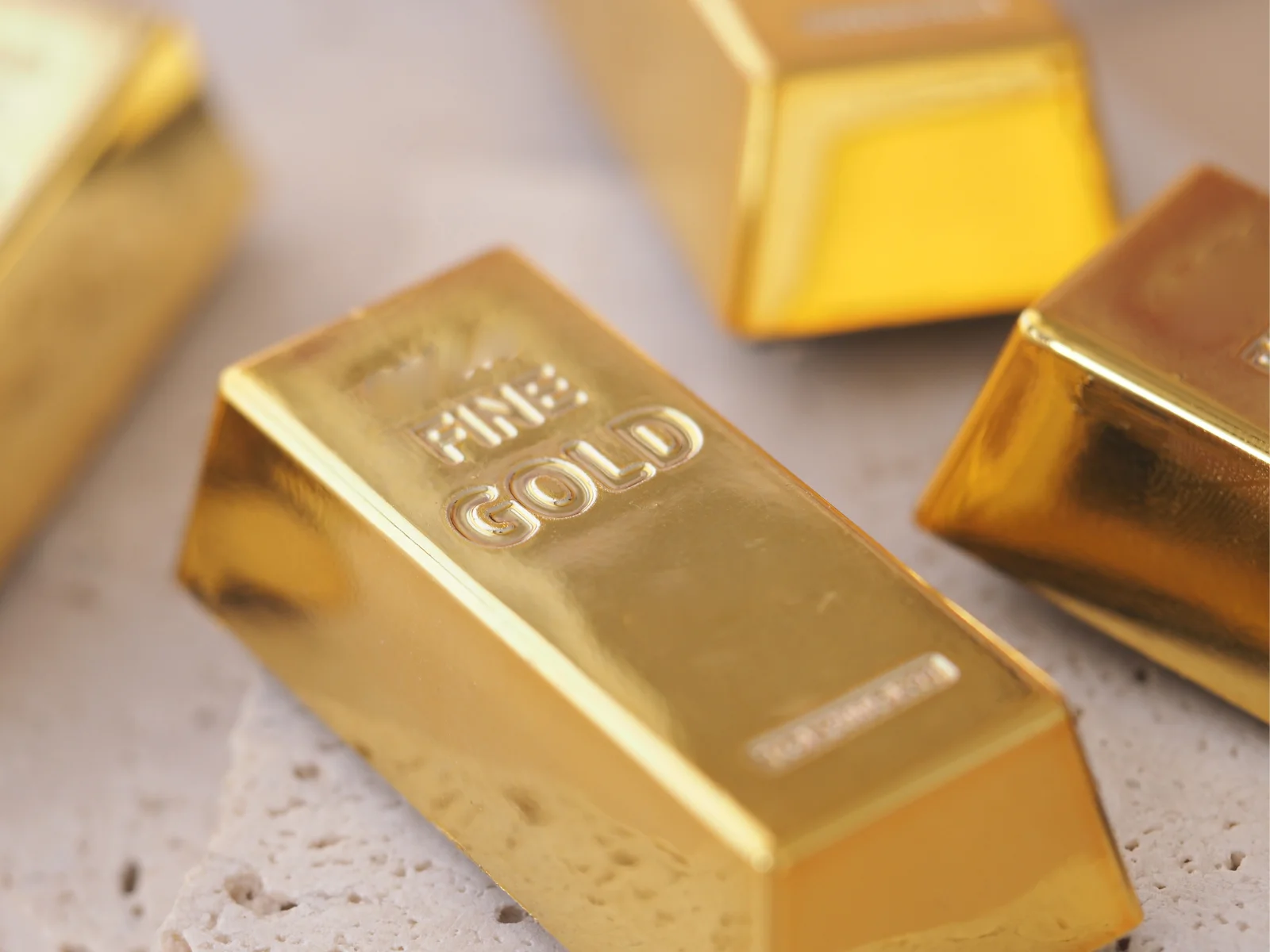
Fine gold shows up in investment coins, bullion bars, and high-end products, but the term can be confusing for those who’ve only dealt with jewelry marked in karats. What is fine gold? It refers to gold that’s 99.9% pure or higher, often stamped as 999 or 9999. Unlike alloyed gold in jewelry, fine gold has almost no other metals.
This guide explains purity levels, why fine gold is used for bullion, and its value.
In a nutshell
Fine gold is 99.9% pure or higher (999 or 9999 fineness), equivalent to 24-karat gold. It’s the standard for investment bullion but too soft for jewelry, which uses lower-karat alloys. The value closely tracks the spot price, as fine gold contains almost no other metals.
Fine Gold Meaning
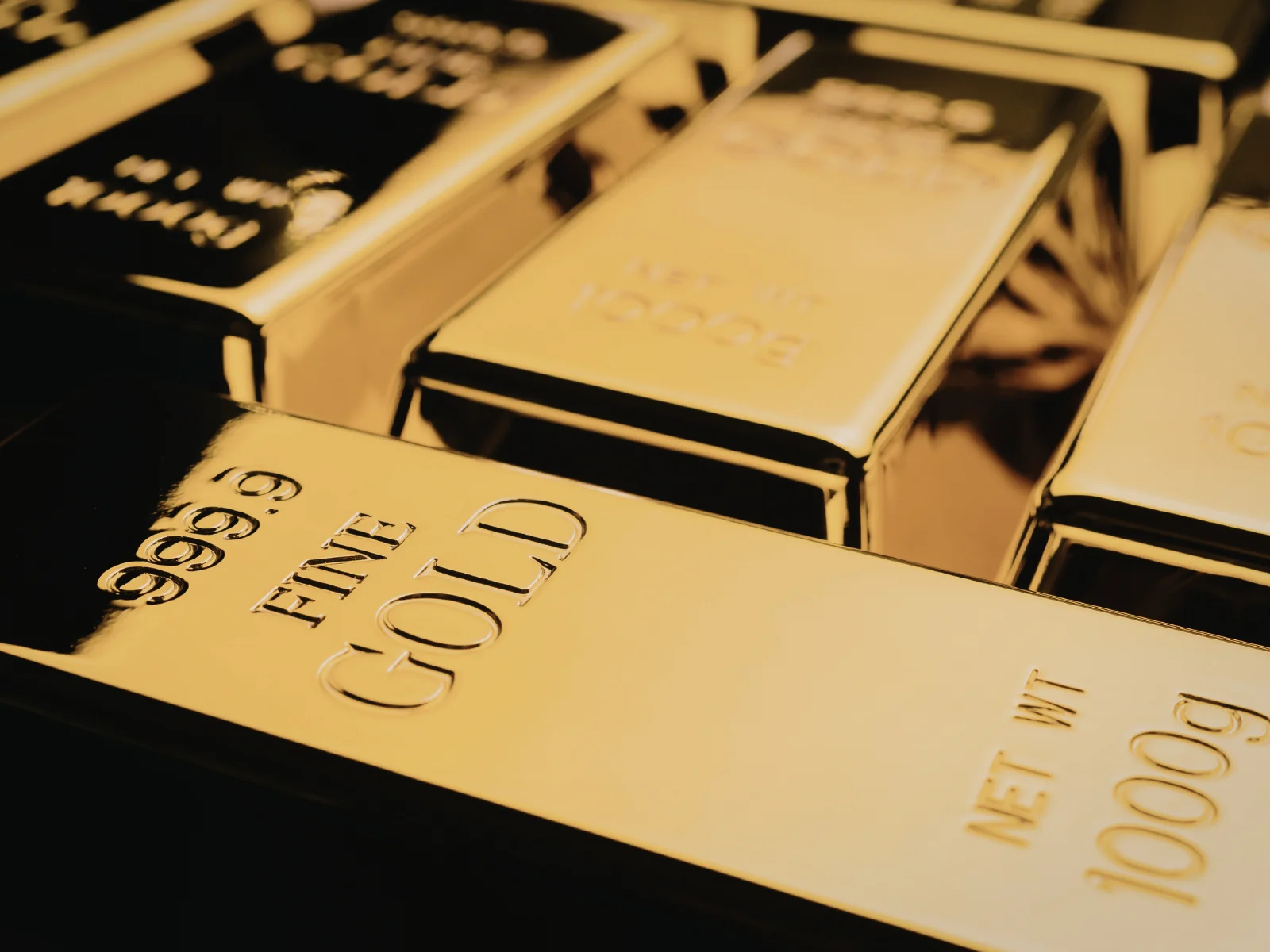
The term “fine gold” comes from the “fineness” system, a measurement standard that rates precious metals in parts per thousand.
Unlike the karat system commonly used for jewelry, fineness provides a more precise measure of purity for investment-grade bullion. This system became the global standard for trading and valuing gold bars and coins.
What Does “999 Fine Gold” Mean?
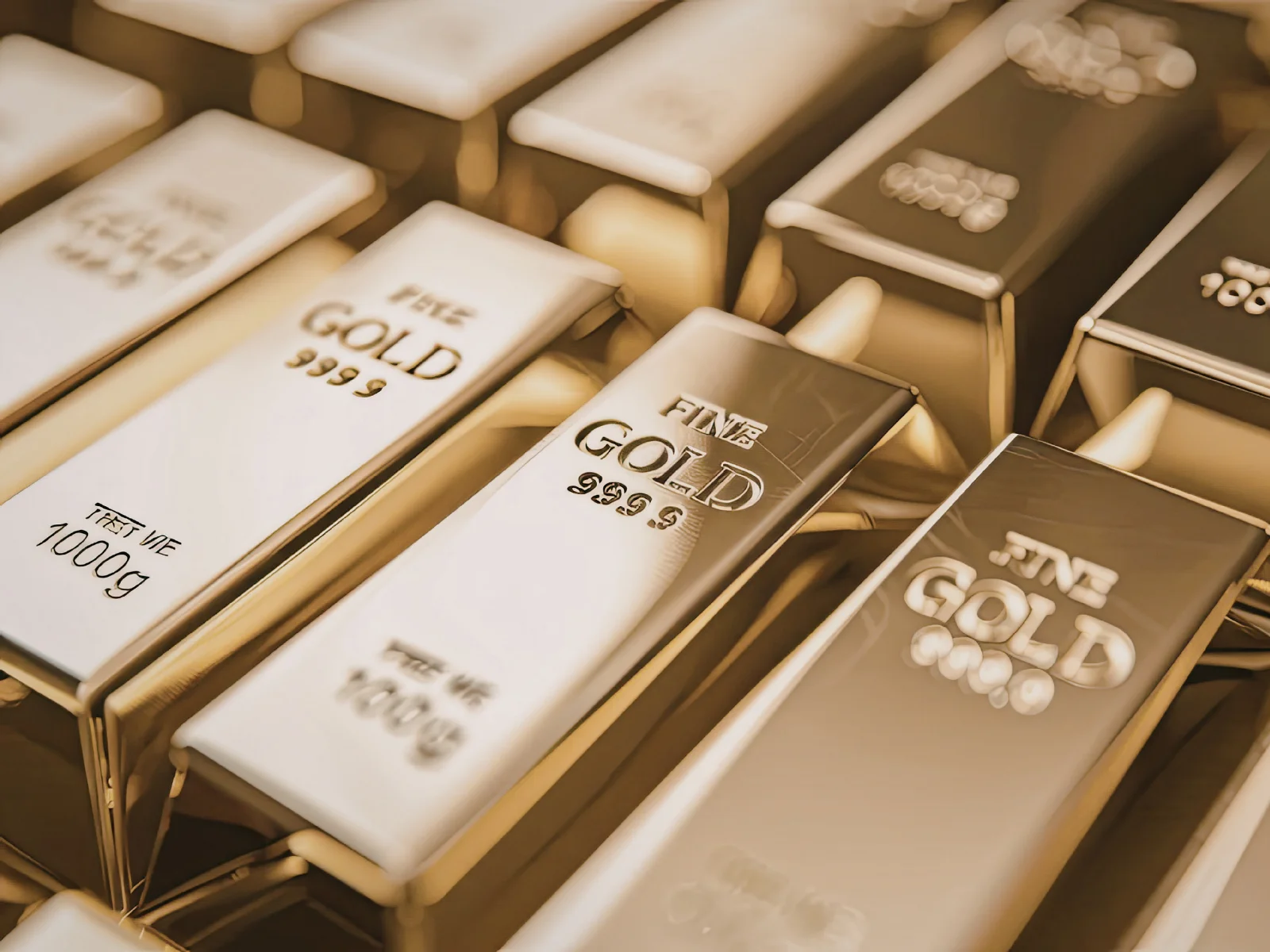
A “999” stamp indicates 99.9% purity, the most common standard for fine gold. Manufacturers might mark it as 999, .999, 999.9, or simply “FINE GOLD,” but all confirm the same purity level. The remaining 0.1% consists of trace elements that are nearly impossible to remove through refining.
What Karat Is Fine Gold?
Fine gold is 24-karat (24K) gold; both measure purity, just in different ways.
Here’s what fine gold purity looks like:
| Fineness | Karat | Purity |
| 999 | 24K | 99.9% |
| 9999 | 24K | 99.99% |
| 995 | 24K | 99.5% |
999 vs. 9999 Fine Gold: What’s the Difference?
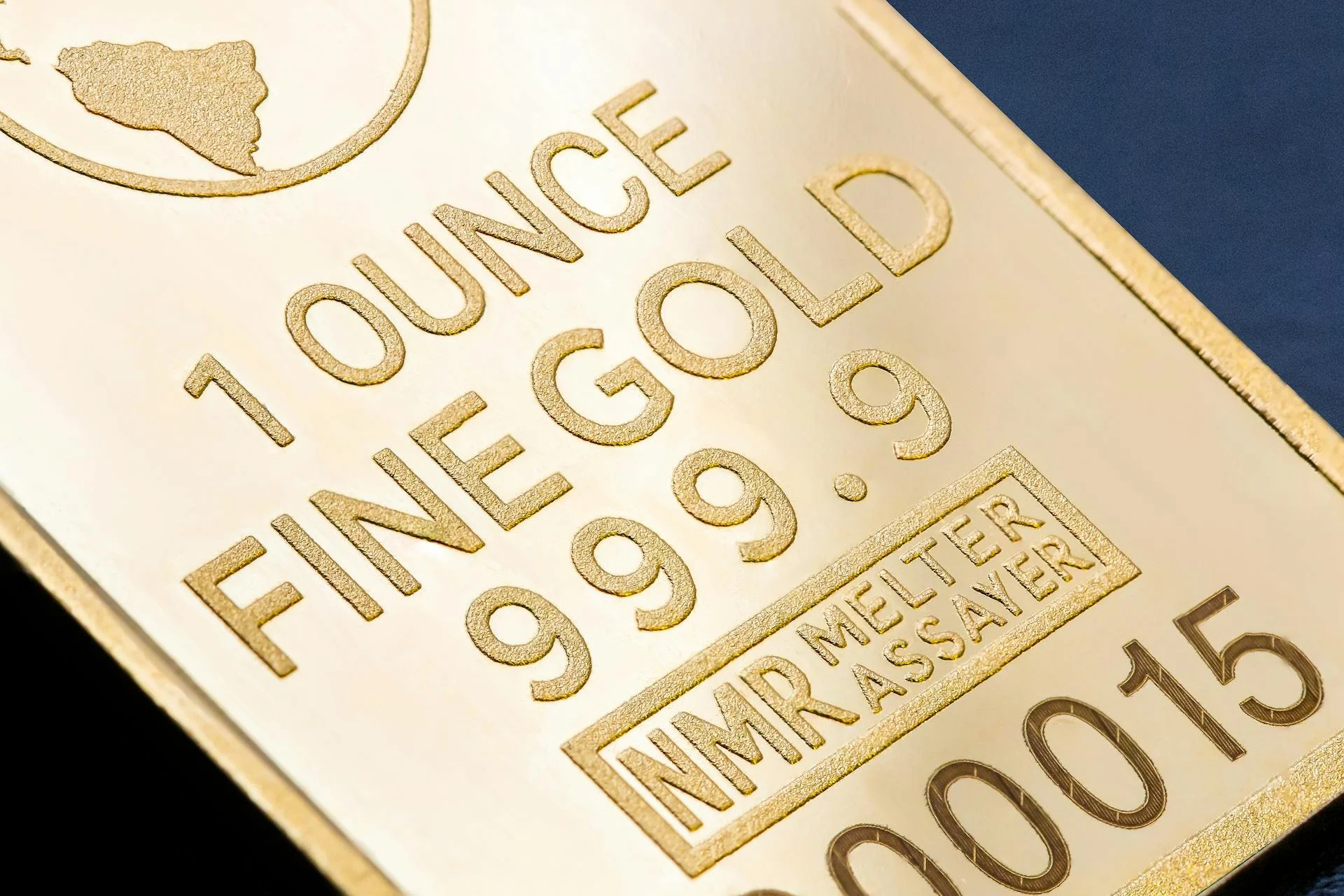
The difference between 999 and 9999 gold comes down to purity; 99.9% versus 99.99%. That extra 0.09% requires additional refining, which is why 9999 gold (sometimes called “four nines”) shows up in premium bullion products like Canadian Maple Leafs and American Buffalo coins.
From a practical standpoint, the difference in resale value is usually minimal. Both versions trade close to the spot price, and dealers treat them similarly. Some investors prefer 9999 for the “best-in-class” designation, but 999 works just as well for most people.
What is the difference between 999 and 995 gold?
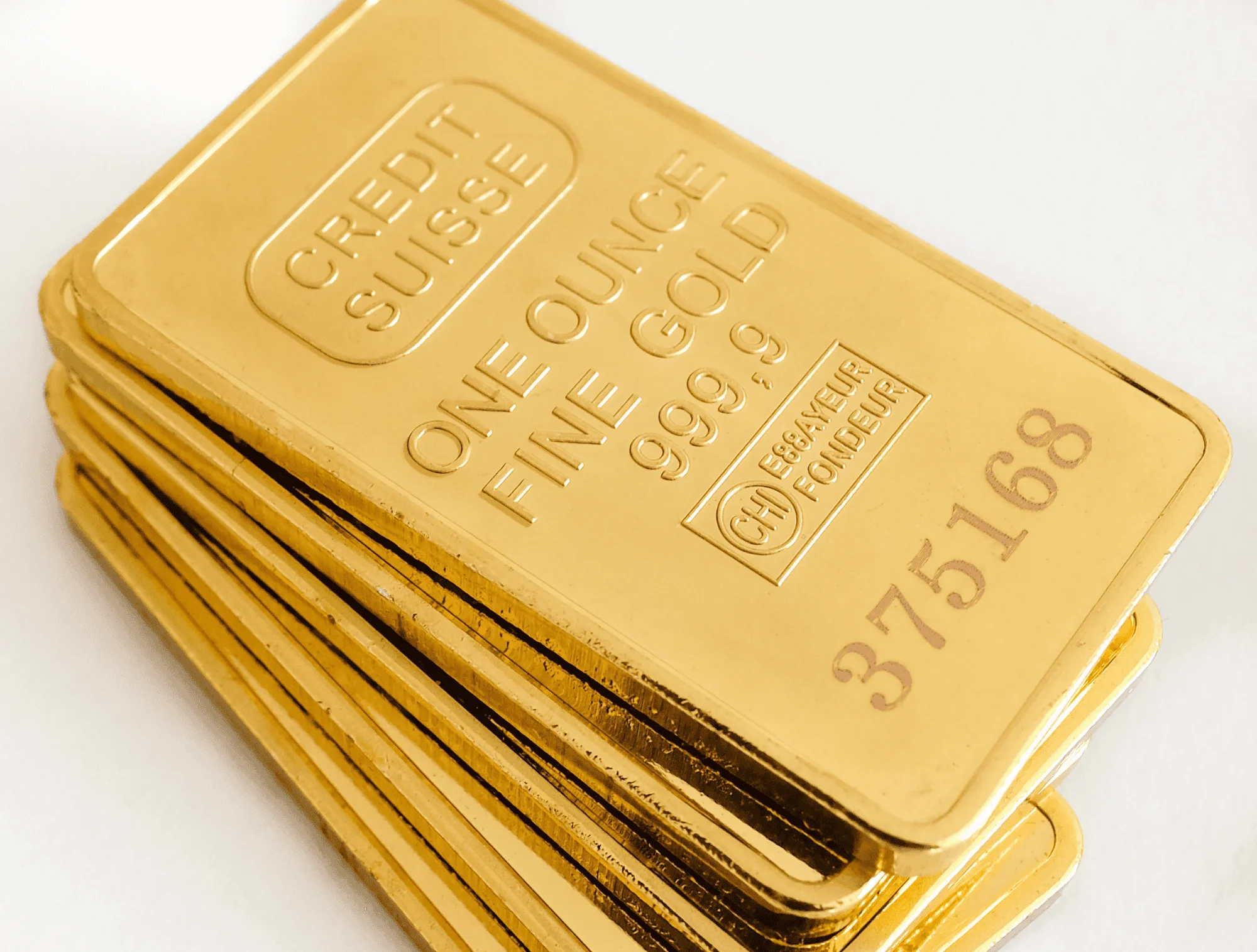
995 gold is 99.5% pure, which is slightly below the 99.9% standard. Both qualify as fine gold, but they serve different markets. Individual investors usually buy 999 gold in retail bullion products, such as coins and small bars. Large-scale traders prefer 995 gold, which is the international standard for bulk bullion.
The purity difference also creates a small price gap. 999 gold typically trades at a premium of around 0.4% over 995 internationally. The trace amounts of extra metals in 995 gold make it marginally more durable, though both are still too soft for jewelry. For most people buying or selling gold, 999 is the more familiar option.
Why Fine Gold Is Used for Bullion and Not Typically for Jewelry
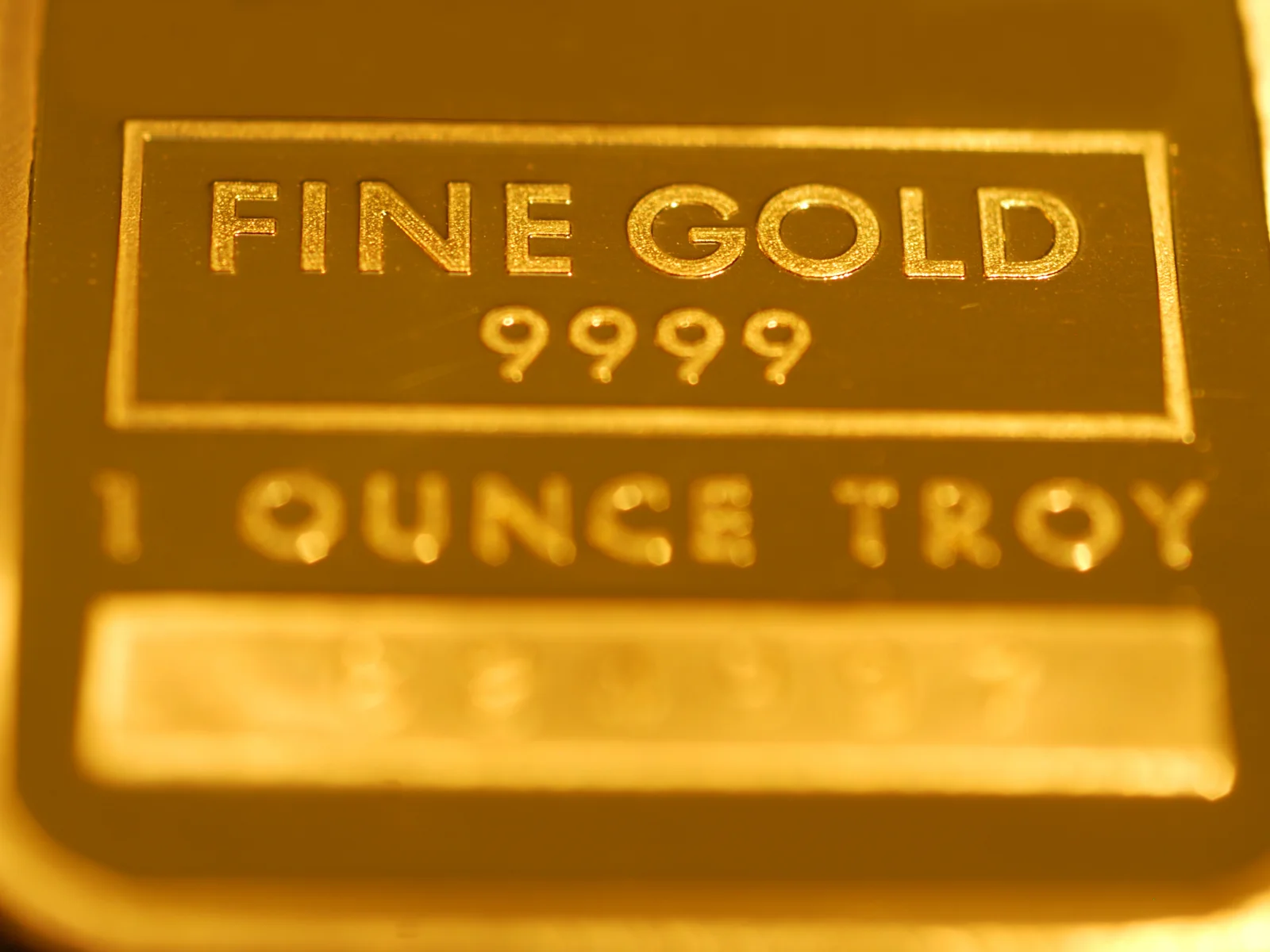
Pure gold is extremely soft, making it impractical for daily wear. A 24K ring would bend, scratch, and lose its shape quickly from regular handling. It also can’t securely hold gemstones, risking the loss of stones from their settings.
Jewelry manufacturers solve this problem by mixing gold with harder metals, such as copper, silver, and zinc. That’s why most jewelry uses 14K (58.3% gold) or 18K (75% gold) instead of pure 24K. The added metals give jewelry the durability it needs for everyday use without sacrificing too much gold content.
Bullion works differently; purity matters more than strength. Since investors keep bars and coins in storage rather than wear them, manufacturers can use 999 or 9999 fineness without concern for scratches or dents.
That high purity also makes fine gold the global standard for bullion trading. The consistent fineness makes it easy to buy, sell, and value across different markets. Investors pay lower premiums over spot price compared to jewelry because bullion requires less intricate manufacturing.
What Is 1 oz of Fine Gold Worth?
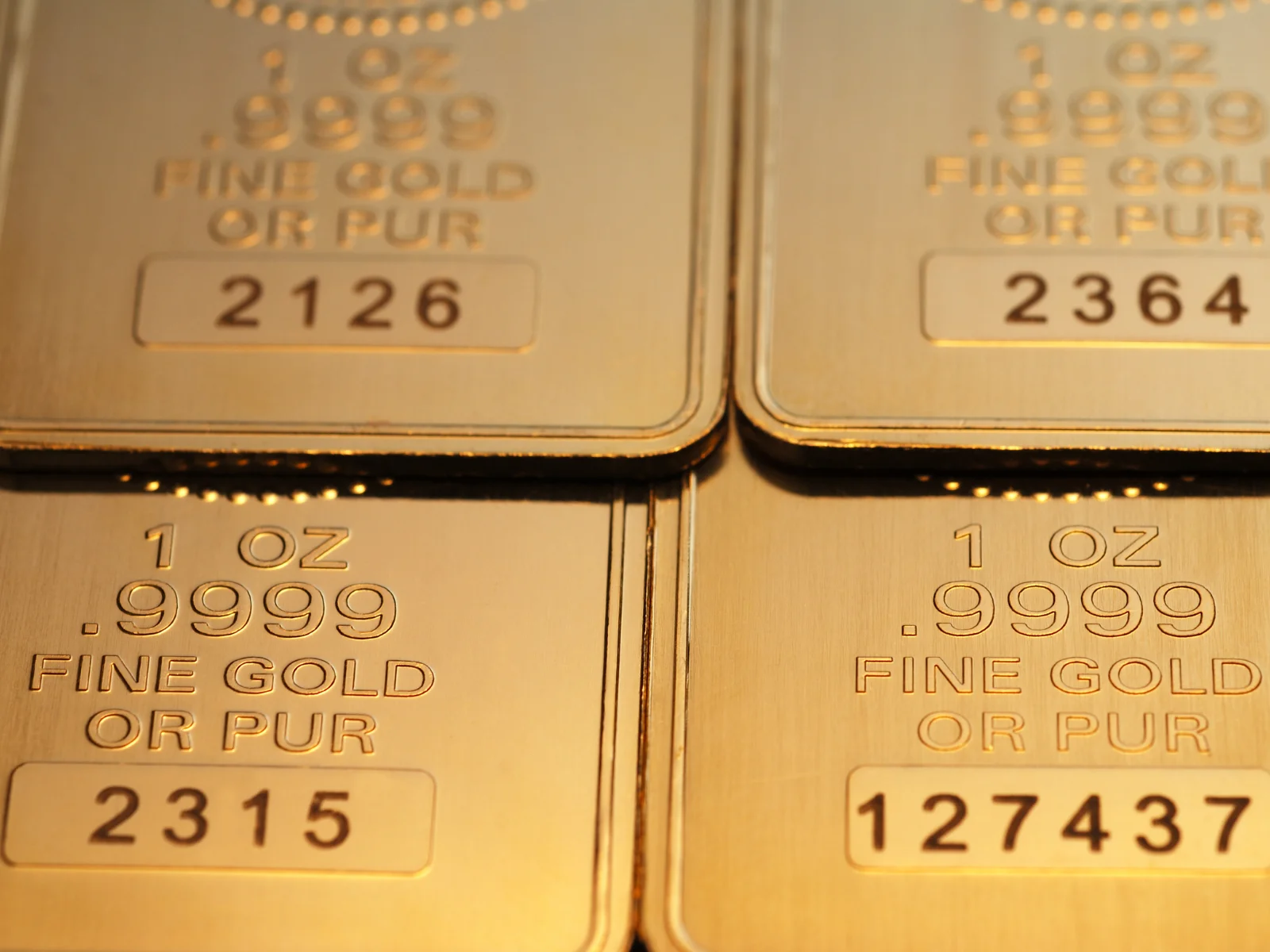
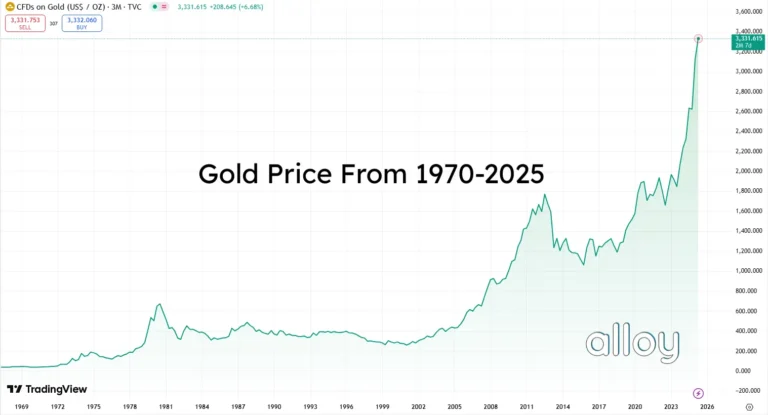
An ounce of fine gold is worth the current spot price, which fluctuates throughout the day based on global market activity.
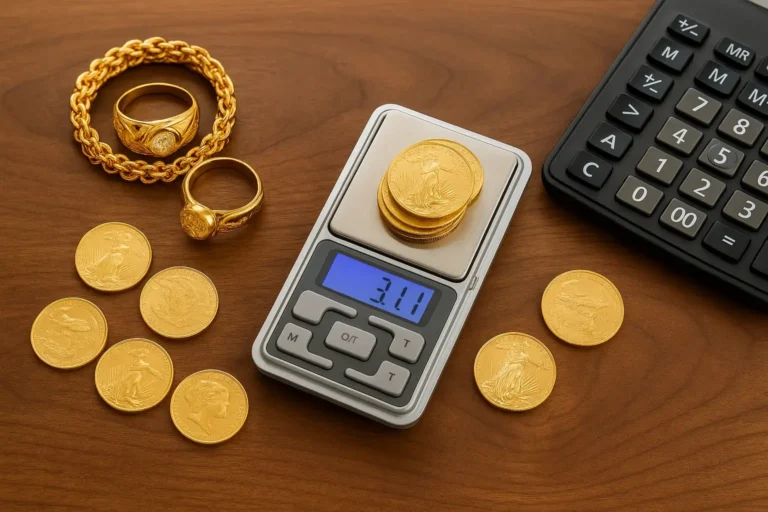
Calculate fine gold’s value using this simple formula:
Value = Spot Price × Purity
For fine gold, the purity is essentially 1.0 (or 100%). So if the spot price is $5,000 per ounce, one ounce of fine gold would be worth $5,000.
Keep in mind that what sellers receive and what buyers pay depend on dealer spreads, fees, and local demand. Selling offers often come in below spot price, while buying usually costs slightly above it.
Selling Fine Gold? Here’s the Next Step
The best way to avoid guesswork when selling fine gold is to get a clear offer based on today’s spot price, purity, and weight. First, check the stamp. Look for 999, 9999, or 995 to confirm fineness. Then weigh the item in grams or ounces, and ensure any offer reflects current market pricing.
Sell Your Fine Gold with The Alloy Market

The Alloy Market makes it simple to sell fine gold from the comfort of your home. To get started, request a free evaluation kit; we’ll ship it straight to your door. Inside, use the postage-paid parcel to pack your items, then schedule a free FedEx pickup or drop it off at your nearest FedEx location. We’ll cover the tracking and insurance so you know your items are safe in transit.
Once they arrive at our location, our team will evaluate your items and send you an itemized offer for purchase. When you accept, we’ll initiate payment the same day. You keep 100% of the quoted offer price; no minimum or account required. Join the thousands of happy customers who have made Alloy their chosen precious metal buyer and request your kit today.