
What Karat is Pure Gold? A Gold Purity Complete Guide


Understanding What Karat is Pure Gold
What karat is pure gold? It’s a common question many gold owners have, whether they purchased, inherited, or were gifted their pieces. This guide will bring some answers to their questions.
We’ll clear up the confusion around karats, explaining why 24K stands out from the rest. Additionally, we’ll explain how purity connects to value, durability, and everyday use. By the end, readers will have a clearer understanding of the true worth of their gold.
In a nutshell:
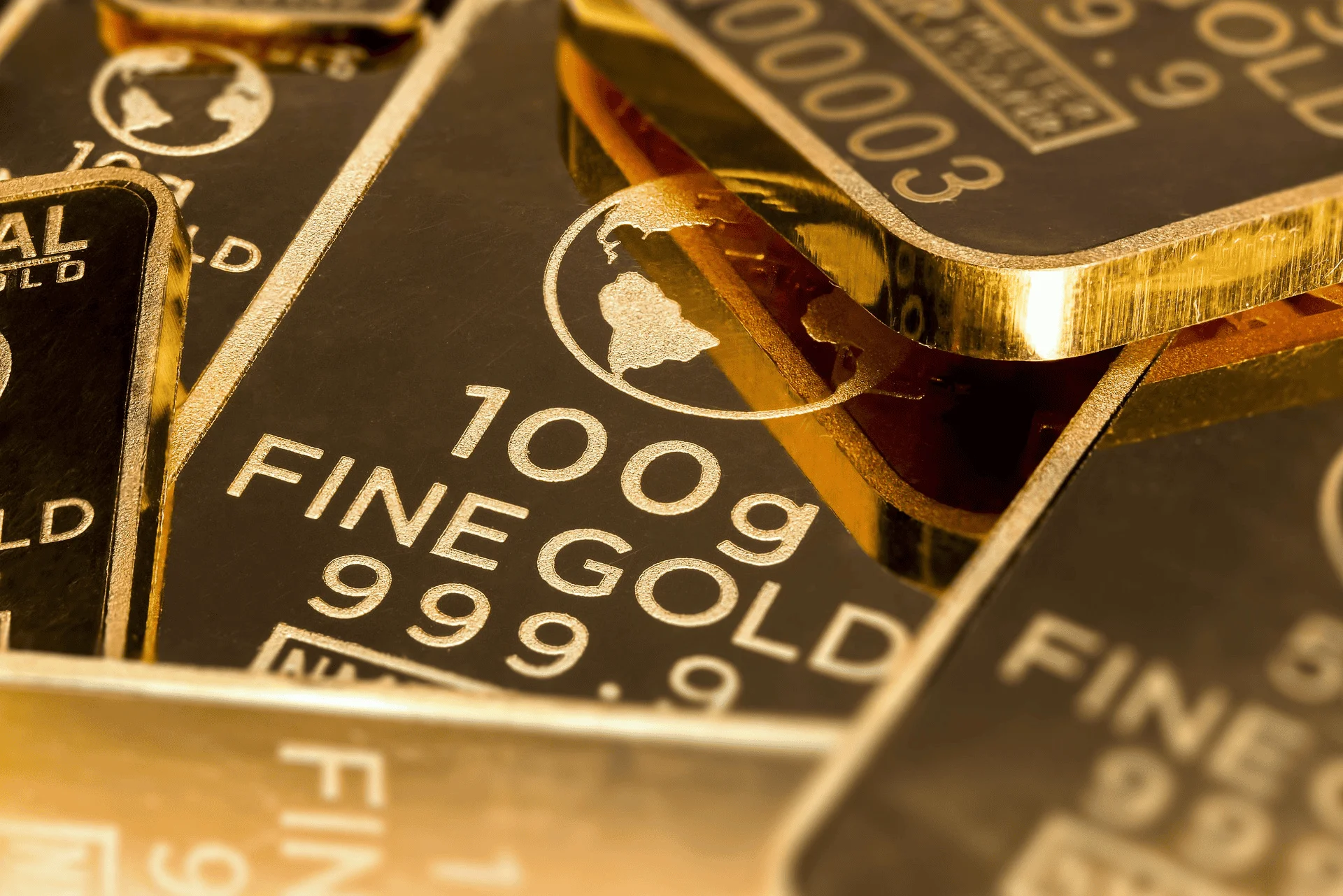
24K gold is 99.9% pure gold and is mainly found in investment-grade bullion or coins. Lower karats of gold still contain pure gold, but they are an alloy of less expensive metals. Karats describe the percentage of pure gold in a piece of jewelry. The spot price of gold denotes the value of 24K gold and determines the value of all gold purchased and sold worldwide.
What is a Karat and How is Gold Purity Measured?

A karat is the unit used to measure the purity of gold, based on a simple 24-point scale. The higher the karat, the more gold content there is. On this scale, 24 out of 24 parts means pure gold. Lower numbers, therefore, mean lower gold content. A lower karat means that other metals, such as silver, copper, or nickel, have been mixed in.
For instance, 18K refers to 18 parts gold and 6 parts other metals. In percentage terms, 18K translates to 75% gold content (18/24). Each karat equals roughly 4.167% of the whole.
Later on, we’ll explain more clearly how this plays out with other karat ratings. But it goes without saying that understanding karats is key when dealing with gold. The karat number directly affects both its melt value and its resale price.
Historical roots of the karat system

In case you’re wondering, “Why 24?” The karat system’s link to gold purity goes back to the Middle Ages. At that time, they weighed gold coins using a 24-part standard of fineness.
A “mark” of gold was traditionally divided into 24 carats. (The term “carat” in this case comes from the carob seed, which they used as a standard for weighing precious metals.) The number of pure parts within that measure indicated the gold’s quality. The system worked well for trade, since 24 divides easily into halves, quarters, and other fractions.
By the time of the Roman and Byzantine empires, coins like the solidus had already reached a purity of nearly 24 carats. Over the centuries, the practice of measuring gold in 24 parts spread through Europe’s mints and goldsmith guilds. Eventually, it became a consistent way to guarantee authenticity.
Hallmarking practices and government standards later established the 24-karat scale as the global standard for gold purity.
The Purity of Pure Gold – 24 Karats

Pure gold is defined as 24 karats, meaning 24 out of 24 parts are gold with no other metals mixed in. In practice, 24K denotes gold as 99.9% pure. Achieving absolute 100% purity is nearly impossible outside of laboratory conditions.
Visually, 24K gold has a rich, solid, bright yellow color that stands apart from lower karats. It may feel counterintuitive, but pure gold is actually very soft, which makes it highly malleable. In other words, it’s easy to shape but also prone to bending and scratching.
For that reason, jewelers rarely use 24K for items meant for daily wear. Instead, one can see it in coins, bullion bars, and investment-grade pieces where purity matters more than durability.
Common Gold Karat Types and Their Purity Levels
Here’s a quick look at the most common karat ratings, how much pure gold each contains, and where you’ll most often see them used:
Gold Melt Value Calculator
Final Thoughts on Pure Gold and Karat
The takeaway is simple: 24K equals pure gold. That number has been the global standard for centuries, serving as the benchmark seen everywhere, from bullion bars to wedding jewelry.
Knowing the karat level of a piece of gold isn’t just trivia. It determines melt value, resale potential, and even the durability of a piece if someone plans to wear it frequently. With that understanding of purity, one will have a clearer idea of their gold’s worth when the time comes to sell.
If you want to see how your gold items measure up, use Alloy Market’s gold calculator. It’ll help you stay informed, avoid surprises, and get the most out of your gold when selling.
Alloy Buys Gold
Do you have gold to sell? No matter the karat, Alloy Market wants to buy your gold. To get started, request a free Alloy Kit. We’ll ship it right to your door right away.
Use the free, postage-paid parcel to safely ship your items to us for examination. We will conduct top-of-the-line testing to ensure the purity and weight of your piece and send you a detailed offer. When you accept the offer, we initiate payment the same day!


