
How to Move On After Divorce: The Psychology of the Ring

The divorce is finalized, the possessions divided; now what? Many find themselves in a new home, beginning a new life, contemplating the one thing that used to symbolize all of their hopes and dreams with a person who is no longer there.
Dan Jurek, a Licensed Marriage and Family Therapist – Supervisor at Pax Renwal Center, notes:
“The ring isn’t just jewelry; it’s a compressed symbol of identity, commitment, and loss all at once… what I’d call ‘object ambivalence’ — the ring feels unbearable to wear but terrifying to release.”
What do divorced people do with their rings? The options are endless, and ultimately, what one chooses will be unique to their own journey. As Olivia Howell of Fresh Starts Registry and author of Divorce Happens: A Compassionate Guide to Starting Fresh (Sheldon Press, August 2027) declares:
“The ring is not a verdict—it’s just an object, and you get to decide what it means now.”
For anyone wondering, “Should I keep my ring after divorce?” or how to navigate the emotional weight of a former symbol, keep reading. Our experts weigh in below on common experiences of the newly uncoupled and discuss how to move on after divorce.
In a nutshell
The emotional weight of a wedding ring is a physical reality, not just a mental hurdle. Because the nervous system creates a “biological lock-in” between the jewelry and the pain of a split, rushing a decision to sell or discard the object can often lead to a second wave of grief.
The recommended path to healing follows three stages: the neutral zone, symbolic reframing, and intentional action. Ultimately, closure does not come from what is done with the ring; it comes from the internal work of reclaiming one’s identity.
The Biological “Lock-In”: Why You Can’t Just “Think” Your Way Out
Many rush the decision about what to do with a wedding ring before they are truly ready. It is not always possible for the body and mind to move through grief quickly; instead, taking time is often the most effective plan.
Kaila Hattis, a therapist specializing in grief-informed relational work at Pacific Coast Therapy, explains:
“Forcing a positive label prior to the grief passing is likely to backfire. The brain interprets it as a denial and tightens.”
This biological “tightening” occurs because the brain often creates new neural pathways during sleepless nights and times of emotional upheaval. Hattis notes that the ring does not become a symbol of failure on its own; rather, the meaning is forged in moments of distress. Hattis says:
“Three in the morning, playing the same arguments, the ring on the nightstand as your brain does what brains do – associates the object with the pain, and provides a lock-in.”
Realistically, most people require anywhere from six months to two years to heal from a divorce, and even longer in cases of betrayal or high conflict. Letting go after divorce takes time. While the process is inherently uncomfortable, it is within that discomfort that real growth and long-term healing can occur.
The “Neutral Zone”: Why Doing Nothing is Often the Best Strategy
If someone feels pressured to make a decision about their ring, the best course of action is often to pause. Dr. Nick Bach of Grace Psychological Services notes that many of his clients thrive on what he calls a “neutral zone.” It’s essentially an “out of sight, out of mind” option that removes the ring from view, enabling clear decision-making rather than raw emotion.
Anneli Kumpula, co-founder of Elevate Hospice and nurse practitioner with mental health expertise, agrees that creating physical distance is a key step in emotional processing:
”Storing the ring in a neutral space — like a drawer or safe — gives one’s feelings time to settle. Pausing can prevent rash decisions and make a choice feel more intentional.”
Kaila Hattis further emphasizes this point by encouraging the use of a safe deposit box. Decisions made during the “worst emotional week” of a divorce are often permanent and can lead to a “second wave” of grief, mourning the loss of an object once the initial anger has faded. Neutral storage ensures that when the ring is finally handled, it is done so without being “impaled” by acute pain.
Shifting the Narrative: From “Failure” to “Resilience”
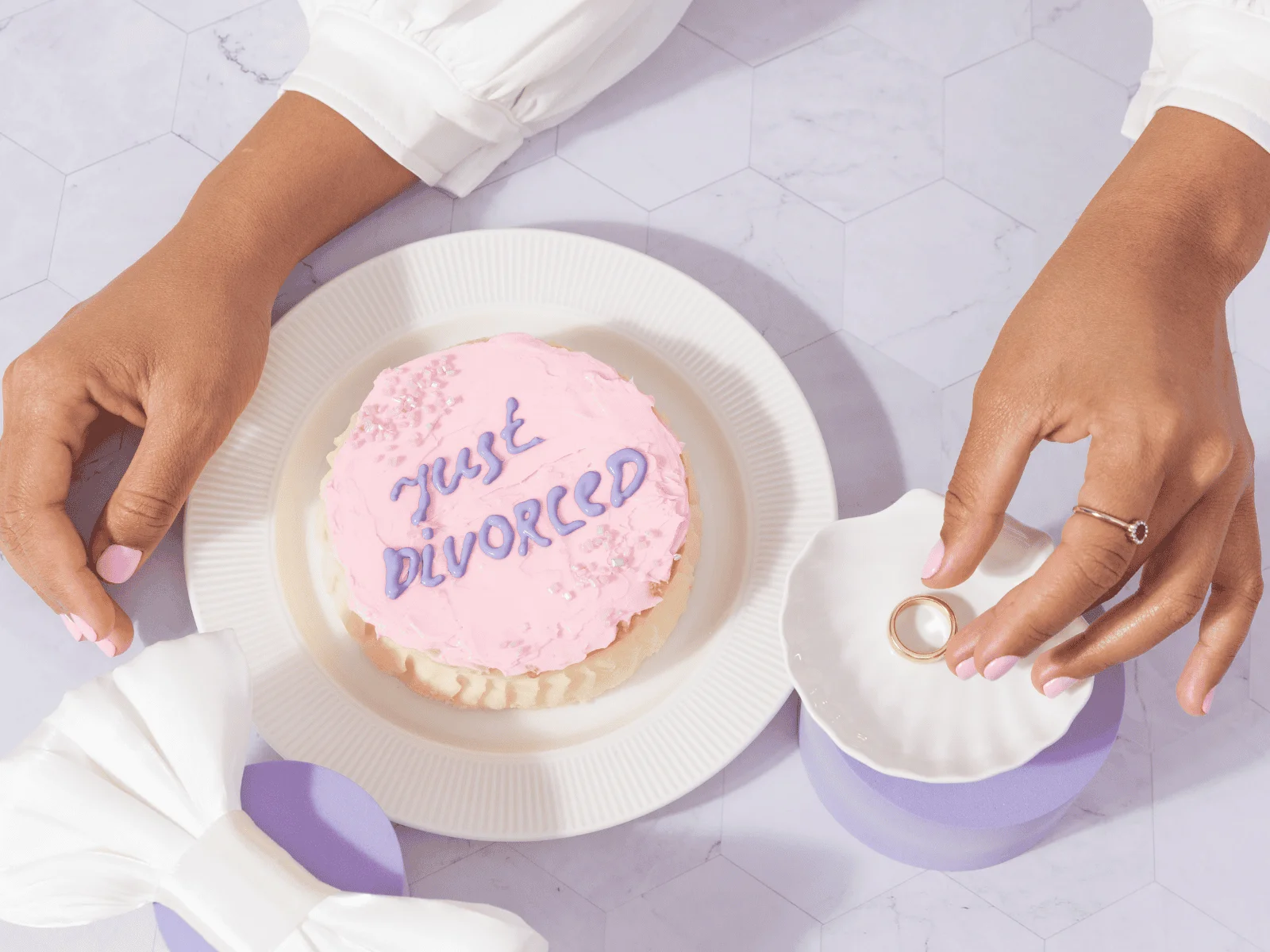
The ring itself does not change after divorce, but a person’s sentiments about it can. Olivia Howell encourages a powerful mental reframe: instead of viewing it as failure, view it as evidence of one’s capacity for love and the bravery required to walk away when a situation no longer serves them.
“It becomes evidence of growth, not defeat,” Howell says. “Re-categorizing the ring as a symbol of what you were willing to risk for love — and brave enough to walk away from when it no longer served you — is a powerful cognitive reframe.”
Xanet Pailet, a sex and intimacy coach at Passionate Intimacy Retreats, frames the end of a marriage as “completion” rather than a “mistake”. From this new shift in perspective, the ring becomes a marker of a chapter that shaped the individual for their next stage of life, allowing it to be seen as a piece of history rather than a present-day verdict on one’s character.
As the emotional fog lifts, many find their internal dialogue begins to shift. Dr. Nick Bach observes this turning point in his practice:
”I often hear a woman say, ‘This ring reminds me that I stayed too long,’ then later, ‘This ring proves that I can survive hard things.'”
Even still, many wonder, “Can I still wear my wedding ring after divorce?” The good news is that there are no rules, only what feels right for the individual.
Some find the new framing of the ring provides enough personal freedom to continue wearing their ring, perhaps on another finger. While others choose to change their ring altogether by designing something new from the ashes of the old one.
Healing Rituals: Breaking the Circle of Memory
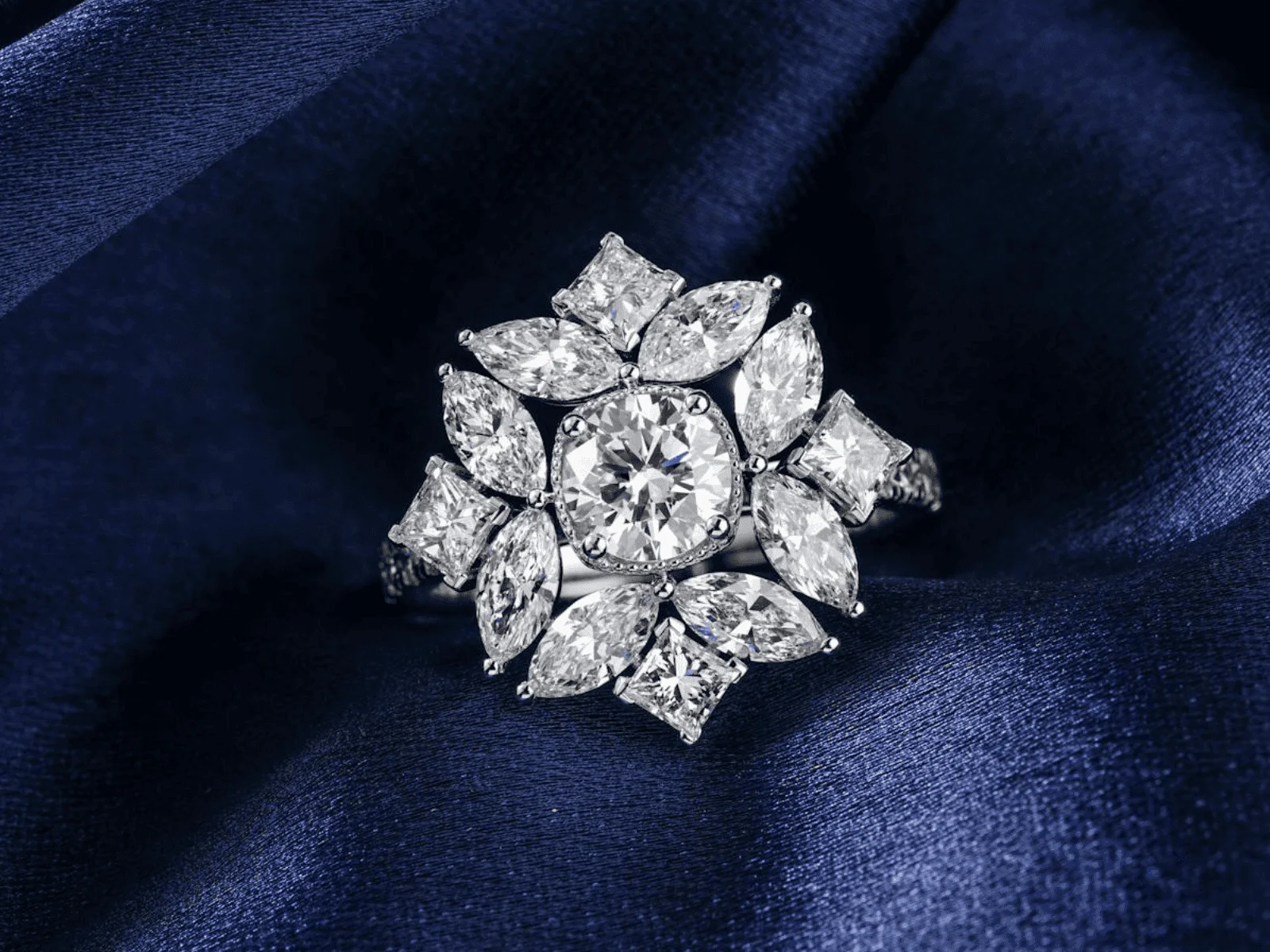
Sometimes a simple reframe isn’t enough. Others may find they require something more symbolic to mark the transition to a new life. Rituals, ceremonies, or other personal practices can sometimes provide the nervous system with the closure needed to move on to the next stage of healing.
Divorce rings have become a popular way for a newly uncoupled person to create new, positive associations with an object that was once a painful talisman. Rather than discarding or selling the ring immediately, many choose to repurpose the stones and metal into a piece that serves as a declaration of newfound independence and empowerment. Hattis asserts:
“By reusing the stone in something new… you can break the circle of automatic memory. The brain ceases to associate that spark of light with the marriage and begins to associate it with something up to date.”
Anneli Kumpula suggests that, along with repurposing the stones, “storing it in a special box, or even holding a small ‘letting go’ ceremony can create a sense of emotional transition and finality.” Ceremonies and rituals have helped humans process life transitions for millennia by providing a sense of control and reducing anxiety. The practice only needs to be meaningful to the one performing it; it can include anything from journaling to a quiet, private moment of reflection.
“Writing a goodbye letter to the ring before storing or selling it… The ritual matters less than the intention behind it,” says Howell. If a ritual feels right, it can often help move through pain with greater intentionality.
Timing and Readiness: Feeling Neutral Is a Good Sign

When does one know if they are ready to let go of a ring? When the thought of the ring no longer spikes the heart rate, and the owner has moved past the relationship scorecard mentality, it’s often a good indicator. In fact, Anneli Kumpula says one is ready when they actually feel almost nothing about it.
“You’re ready when thinking about the ring feels mostly neutral or empowering rather than painful,” she says.
Dan Jurek echoes a similar sentiment: “When you can hold the ring and feel more curiosity than grief or rage, that’s your nervous system telling you it has processed enough.”
Once all negative sentiment has left the ring, it’s the right time to make a decision. If one will not be repurposing their ring, they may often wonder how to sell a wedding ring after divorce. Understanding the process can empower the ring holder and provide the funds to help propel their new life forward.
Choosing Your Fresh Start

Ultimately, the journey of letting go after divorce is not a race. Whether an individual chooses to keep their ring as a family heirloom, redesign it into a symbol of independence, or sell it to fund a fresh start, the decision is personal and should be made from a place of peace rather than pain.
As the experts have noted, a ring need not be a constant reminder of a failed marriage but instead a marker of a lived experience. When the shimmer no longer triggers a surge of grief, when the decision feels as neutral as “paperwork”, only then can one know that they are truly ready to decide what the object represents for their future.
Here’s to New Beginnings
For those who have reached a place of emotional neutrality and have decided that selling their ring is the right next step for their journey, the process should be as respectful and transparent as the healing that preceded it.
The Alloy Market provides a safe, easy, and transparent process for people to sell their jewelry from the comfort of their own homes. Simply request a free evaluation kit to get started. We’ll send you a postage-paid parcel to pack your ring, and any other relationship reminders you’re ready to let go of.
You can drop your package off at the nearest FedEx location or request a complimentary home pickup. Items ship with insurance and tracking so you know they’re safe in transit.
Clients near our office in Newtown, PA, may request to schedule an in-person appointment. Have questions first? You can reach out to one of our Alloy Advisors, who are happy to help.
Items are verified for purity and weight, and as soon as they’re evaluated, we’ll send you a detailed, itemized purchase offer. When you accept, we’ll initiate payment on the same day. If you decline, we will send your items back at no cost to you.
Items with resale potential are eligible for our Double Pay program, which automatically pays sellers a bonus of 25% of the profit when an item is resold. Prefer to have your item melted down instead? No problem, there is no obligation to participate in the resale option. Simply indicate your preference on your payment acceptance form.
Let Alloy help you pave a new path in your new life. Get started today.