
How to Sell Tiffany Jewelry: A 2026 Guide to Payouts and Policies

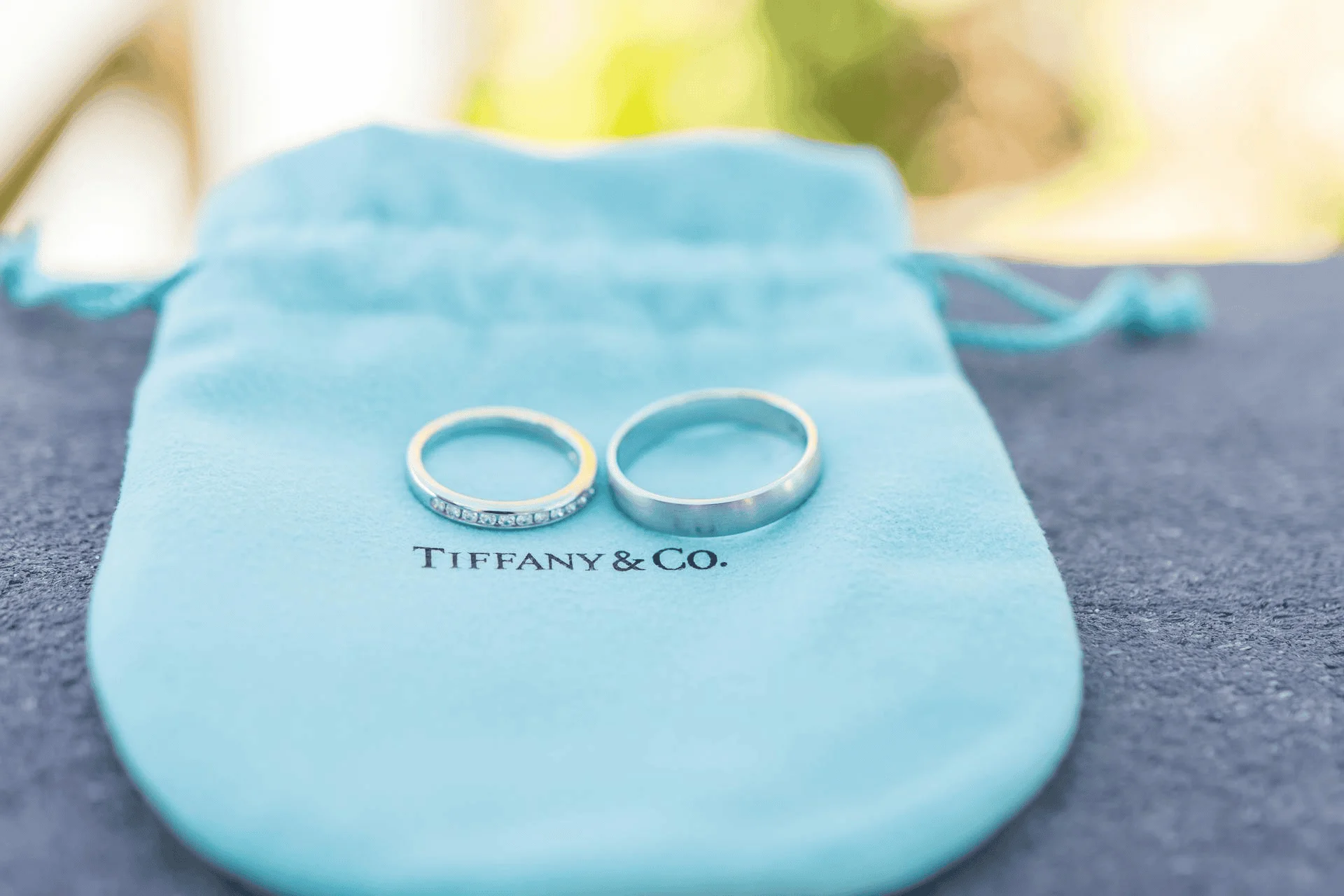
There is no symbol of luxury quite as widely recognized as the Tiffany “Blue Box”. For generations, it’s represented a standard of quality and promise of lasting value. However, life seasons change, and some find themselves in need of cash more than a legacy piece.
When it comes time to part with their collection, the first question people may ask is whether Tiffany buys back their jewelry. It makes sense to assume so. If a brand stands behind its quality, surely they’d buy it back.
Unfortunately, luxury retail is much more complex. While the jewelry certainly has retained its value, unlocking it often requires navigating trade-in policies, authentication hurdles, and a resale market that operates very differently from the boutique on Fifth Avenue.
This guide is designed to help cut through the noise and walk sellers through how to sell Tiffany jewelry, breaking down exactly what Tiffany’s current policies allow, how to spot a fake before listing, and where someone can turn that robin’s-egg-blue box into green cash.
In a nutshell
While Tiffany & Co. offers a strict 30-day return window and a diamond upgrade program, the brand does not offer a cash buy-back service for pre-owned jewelry. Consequently, owners looking to liquidate their pieces must navigate a secondary market ranging from slow-moving luxury consignment to immediate-payout precious metal dealers. This guide outlines how to evaluate Tiffany jewelry for resale, identify common counterfeits, and choose the most effective platform for a fast and fair cash payout.
Does Tiffany Buy Back Jewelry?

Tiffany does not buy back jewelry. Instead, they offer a 30-day return policy for items under $75,000. Items under this threshold are accepted for credit or exchange in the U.S. No refunds are issued for purchases above that amount; only exchanges are available.
The return policy outlines strict acceptance guidelines, including:
- Merchandise must be accompanied by all original packaging, including jewelry boxes and pouches.
- Watches must be returned with the same number of links presented at purchase and accompanied by the warranty card.
- Fragrance must be returned in its original packaging (including water seal stickers) and in saleable condition.
- Personalized, altered, or engraved items are not eligible for return or exchange.
- Refunds and exchanges are only eligible within the original country of purchase.
- Certain limited edition and collaboration merchandise may be ineligible for a refund.
Those with a Tiffany & Co. diamond engagement ring have the opportunity to upgrade their existing ring. The retail price of the new engagement ring must be at least 100% greater than the original purchase price, and they will not issue a full credit for damaged or blemished rings. Customers will receive a credit up to the original purchase price, which can then be applied toward the purchase of a new Tiffany engagement ring.
While this upgrade program is one way to capitalize on the value of an engagement ring, it doesn’t solve the problem for those looking to liquidate it completely. Instead, selling through another outlet is the only way. But first, understanding the true value of the jewelry is key.
What Is Your Tiffany Jewelry Actually Worth?

Selling jewelry starts with the melt value. The melt value refers to the intrinsic value of the precious metal from which the item is made. Online precious metal calculators provide free jewelry valuations, allowing sellers to set a jumping-off point for pricing. It’s important to note that diamonds are not valued highly on the resale market. Sellers often struggle to recapture the retail markup on stones.
Because of its prestige, Tiffany can sometimes demand a 10-20% premium over standard resale jewelry if the seller has retained the original documentation. Sellers without the original box, pouch, or certificate of authenticity may find their items sell at the average resale price due to the high prevalence of counterfeit Tiffany jewelry.
Authentication & fakes: How to spot a counterfeit
Due to its status, Tiffany is often the victim of counterfeiters seeking to dupe customers into purchasing fake items. Unless someone initially purchased jewelry directly from Tiffany, it can be hard to know if what they’re holding is authentic. Knowing how to spot a fake can protect buyers and sellers alike. Here are some things to look out for:
- Purchase price: If the item was purchased secondhand at a price that was “too good to be true”, that may actually be the case.
- Hallmarks: All Tiffany jewelry will be marked. Stamps or engraving on genuine Tiffany jewelry should be made with equal pressure so that all letters look the same with no distortion. Fine jewelry will display the karat or fineness of the metal, 925 for sterling, 950Pt for platinum, and primarily 18K or 750 for Tiffany’s gold jewelry. Necklaces will have prominent tags at one end with the fineness on one side and branding on the other.
- Soldering: This is often the easiest one to spot. Fake Tiffany jewelry often features open links on bracelets and necklaces, as seen in the video below. Authentic Tiffany features closed, soldered loops on the entire piece, never leaving one open.
- Weight: This can be difficult to judge when purchasing online, but real precious metals are generally much heavier than those used in counterfeit jewelry. Pieces made from actual sterling silver, gold, or platinum will be heavier than identically appearing fakes.
- Sound: Another difficult indicator for online shoppers, but the sound of authentic fine jewelry is much different from that of pieces made from inferior metals. Sterling silver has a deeper sound when the piece is jostled in a hand than something made from nickel, for example. The video below gives a great example.
- Packaging: Tiffany pouches are made of high-quality suede using the specific “robin’s egg blue”. Boxes are made in the same color with silver foiling that should be crisp and appear high-quality. Many counterfeit boxes flood the market, but the difference is in the quality.
As mentioned earlier, when selling Tiffany jewelry, to fetch a higher sale price, most buyers will request paperwork authenticating a piece. If a seller does not have the correct paperwork, a buyer who values the piece on the metal content alone is often the safest and fastest route to cash out.
Where to Sell Tiffany Jewelry
Selling Tiffany doesn’t have to be hard. There are several places where someone can list or sell their jewelry, each with its own pros and cons.
- The Alloy Market: Alloy offers sellers a simple way to sell their jewelry from the comfort of their own home. Offers are based on the precious metal content in the piece and the live-market value of that metal. Items with resale potential may be selected for the marketplace, making them eligible for Alloy’s Double Pay program. If an item resells, sellers receive an additional 10% of the resale profit, or 25% as an Alloy Insider.
- Pawn shops: Easily found in most major cities, they provide sellers with quick cash. They also allow jewelry owners to use their jewelry as collateral for a loan. Payouts are generally lower here, often around 40% of the melt value.
- Cash-for-Gold buyers: Payouts vary widely, but do allow for same-day payouts. Some sellers may dislike the need to negotiate to get a higher offer.
- Jewelry stores: Some local jewelry stores buy jewelry, especially if it can be easily resold. Again, payouts vary, so it’s best to compare offers. Jewelers may require that the piece be in pristine condition in order to purchase it.
- Luxury consignment: These have the highest payout potential but often come with the most scrutiny and the longest wait times. Sites like The RealReal will require authentication to sell Tiffany jewelry. Commissions are rather expensive for services such as these.
- Online marketplaces: Online marketplaces, such as eBay, allow sellers more control of their listings than consignment stores. This is a great option for someone who wants to handle the whole process, from taking photos to shipping and answering questions. Listings for fine jewelry can take a long time on eBay because they involve higher costs. Fees can also eat into profits.
| Method | Payout Expectations | Speed | Effort & Risk | Best For |
|---|---|---|---|---|
| The Alloy Market | Market-based payout plus an additional 10% of resale profit, or 25% as an Alloy Insider, through Double Pay for eligible resale items. | Fast initial payout, possible bonus paid after resale | Low effort, fully insured shipping, bonus paid automatically | Sellers who want maximum payout potential with no extra work |
| Pawn Shops | Often around 40% of melt value | Immediate | Low effort, consistently lower offers | People who need cash immediately |
| Cash-for-Gold Buyers | Varies widely depending on negotiation | Same day | Requires in-person negotiation | Sellers comfortable negotiating face to face |
| Jewelry Stores | Varies, may be higher for resellable pieces | Same day or short wait | Limited buyers, may require pristine condition | Designer or high-demand jewelry |
| Luxury Consignment | Highest potential payouts but high commissions | Slow, often weeks or months | Authentication required, strict acceptance criteria | Luxury branded jewelry in excellent condition |
| Online Marketplaces | Potentially higher, depends on buyer demand | Slow, can take weeks or longer | Seller manages listings, fees, and buyer interactions | Sellers who want full control of the process |
Ultimately, sellers should decide what is most important to them. Some may prioritize a quick payout, while others may aim to capture the highest payout. What someone hopes to get out of the sale determines which method or platform is best.
How to Sell Tiffany Jewelry
Preparing jewelry for sale is simple when following a few simple steps.
- Clean the Piece: Use a basic silver or gold cloth to gently polish the piece. If more is required, use a soft brush and mild soap under warm water to brush away debris.
- Take High-Res Photos: If selling on a platform, take several photos with a lens that captures small hallmarks and stamps. If there are any marks or damage on the piece, be sure to document it for the listing. The more thorough the listing information, the more confident a buyer will be in purchasing.
- Understand the value: Start by calculating the piece’s melt value by weighing it and using a precious metal calculator. This benchmark allows sellers to determine the piece’s market value and price accordingly for listing, or understand how much they are willing to accept from a buyer.
- Get 3 Quotes: Compare a local shop, a luxury site, and a direct buyer, and be sure to consider any fees. Choose the selling option that best meets the prioritized needs.
Sell Your Tiffany Jewelry with The Alloy Market

If you’ve got Tiffany jewelry to sell, but don’t have the proper documentation required to capture the highest payout, or maybe you just want the ease of selling your item from the comfort of your own home, The Alloy Market is the place for you.
To get started, request a free evaluation kit. We’ll ship it directly to you and provide a free, postage-paid parcel to pack your items for shipping. Either drop it at the nearest FedEx location or request a complimentary at-home pickup.
For those located near our office in Newtown, PA, we offer scheduled in-person evaluations if that is what you prefer. Have questions before sending your items in? Reach out to one of our Alloy Advisors who are happy to help!
All items are evaluated using professional tools to check for purity and weight. The team will send a detailed, itemized purchase offer, generally on the same day the items are received. When you accept, we initiate payment on the same day. If you decline, we will ship your items back to you at no cost.
Jewelry in good condition may be eligible for resale on the marketplace, qualifying sellers for the Alloy Double Pay program. If an item resells, the seller automatically earns an additional 10% of the resale profit, or 25% as an Alloy Insider. This program is great for someone who needs immediate cash but wants to capitalize on the resale potential of their item beyond the melt value, without the extra work.
Join the thousands of happy customers who have made Alloy their go-to precious metal dealer. Get started by requesting your kit today.


