
750 Gold: Meaning, Purity & Value Explained


750 gold is a popular standard for fine jewelry worldwide, especially where durability matters as much as purity. This article will break down what makes 750 gold different, how pricing works, how to test it properly, and how to judge its value when buying or selling.
In a nutshell
750 gold, also known as 18K gold, contains 75% pure gold, making it a popular balance of value, beauty, and durability. Its price is driven by gold content, market demand, and craftsmanship, while resale value depends heavily on condition and where it’s sold. Knowing how to verify authenticity and understand melt value versus retail or collector premiums helps buyers avoid overpaying and sellers get fair offers.
What Does 750 Mean on Jewelry?
The hallmark definition

The hallmark stamp “750” seen on gold jewelry means the item is made of 75.0% pure gold. In karat terms, that’s 18 karat gold.
The remaining 25% consists of other metals, such as copper, silver, or palladium, which are added to improve strength, durability, and color tone.
That tells someone right away that what they’re holding is more valuable than common gold jewelry in lower karats like 10K and 14K gold. At the same time, it’s less pure than 22K or 24K gold, but stronger because of its higher mix of other metals.
How 750 relates to gold purity systems
The number “750” is just one part of a broader gold-marking system that indicates how much real gold a piece contains. Here’s how it compares:
- 416 means 41.6% gold, known as 10 karat. It’s the minimum legal karat for gold in the U.S. It’s durable and budget-friendly, but noticeably lower in gold content.
- 585 means 58.5% gold, also known as 14 karat. It’s more affordable than 18k gold, but less pure.
- 916 means 91.6% gold, also called 22 karat. It’s richer in color but softer and more prone to scratching.
- 999 means 99.9% gold or 24 karat. It’s essentially pure gold, but it’s rarely used for everyday jewelry because it’s so soft (more commonly used in bullion).
As anyone can see, 750 gold, or 18K gold, sits in the middle of the karat spectrum. It’s pure enough to retain high value and timeless beauty, yet mixed with just enough metals for durability and practical everyday wear.
Why Is 750 Gold Valuable?
Gold content & durability
750 gold is valuable because it offers both luxury and practicality.
At 75% gold content, it already carries a high intrinsic gold value. But the remaining 25%, made up of other metals like copper or silver, adds strength and durability, making it suitable for rings, bracelets, and other everyday wear pieces.
Simply put, buyers get the rich look and feel of high-purity gold without worrying as much about bending or scratching (as one would with pure 24K gold) when wearing it daily.
Market demand & standards
750 gold’s balance of luxury and practicality is why it’s one of the most in-demand purities among fine jewelry buyers worldwide.
Across Europe and Asia, particularly in Italy, France, India, and China, much of the high-end gold jewelry one will encounter is marked 750.
Because of this widespread demand, 750 gold tends to be more liquid. For sellers, that means it’s generally easier to resell, attracts more buyers, and often receives stronger offers compared to less common purities.
Color variations & alloys

Traditionally, gold is associated with a rich yellow tone, but it can come in different shades depending on the alloy mix.
For 750 gold, in particular, the remaining 25% of alloyed metals plays a major role in determining the final color.
- Yellow gold: Usually made with a mix of roughly 12.5% silver and 12.5% copper. This combination preserves gold’s warm, timeless yellow tone while adding strength and durability.
- White gold: Often made by combining 75% gold with around 10–15% palladium or nickel, along with small amounts of silver or zinc. To enhance its bright, silvery appearance, white gold is often rhodium-plated, a process that coats it with rhodium, a platinum-group metal.
- Rose gold: Typically contains 75% gold and up to 22.25% copper, with a small amount of silver (around 2.75%). The higher copper content gives rose gold its signature blush-pink tone. The more copper in the mix, the deeper and redder the final color appears.
How to Test and Verify 750 Gold Jewelry
Hallmarks & stamps
The easiest way to check if gold is 750 is to look for the hallmark “750.” This stamp is usually placed discreetly, such as inside a ring band, the clasp of a necklace, or the back of a pendant.
To give buyers more peace of mind and help deter counterfeits, 750 gold jewelry often includes additional marks, such as a date letter, a sponsor’s mark, or a traditional assay mark. That said, stamps can still be faked, so one should do further testing beyond visual inspection.
Simple At‑home tests
Below are a few ways to test gold at home:
Magnet test
Gold isn’t magnetic. So, if an item sticks strongly to a magnet, it’s not real 750 gold. Even so, non-magnetic doesn’t always mean it’s real, as some fakes are made of cheap, non-magnetic metals like brass or lead coated in gold.
Scratch test

This test involves rubbing a 750 gold item against an unglazed ceramic plate or a testing stone. If a piece is genuine gold, it should leave a yellow or gold-colored streak. Fake metals, on the other hand, tend to leave black, gray, or greenish marks.
The catch? Gold-plated pieces or gold-filled jewelry can still pass the scratch test, even though only the outer layer contains real gold, and the core metal underneath is not solid gold.
Density test
This method calculates the density of the gold item by comparing its weight to its volume. Pure 18K gold has a density of around 15.6g/cm³. So, if someone weighs the item and then measures how much water it displaces, one can estimate its purity.
This may sound simple, but it can be tricky. People need precise tools, such as a digital scale accurate to 0.01 grams and a graduated cylinder that measures milliliters exactly. And even then, it won’t work well on jewelry that has stones, hollow sections, or mixed materials, as those will skew the results.
Acid test

Using a nitric acid-based gold testing kit, rub the item onto a black test stone to leave a metal streak. Then apply the 18K test acid. If the streak disappears, the item is less than 18k. If it stays, it’s likely 750 or better. Simple as that. This test is widely used because it’s cheap, quick, and accessible.
Lighter test
The lighter test involves holding a lighter’s flame directly to the surface of the gold item for a few seconds to observe any reactions. Fake gold typically discolors, melts, or gives off a burnt smell. Real 750 gold, on the other hand, stays intact and structurally sound under a normal lighter flame.
Most don’t recommend trying this method. Firstly, it presents fire risks and can be unsafe. Secondly, it’s more likely to damage a gold piece, especially if it has gemstones or plating.
All that being said, none of these methods are 100% foolproof. They can provide helpful clues and weed out obvious fakes, but they can’t confirm exact purity. For that, one needs professional testing.
Professional appraisal & verification
Professional testing is the best approach for high-value gold pieces like antiques, family heirlooms, or sentimental items; anything that can’t risk damage and for which the seller wants more than a simple real-or-fake answer. This route provides sellers with certainty of the piece’s actual composition and, by extension, its resale value.
For this, sellers can approach a qualified jeweler or a professional gold buyer. They often use XRF (X-ray fluorescence) scanners, which work by directing low-energy X-rays at the metal and measuring how the elements within it respond. This allows them to identify the gold’s purity and alloy composition without scratching or damaging the piece.
750 Gold Value & Pricing Considerations
750 Gold spot price vs. retail price

The spot price of gold is the current market rate for pure 24K gold, usually quoted per troy ounce or per gram. With the spot price just over $5,000 per ounce (as of writing), this level falls near the upper end of historical gold prices.
Since 750 gold is 75% pure, one can estimate its melt value by multiplying the spot price by 0.75. That gives a value of roughly $3,750/oz for raw 750 gold (before any fees, taxes, or refining costs)
However, when buying 750 gold jewelry at retail, buyers shouldn’t expect to pay just the melt value. In fact, the final price can be 50% to 150% higher. That’s because, beyond raw gold content, they’re also paying for:
- Craftsmanship: Intricate settings, stonework, and hand-finished details can significantly raise costs.
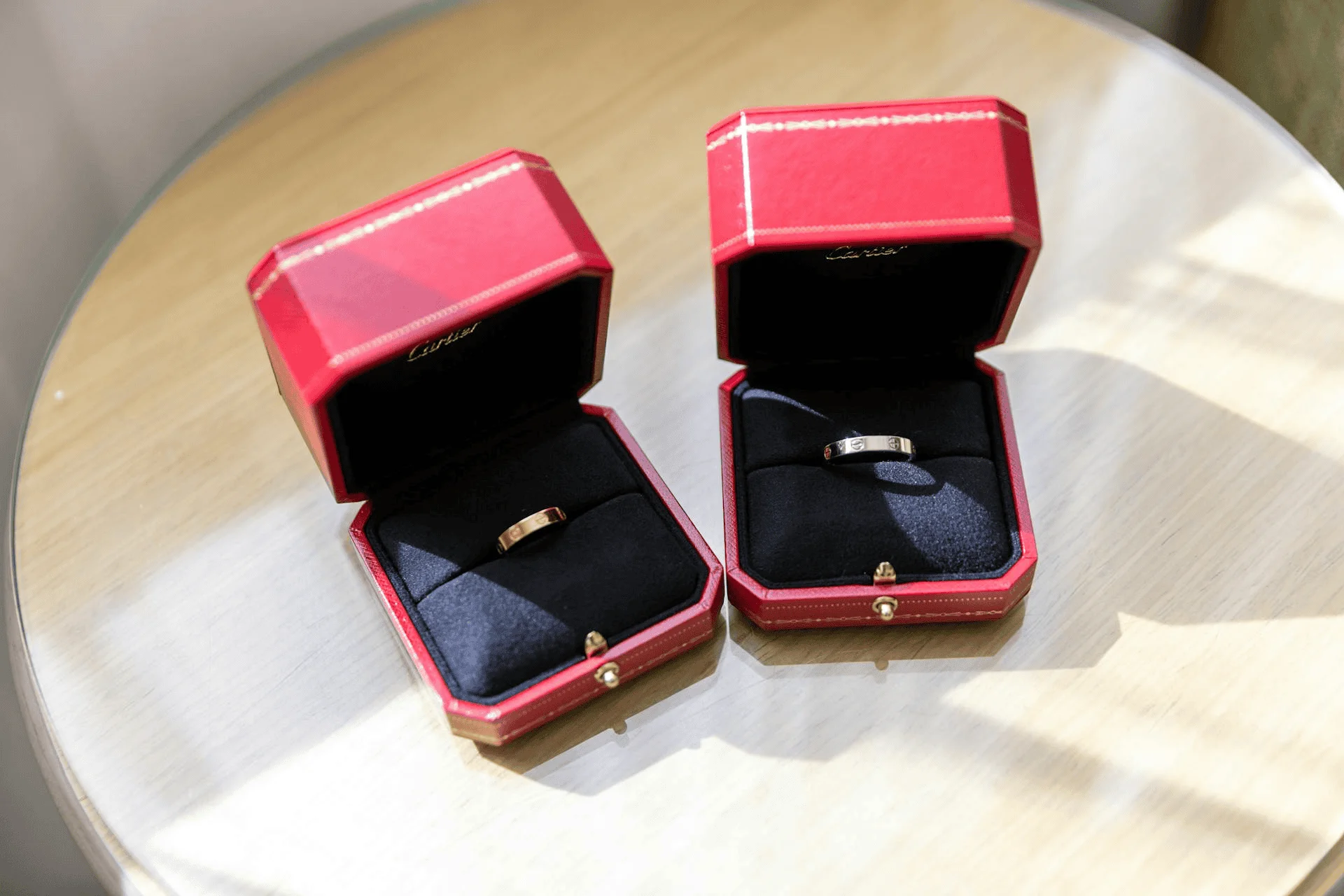
- Brand Premium: Well-known luxury names like Cartier or Van Cleef & Arpels charge far beyond metal value.
- Retail Markup: Stores factor in rent, staff, lighting, security, and other overhead costs into the final price tag.
Resale & pawn considerations
When selling 750 gold, the amount of money someone gets back depends heavily on who they’re dealing with, not just the gold content itself.
| Selling Option | How Pricing Works | Speed | Best For | Main Tradeoff / Risk |
|---|---|---|---|---|
| The Alloy Market | Offer is based on melt value | Medium (mail-in process; 3-7 days) | Sellers who want a simple process and fast payout or sellers with broken, damaged, or unwanted pieces | Does not pay extra for branding, craftsmanship, or resale appeal. |
| Jewelers & collectors | Pricing includes both gold content and appearance, condition, brand, and desirability. | Medium (depends on appraisal, demand, and negotiation) | Clean, undamaged jewelry, especially vintage, antique, or designer pieces with resale potential. | Condition-sensitive, wear/missing stones can reduce value significantly, local supply and demand affect whether a jeweler will purchase. |
| Peer-to-peer marketplaces + consignment | Seller sets price based on craftsmanship, brand, or style. Consignment services price and sell on your behalf for a fee. | Slow to medium (can take time to find the right buyer) | Sellers trying to maximize return for designer/vintage appeal and willing to wait. | High effort (DIY) or high fees (consignment), plus fraud/returns/chargebacks depending on platform. |
| Private buyers | Negotiated pricing based on demand, timing, and how appealing the piece is to buyers. | Varies | Sellers who want flexibility and may be able to sell at a premium during high-demand periods. | Requires more negotiation and buyer screening, and the process can be unpredictable. |
| Pawn shops | Offers are based mainly on resale margin and speed, not craftsmanship or brand. | Same day | Sellers who need cash immediately and want the fastest transaction. | Lowest return compared to other options, since convenience is the main value exchange. |
The Alloy Market

The Alloy Market bases its offers on the melt value of the piece, which is calculated by multiplying the gold’s weight, purity (0.75 in this case), and the current spot price per ounce.
Alloy doesn’t care about aesthetics. We’re buying gold for its metal content, so we’ll assess your piece solely on its weight and purity, not on its appearance. We will buy both designer and scrap jewelry and base your offer on the precious metal content of each.
If your goal is to extract maximum raw value, The Alloy Market is an excellent choice.
Jewelers & collectors
Unlike refiners, jewelers and collectors factor in both gold content and appearance.
If the piece is clean and undamaged, especially if it’s vintage, antique, or made by a known brand, sellers may get more than melt value. In rare cases, these picky buyers may pay a lot more than what someone originally paid for their jewelry.
But it goes both ways. Visible wear, deep scratches, missing stones, or other imperfections can significantly reduce the payout.
Peer-to-peer marketplaces
Peer-to-peer marketplaces, such as eBay or Poshmark, provide sellers with the opportunity to get their jewelry in front of a large audience, aiming to find a buyer willing to pay more for the craftsmanship or designer name. These DIY marketplaces can help fetch more than the melt value of a piece, but they come with a lot of work: sellers must photograph, list, answer buyer questions, and ship the item.
For sellers who want the wide reach of an online marketplace but don’t want to do all the work, consignment options such as The RealReal and Vestiaire Collective are a great choice. They handle all the grunt work from listing to closing, but for that service, sellers will pay a hefty fee.
This type of marketplace works best for items with designer or vintage appeal, where sellers are willing to pay a premium over melt value.
Private buyers
These buyers often come through personal referrals, private listings, or online platforms.
Pricing here is negotiable, and timing plays a big role. During periods of higher demand, such as wedding seasons or major gifting occasions, sellers may be able to command a premium.
And again, appearance matters. Clean, presentable pieces tend to attract more interest and sell faster. That said, this setup does leave more room for haggling.
Pawn shops
Pawn shops offer the fastest payouts but the lowest, typically around 40% of melt value. Why? Sellers are essentially trading convenience and speed for cash. They rarely pay based on craftsmanship or resale potential.
Special tips for white & rose 750 gold
750 white and rose gold are made with different gold alloy mixes, which means they wear differently and need slightly different care.
White gold
White gold is typically rhodium-plated to achieve its bright, silvery finish. Over time, that plating can wear off, especially on rings and bracelets. For jewelry owners who notice a yellowish tint, they should schedule a rhodium replating with a jeweler to restore the original appearance.
Rose gold
Rose gold gets its color from a higher copper content, which makes it durable but more prone to surface dulling if over-cleaned. Avoid abrasive cleaners and polishing tools. Use a non-abrasive cloth occasionally to maintain its sheen.
For both types, make it a habit to check for loose stones, worn prongs, or clasp issues.
Selling 750 Gold with The Alloy Market
When you’re ready to cash in your 750 jewelry, give The Alloy Market a try. We make selling gold jewelry from home a breeze. Simply request a free evaluation kit, and we’ll ship it right to your door. We provide a free, postage-paid parcel with insurance and tracking for your valuables in transit.
When your items arrive with us, our team of professionals will evaluate them and send you a detailed, itemized offer. You get to keep 100% of the offer price; we do not charge any hidden fees. When you accept our offer, we initiate payment on the same business day. If you decide not to, we will ship your items back to you at no expense.
Our customers rave about their experiences; read some of their reviews! We pride ourselves on our outstanding customer service. Don’t just take a chance, go with the sure thing. Request your free kit today to get started.


