
What Is 14K Gold?



In the US, the most common type of gold used in fine jewelry is 14K gold. It blends durability and value into one, making high-end pieces available to everyone. Though it is common, not everyone understands what a 14K gold indication even means. So what is 14K gold? This guide will explain what 14K gold is, what it’s worth, and how to sell it responsibly.
In a nutshell
14K gold is comprised of 58.3% pure gold, while the remaining 41.7% is made up of other metal alloys. Because of its pure gold content, it remains a store of value, will not tarnish, and can be resold for its inherent value in the precious metal. When selling, it’s important to understand the value of 14K gold to avoid lowball offers. Selecting the correct selling method depends on the individual piece and the seller’s goals.
What Is 14K Gold Made Of?

Jewelry made from 14K gold contains 58.3% pure gold, with the remaining 41.7% composed of other metal alloys. This blend gives 14K gold its strength, durability, and color while still retaining significant intrinsic gold value.
Depending on the piece, the other alloys may include copper, silver, or zinc. The proportion of these metals will determine whether the finished piece is yellow gold, white gold, or rose gold. White gold may also contain nickel or palladium to brighten the color, while adding more copper produces a warmer, pink tone.
Pure 24K gold is too soft for everyday jewelry, so combining it with these metal alloys provides the durability needed to prevent damage. Because it still contains more than half its weight in pure gold, 14K gold remains a very valuable precious metal.
What Percent Gold Is 14K?
Gold karats are graded on a system out of 24, with the karat indicating how many parts are pure gold. For example, 14K means 14 of 24 parts are pure gold, or 14/24= 58.3%. This percentage is what gold buyers use to calculate a piece’s actual value. The other percentages of common karats can be found in the following table:
| Karat Marking | Parts of Pure Gold (out of 24) | Percentage of Pure Gold |
|---|---|---|
| 10K | 10 / 24 | 41.7% |
| 14K | 14 / 24 | 58.3% |
| 18K | 18 / 24 | 75.0% |
| 22K | 22 / 24 | 91.7% |
| 24K | 24 / 24 | 99.9% |
Gold buyers frequently purchase old 14K gold from sellers who are looking to cash in on their pieces. They are easy to identify by their hallmarks and still contain meaningful precious metal.
Is 14K Gold Worth Anything?
Yes, 14K gold is worth the value of the gold it contains. Even broken chains, dented rings, and incomplete 14K gold earring sets can still sell for their precious metal content. Buyers who value items based on their gold content will not care about the condition of the piece up for sale.
What Is 14K Gold Worth?
There are two ways to think about what 14K gold is worth: melt value and resale value. Melt value refers to the value of just the gold in the piece. This valuation typically applies to jewelry that is damaged, out of style, or lacks resale potential. Resale value belongs to items that can be sold above the melt value.
Scrap Gold Melt Value
To understand the melt value of a piece, three factors are required: purity, weight, and spot price. The spot price is the worldwide market valuation of a precious metal, in this instance, gold. Here is how they work together.
Let’s assume there is a 14K gold necklace that weighs 10g and the current spot price of gold is $130/g. Since 14K gold is 58.3% pure gold, we will use that in the calculation.
purity x weight x spot price = melt value
.583 x 10 x 130 = 757.90
This means the necklace contains nearly $758 in pure gold before buyer payouts. The melt value is the jumping-off point for offers. Gold buyers will only pay a percentage of the melt value when purchasing, as they need to cover operating expenses.
Resale Value
Resale value refers to the price someone can receive by selling above the melt value. Jewelry with high resale potential is typically still in fashion, comes from a notable designer, or has vintage appeal. These types of pieces perform well on peer-to-peer platforms like eBay and Poshmark. For really rare or high-end items, concierge services like The RealReal are a great choice.
When selling on these platforms, understand that they do charge fees, some of which may be very high. Selling also takes time to procure a buyer who will pay the set price. It’s not uncommon for pieces to sit for weeks or even months before a sale finalizes.
What Is 14K Gold Worth Per Gram?
Understanding the value of 14K gold per gram is essential to determining the value of any 14K gold jewelry piece. The per-gram price depends on the live spot price of gold, which refers to the price of 24K gold.
When calculating the value of any piece, it is important to capture its weight accurately. Weighing can be done using a standard kitchen or postage scale, or any that allows the capture of grams.
Now, to find the 14K gold spot price per gram, multiply the per-gram 24K spot price by .583 to determine the value of one gram of 14K gold. This ticker shows the spot prices of 24K and 14K gold per gram.
Buyers’ payouts per gram will vary, so it’s best to compare offers first before choosing one.
What Is the Price of 14K Gold Today?
The price of gold fluctuates throughout the day in response to global demand. Factors such as inflation rates, the strength of the US dollar, and Central Bank activity can push the price higher or lower.
Reputable gold buyers will always base their offers on the live-updating spot price of gold to ensure the fairest payouts. Though they won’t pay full price for gold, they will calculate what something is worth before negotiating.
The Alloy Market provides transparent pricing through our gold calculators. They use live market data to calculate up-front estimates of gold. Use this 14K Gold Calculator to get the estimate of any piece you’re looking to sell; no guesswork involved.
How to Sell 14K Gold for the Best Price
To sell 14K gold for the best price, first understand the piece’s actual value. This starts by correctly identifying the piece.
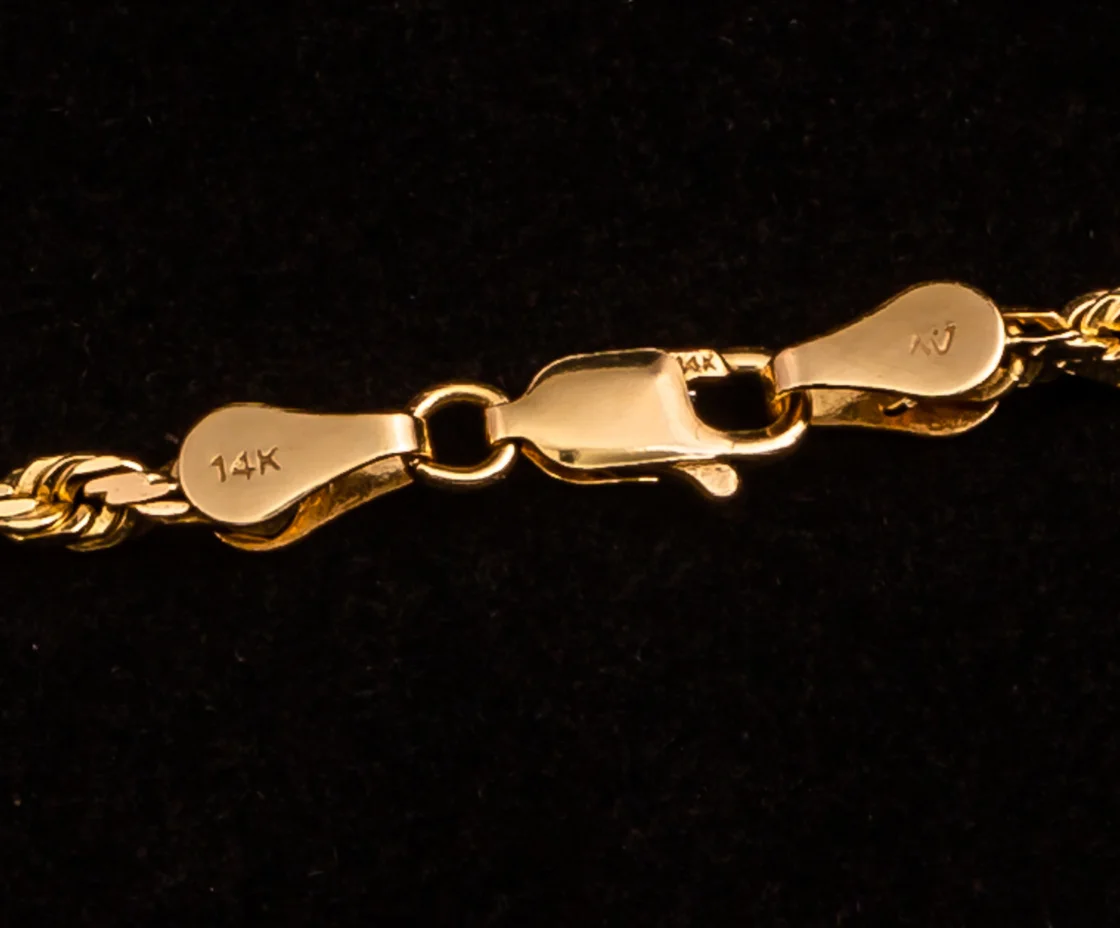
Look for the hallmark, a small stamp indicating the karat, which will be somewhere on the piece. A true, 14K solid gold piece will feature a stamp that says “14K”, “14ct”, “585”, or “583”.
If there are any other letters after it, it could indicate it is not solid gold. A “GP”, “GEP”, or “GF” could indicate gold plating, gold electroplating, or gold-filled, which means the piece only contains a small layer of gold over a lesser metal.
Next, weigh the piece accurately. A small kitchen scale or postage scale will work fine for this, as long as it can weigh in smaller increments, such as grams.
If combining several pieces, sort them into piles of the same karats, being careful not to combine them, as the different karats contain different amounts of gold.
Next, decide how to sell the piece. If it is a designer piece, in high demand, or a vintage piece with resale potential, consider selling on a peer-to-peer platform, through a concierge service, or at auction. Buyers in these locations may be willing to pay over the melt value for a piece they consider special.
If the pieces are damaged, out of style, or the need for quick cash outweighs the potential for a higher sale, consider selling to precious metal buyers. Local options include cash-for-gold buyers, jewelers, or coin shops. These typically offer quick payouts, and the gold content in the piece determines the value. Selling here may require negotiation, and offers vary from place to place, with pawn shops notoriously paying the least. Compare a few offers before deciding on a buyer to ensure they meet all of your needs.
Selling 14K Gold to The Alloy Market
For a simple, no-pressure way to sell 14K gold from the comfort of your home, sell with The Alloy Market. We offer upfront estimates when you use our calculators, so you know the actual value of your pieces before you sell.

Request a free evaluation kit to be shipped directly to your door. Inside, use the postage-paid parcel to pack up your jewelry and ship it to us. We’ll pay for the insurance and tracking while your items are in transit, so you know they are safe. When they arrive, our team of professionals will evaluate your pieces and send you a detailed, no-obligation offer.
When you accept, we initiate payment on the same business day. Join the number of happy customers who have made Alloy their go-to precious metal buyer.


