What to Do With a Wedding Ring After Divorce: 9 Key Things to Consider

Deciding what to do with a wedding ring after divorce is a personal process that involves balancing legal rights, financial opportunity, and emotional closure. In 2026, more people seem to be moving away from “holding on” to the past and toward reclaiming their next chapter and taking control of what comes next.
Some choose to sell their jewelry for a fresh financial start, repurpose center stones into “divorce rings,” or donate to a meaningful cause. Whatever the choice, here are 9 key things to consider before deciding what to do with a wedding ring after a relationship has ended.
In a nutshell
Deciding what to do with a wedding ring after divorce comes down to balancing legal, financial, and emotional factors. Here are the key considerations:
Legal ownership: Determine who legally owns the ring before making any decisions
Financial value: Understand appraisal vs. resale or scrap value
Selling options: Compare platforms like local buyers, online services, or consignment
Repurposing: Transform the ring into a new piece or “divorce ring”
Emotional readiness: Take time to process before making a decision
Tax implications: Be aware of potential capital gains, though they are uncommon
Etiquette: Consider social expectations around returning or keeping the ring
Donation: Give the ring a second life by supporting a meaningful cause
Storage: Secure the ring safely if you’re not ready to decide
Read more in each section below.
Legal Rights: Who Actually Owns the Ring?
Before anyone sells, donates, or alters their wedding ring, it’s important to confirm ownership. In most jurisdictions, an engagement ring is considered a completed gift once the marriage takes place, making it the recipient’s “separate property.” However, a wedding ring given during the ceremony may be treated as a “Marital Asset”, meaning its value could be subject to division, unless otherwise agreed upon.
In cases of failed engagements, many courts are moving away from “fault-based” analysis when determining ownership. A 2024 Massachusetts Supreme Judicial Court ruling in Johnson v. Settino “overturned a rule that required judges to decide who is at fault for an engagement ending.” according to CBS.
“We now join the modern trend adopted by the majority of jurisdictions that have considered the issue and retire the concept of fault in this context; where, as here, the planned wedding does not ensue, and the engagement is ended, the engagement ring must be returned to the donor regardless of fault,” wrote Associate Justice Dalila Argaez Wendlandt in the decision.
For those wondering how their state approaches these cases, stay tuned for Alloy’s upcoming article, 2026 Guide to State-by-State Ring Ownership Laws.
Financial Value: Appraisal vs. Scrap Value

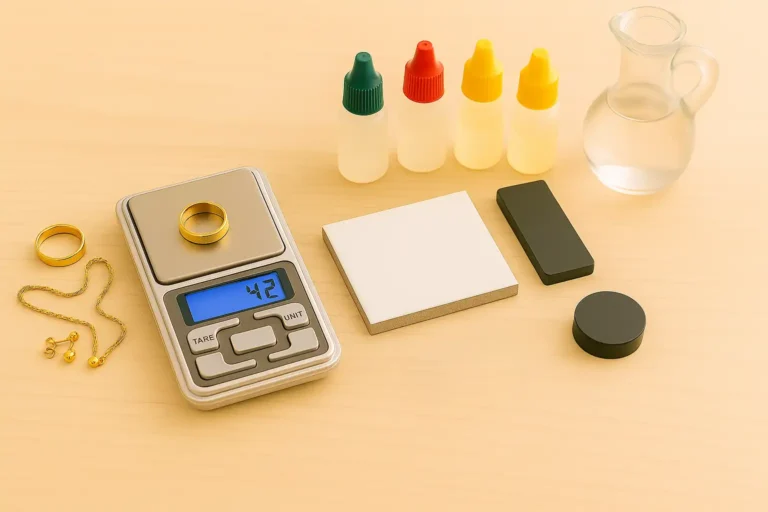
For those considering selling their ring, the first step is understanding its value. Many choose to obtain a professional appraisal, while others opt for a simple evaluation to better understand the ring’s resale potential.
Professional appraisals provide a replacement value and don’t necessarily reflect what a ring will sell for on the secondary market. They are especially useful for insurance purposes or in the event of an ownership dispute. Most appraisals cost between $75 and $150 and are typically completed by an independent gemologist.
For those primarily interested in resale value, a professional evaluation may be more practical. Local jewelers and estate appraisers can often provide a price closer to what the ring might realistically sell for. This approach is especially useful for rings with larger diamonds or in-demand designs. For more on this topic, visit Where to Get Jewelry Appraised for Free.
Rings with diamonds under 1 carat often carry less value on the secondary market. As a result, many owners choose to “scrap” their ring, selling it primarily for its precious metal content.
Buyers weigh the ring, assess its purity, and calculate its value based on current market prices, then offer a percentage of that melt value. These transactions are typically quick, with many safe selling options available.
Those evaluating their timing can read more in Is Now a Good Time to Sell Gold Jewelry.
Resale Markets: Choosing Your Platform

People looking to sell their wedding rings are no longer limited to local pawn shops. Today, several primary avenues have emerged, each with different tradeoffs in price, speed, and convenience:
- Local jewelry buyers: In-person shops that offer quick payouts, though pricing can vary widely.
- Pawn shops: Fast and accessible, but often offer the lowest prices due to resale risk.
- Online gold and jewelry buyers: Mail-in services that can offer competitive pricing with added convenience.
- Consignment shops: Potential for higher resale value, but sales can take weeks or months.
- Peer-to-peer marketplaces: Selling directly to a buyer may yield more, but requires time, effort, and risk management.
For a detailed discussion, visit How to Sell a Wedding Ring: A Step-by-Step Guide.
Repurposing: The Rise of the “Divorce Ring”
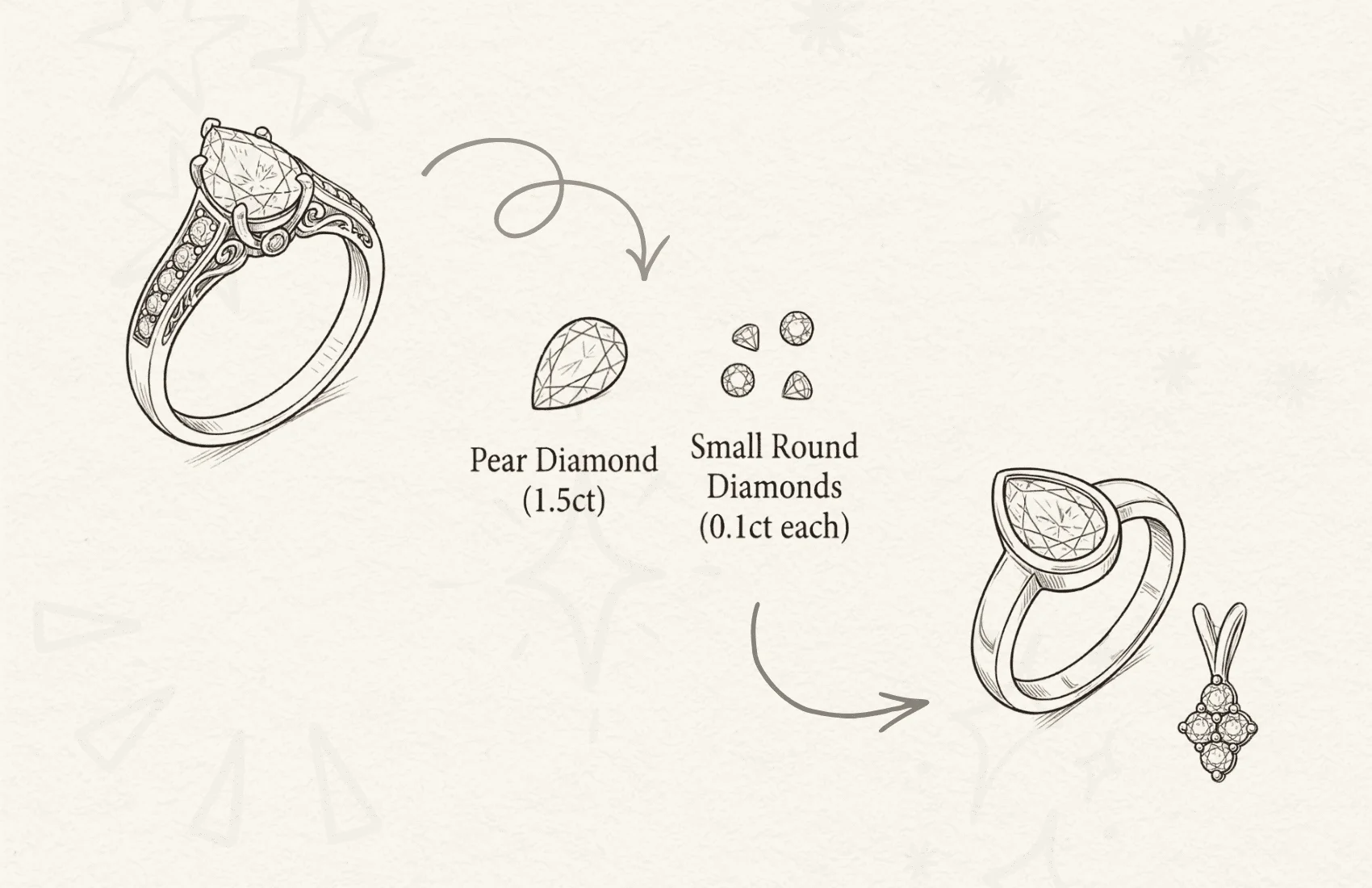
A new trend gained attention in 2024 when model and author Emily Ratajkowski shared two new rings, previously set together as one, on Instagram. Since then, the “divorce ring” has grown in popularity, offering a way to reclaim independence and mark a fresh start.
Some women, rather than selling their diamonds at a loss, are choosing to repurpose their gemstones into statement cocktail rings or even a pair of earrings. Others prefer to purchase an entirely new piece of jewelry rather than “holding onto the past.”
Whatever path is chosen, there are many ways to mark a turning point. Increasingly, modern women are redefining how they express independence and empowerment through jewelry.
To learn more about this trend, stay tuned for our upcoming in-depth article on divorce rings.
Psychological Impact: Rituals for Letting Go
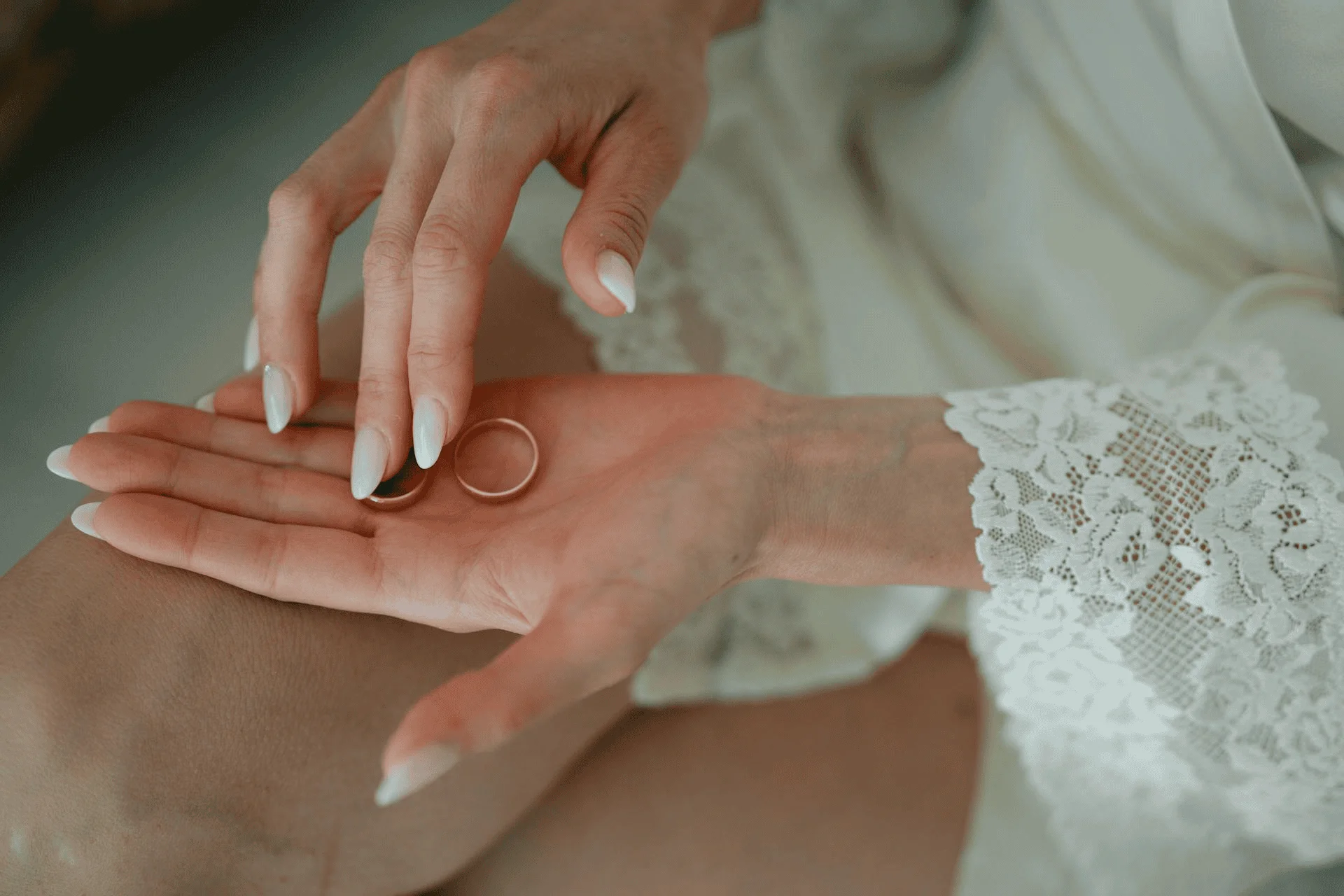
A wedding ring is just one of many decisions people face during and after a divorce, but it’s often one of the most emotionally significant. Throughout the relationship, it served as a symbol of unity and commitment, making it especially difficult to decide what to do with it once that chapter ends.
It’s important to allow time to grieve and process the emotions that come with a major life transition. There’s no need to rush into a decision until it feels right.
Some people choose to navigate this period through “letting go” rituals or other forms of self-care. In many cases, these practices include the wedding ring itself. For some, using a meaningful object as part of the healing process can provide a sense of closure and help mark a turning point.
For expert perspectives on this topic, read our upcoming article, The Psychology of Letting Go: Expert Tips on Moving On.
Tax Implications: The 28% Rule

For tax purposes, wedding rings are generally classified as collectibles. This distinction affects how any potential profit is taxed. The difference between the cost basis, typically the original purchase price regardless of who bought it, and the sale price determines whether a gain exists.
Any profit from the sale of personal jewelry may be subject to a collectibles capital gains tax rate of up to 28%. Because jewelry is considered personal-use property, any loss on the sale cannot be deducted for tax purposes.
In most cases, engagement and wedding rings sell for less than their original purchase price due to retail markups. While this can be frustrating, it also means most sellers do not incur capital gains taxes on the sale.
For a more detailed breakdown, see How Much Gold Can I Sell Without Reporting?
Etiquette: Should You Return the Ring?
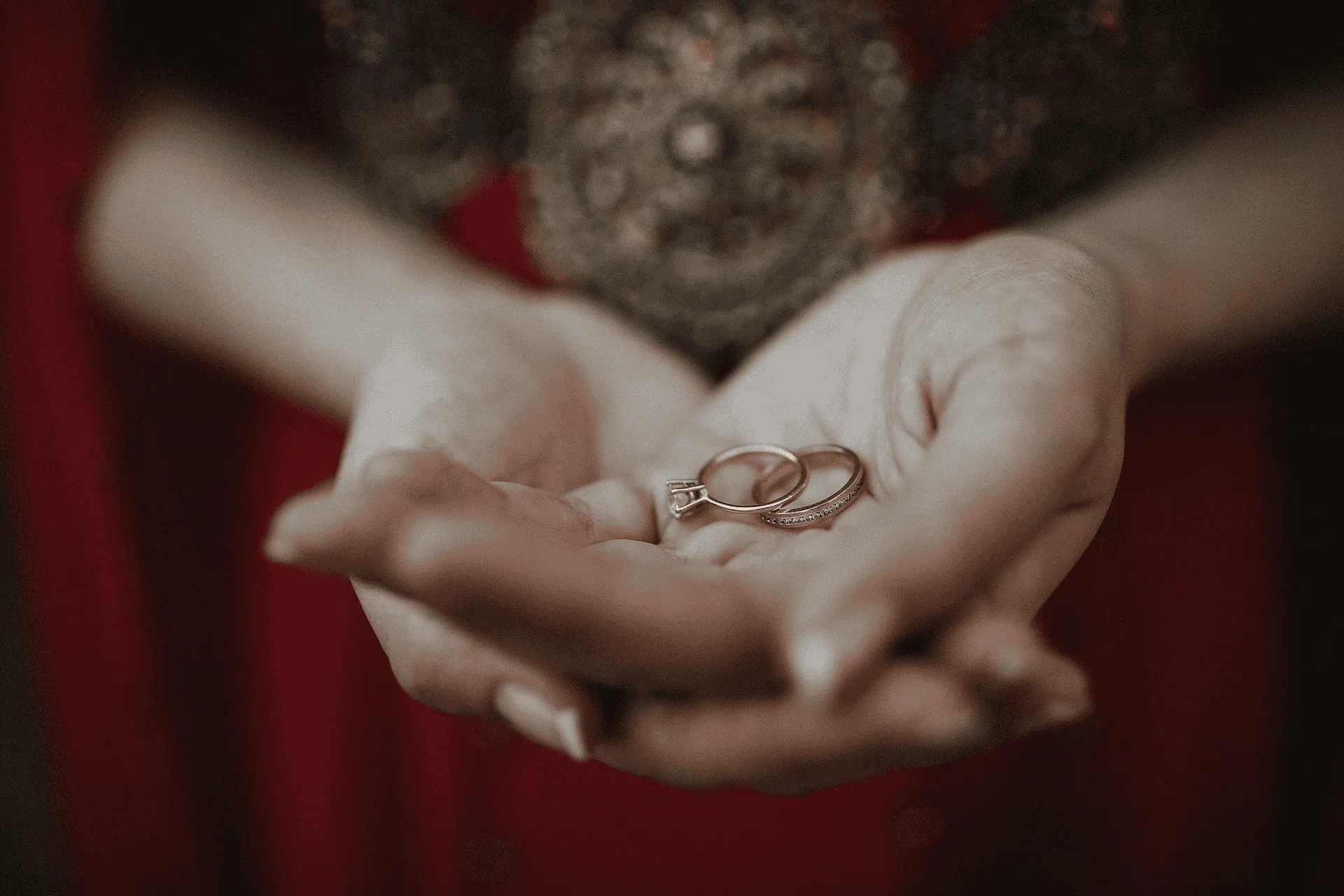
While it’s important to follow the law regarding ring ownership after parting ways, many people also wonder about the etiquette. Should someone return a ring after a divorce? What about after a breakup?
Many believe the ring represents a promise to marry, and that if the engagement is called off, the person who ends it should return the ring to the giver. Where opinions begin to vary is when circumstances like infidelity are involved.
Some feel that if one partner is unfaithful, the other should keep the ring, even if they are the one who ends the relationship. In this view, the infidelity represents a breach of the agreement, and the ring becomes a form of compensation.
Another common consideration involves family heirlooms. If the ring has been passed down within a family, many believe it should remain with that family rather than be kept by the recipient.
Ultimately, etiquette in these situations tends to depend on personal values and circumstances, and what feels right can vary from person to person.
For more discussion on public opinion, stay tuned for our upcoming article Who Keeps the Ring in Divorce.
Donation: Giving Your Ring a Second Life
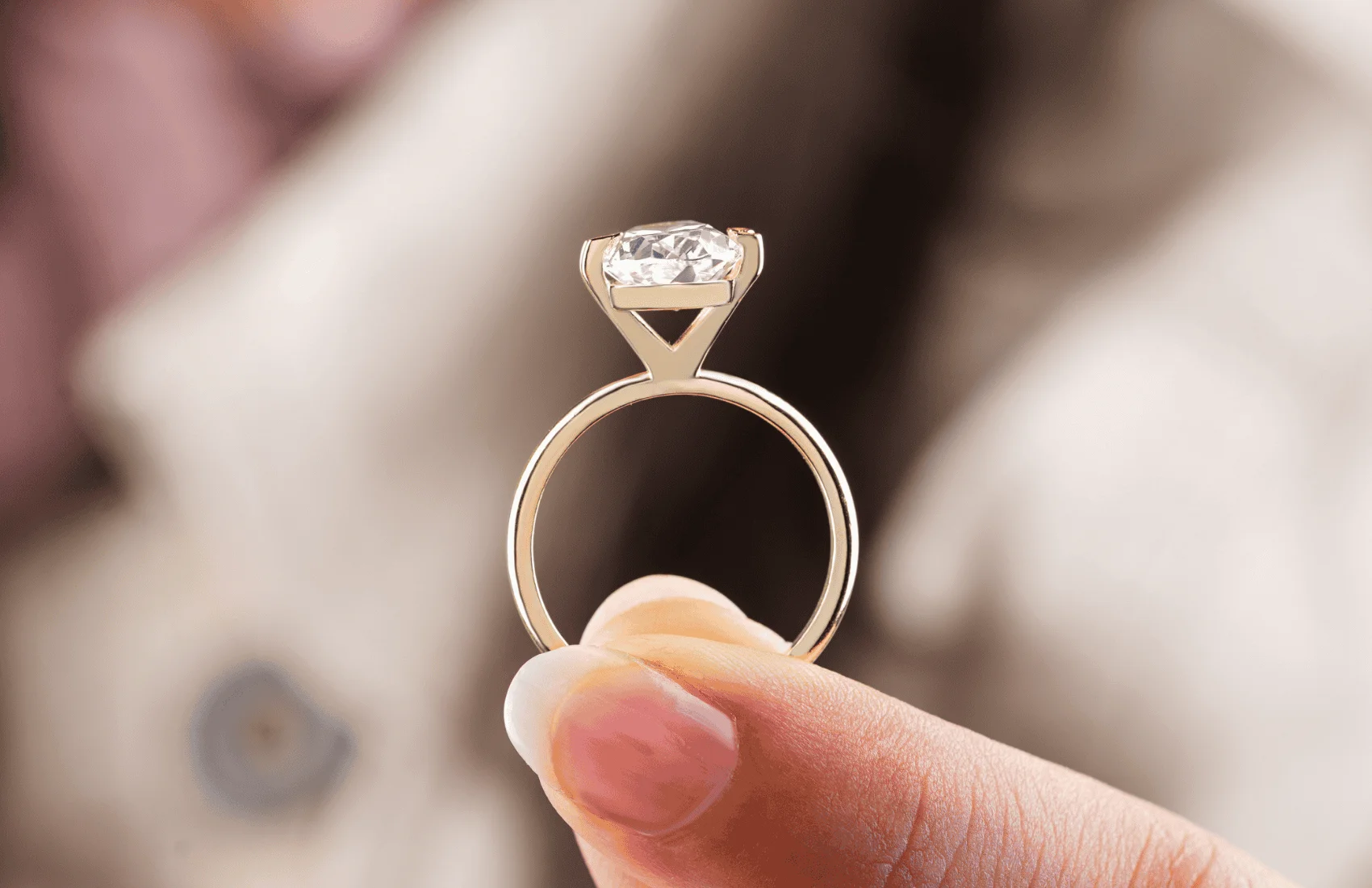
For some people, holding onto a ring after divorce can be a painful reminder of the past. When financial value is not the primary concern, many choose to donate their jewelry to a cause that matters to them, turning a difficult experience into something meaningful.
Many organizations accept jewelry donations for a wide range of causes. Wish Upon a Wedding, for example, is a national nonprofit that grants weddings and vow renewals to couples facing terminal illness or serious health challenges. Jewelers for Children has raised over $65 million to support children facing significant hardships.
No matter the organization, it’s often easy to find a cause that can benefit from a jewelry donation. For those who don’t need the money and prefer not to keep the ring, donation can also offer potential tax advantages while supporting a meaningful mission.
For help finding an organization that accepts ring donations, stay tuned for our upcoming article Reputable Charities That Accept Jewelry Donations.
Storage: How to Safely “Shelf” the Decision
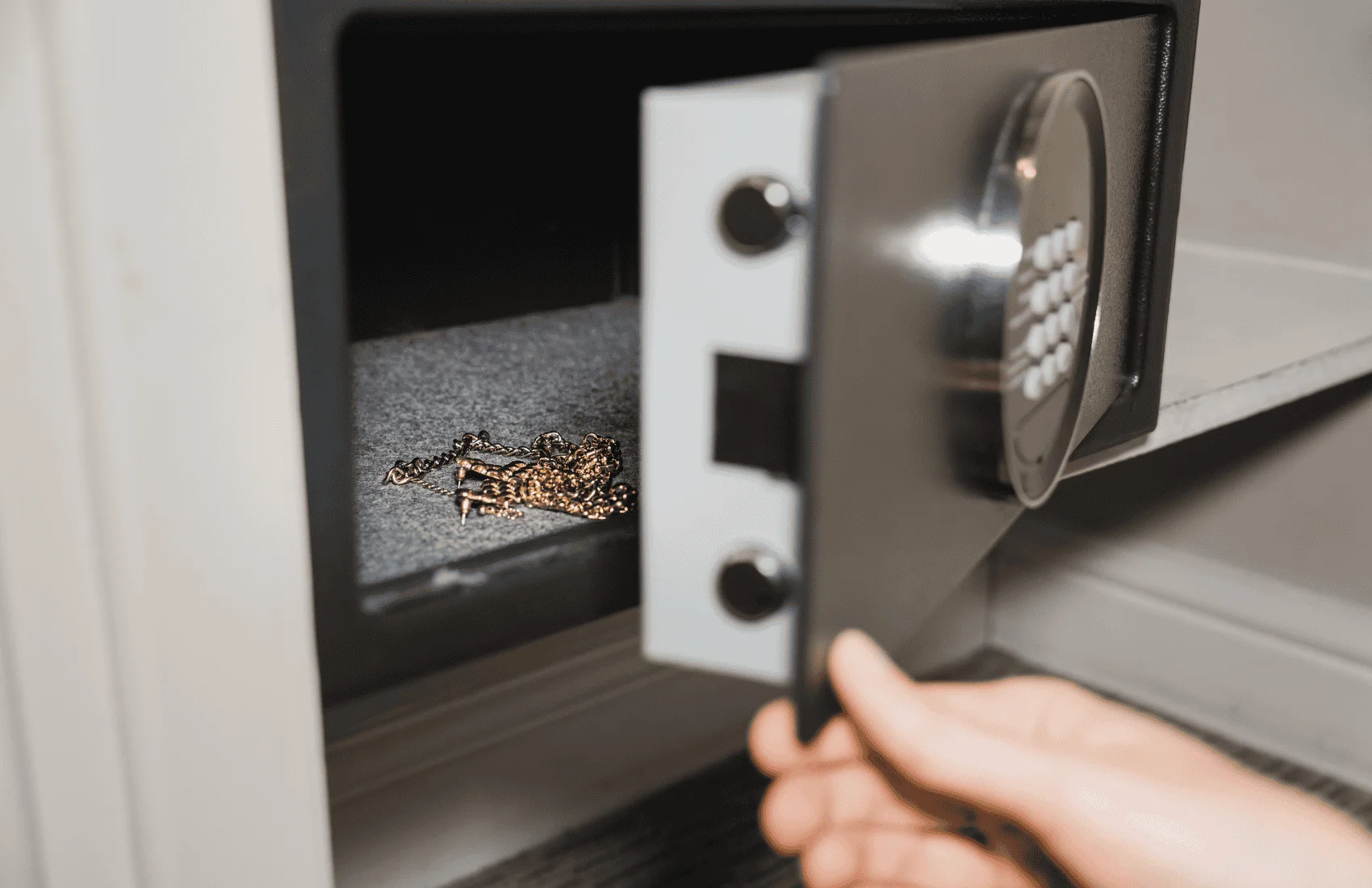
Not ready to decide? Don’t leave a $10,000 asset sitting in a sock drawer. While it’s completely understandable to take time before deciding what to do with a wedding or engagement ring after divorce, valuables should still be properly protected.
First, if the jewelry is not insured, this should be the top priority. Adding a policy for high-value items to protect gold jewelry can be relatively inexpensive and provides important peace of mind.
Next, consider using a bank safe deposit box or a securely bolted home safe to store the ring. This helps ensure it remains protected and doesn’t get lost or misplaced during a stressful transition.
For more information on protecting your jewelry, stay tuned for our upcoming article Best Ways to Store and Secure High-Value Jewelry.
Conclusion: Your Ring, Your Choice

Deciding what to do with a wedding ring after divorce ultimately comes down to balancing practical considerations like value and ownership with what feels right on a personal level. Whether that means selling, repurposing, donating, or simply taking more time, the goal is to choose a path that supports your next chapter, not one that keeps you tied to the past.
When you’re ready to move forward, knowing what your ring is worth can turn a difficult decision into a practical one.
You can start with a quick, no-obligation estimate using our Cash for Gold Calculator, or speak with an Alloy Advisor to explore your options and see what feels right for you.