
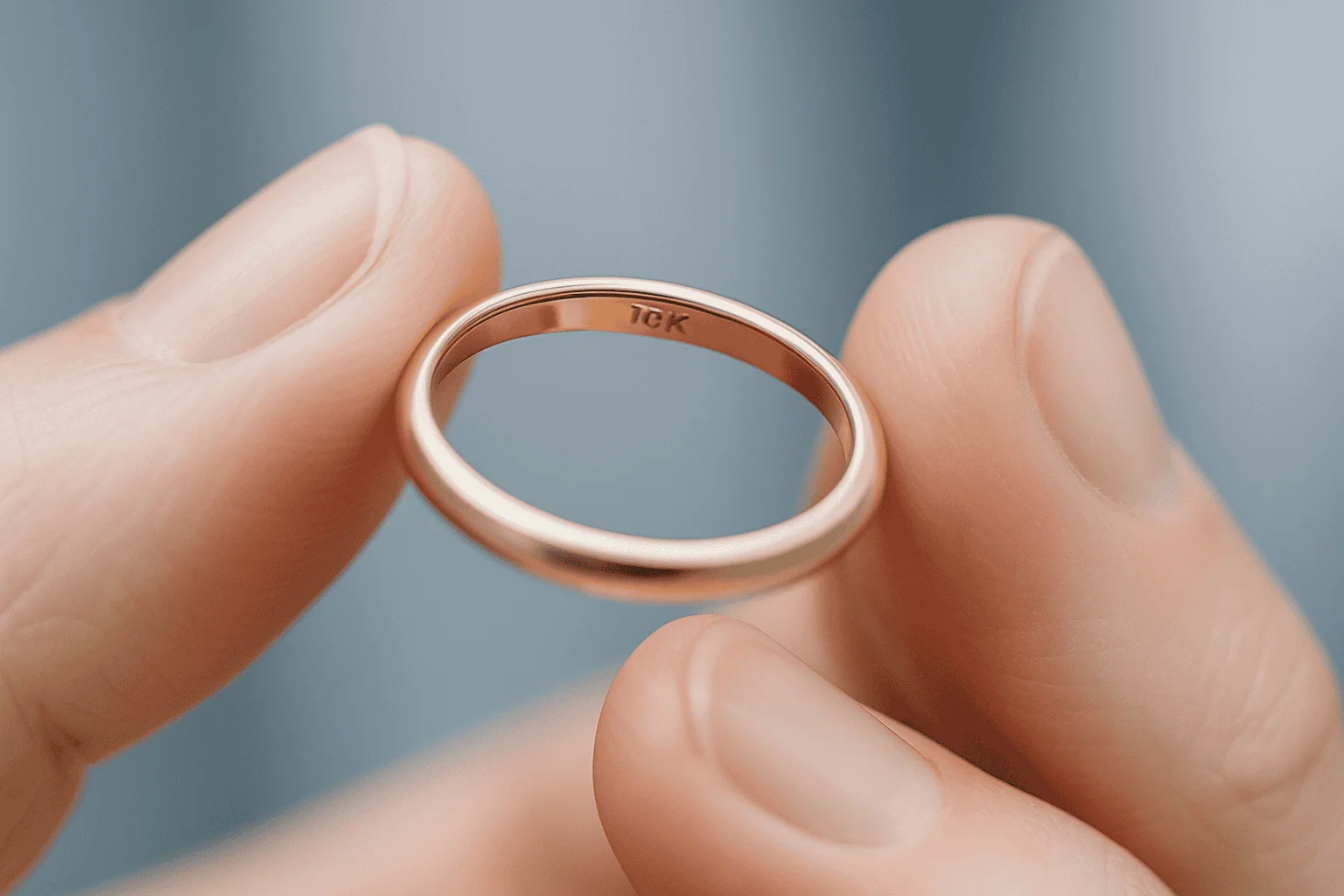
Is 10K Gold Worth Anything?


10K gold is one of the most popular types of gold jewelry in the United States, prized for its durability and affordability. But when it comes time to sell or pawn it, many people wonder: Is 10K gold worth anything?

The short answer is yes. While 10K gold contains less pure gold than higher karats, it still holds value based on its gold content and weight. This guide breaks down what 10K gold is worth, how it compares to other karats, and what one can expect when selling.
In a nutshell
Yes, 10K gold is valuable. It contains 41.7% pure gold, and its value depends on the current spot price of gold and the weight of the piece. There are several options for selling unused or scrap 10K gold, and each buyer pays a different percentage of the total market value of the piece. Understand the current value of your piece so you can negotiate a fair deal.
What Is 10K Gold?
10K gold is an alloy made up of 41.7% pure gold and 58.3% other metals, such as copper, silver, and zinc.

The mix of metals gives 10K gold a paler yellow color compared to 14K or 18K gold. This lighter shade is a trade-off for its increased durability and lower price point. For people who wear their jewelry daily, this toughness is a significant advantage.
The Value of 10K Gold
10K gold is real gold — just with lower purity than 14K or 18K options. The gold content is what gives it value, even if the piece is broken or outdated. Buyers and refiners focus on the metal itself, not the design or condition.
To determine the value of 10K gold, buyers multiply the weight of pure gold in the item by the current market price of pure gold. The higher the karat and the heavier the piece, the more it’s worth.
Tip:
Gold prices fluctuate in response to global market conditions. Use The Alloy Market’s historical price chart to spot trends and identify favorable selling windows.
How much is 10K gold worth?
In November 2025, 10K gold has a melt value of around $53.50 per gram. This spot price varies daily, so always check current rates before selling. The Alloy Market provides real-time pricing tools to help sellers get accurate estimates.
When it comes to different items, such as rings, bracelets, and necklaces, the melt value depends only on the weight, not the type of jewelry. A 10-gram ring has the same melt value as a 10-gram bracelet, if both are 10K gold. Design, brand, and condition don’t matter for scrap pricing since buyers will melt the pieces down.

Pawn shops typically offer between 20% and 55% of the melt value. Professional gold buyers and refiners often pay more — sometimes up to 90% of melt value, especially for larger quantities.

Alloy Buys 10K Gold
Request a free Alloy Kit, ship from home, and receive a same-day offer after evaluation.
Alloy Buys 10K Gold
Request a free Alloy Kit, ship from home, and receive a same-day offer after evaluation.
How Does 10K Gold Compare to Higher Karats?
When comparing gold karats, the question often comes up: What’s worth more, 10K or 14K gold? The answer is 14K gold, because it contains a higher percentage of pure gold than 10K gold. A 10-gram piece of 14K gold will always have a higher melt value than a 10-gram piece of 10K gold.
But value isn’t just about gold content. It’s also about durability, color, and how you plan to use the piece. 10K gold is the most durable option, resisting scuffs better than 14K and 18K gold. It also costs less upfront, making it ideal for everyday jewelry that takes a beating.
Here’s how the three karats stack up:
| Feature | 10K Gold | 14K Gold | 18K Gold |
|---|---|---|---|
| Purity | 41.7% gold | 58.3% gold | 75% gold |
| Durability | Most durable; resists scratches | Balanced strength | Softer; prone to scratches |
| Color | Pale yellow | Richer, warmer yellow | Deep yellow |
| Resale Value | Lowest | Moderate | Highest |
10K Gold
| Purity: 41.7% gold |
| Durability: Most durable; resists scratches |
| Color: Pale yellow |
| Resale Value: Lowest |
14K Gold
| Purity: 58.3% gold |
| Durability: Balanced strength |
| Color: Richer, warmer yellow |
| Resale Value: Moderate |
18K Gold
| Purity: 75% gold |
| Durability: Softer; prone to scratches |
| Color: Deep yellow |
| Resale Value: Highest |
Advantages and Disadvantages of 10K Gold
Like any jewelry choice, 10K gold comes with its pros and cons:
Advantages of 10K gold
- Scratch-resistant
- More affordable (and therefore, accessible)
- Ideal for everyday wear
Disadvantages of 10K gold
- Lower resale value
- Less golden in color
- May cause allergic reactions
Is 10K gold right for you?
10K gold is the right choice for those who value toughness and cost savings over maximum gold content. It’s real gold that can withstand everyday life, making it perfect for wedding bands, work rings, and pieces that people rarely take off.
However, the paler color may not appeal to everyone, especially those who prefer the warm, vibrant yellow of higher karats. People with sensitive skin or nickel allergies may experience irritation from the higher alloy content of 10K gold; in such cases, 14K or 18K might be safer options.
How to Safely Sell Your Gold
Selling gold safely starts with preparation and choosing the right buyer.

Following these steps helps ensure fair offers:
- Know the gold’s value: Check the karat marking and weigh the items in grams.
- Research current gold prices: Use the spot price as a negotiation baseline.
- Get several quotes: Compare offers from at least three buyers.
- Choose reliable buyers: Look for transparency, credentials, and transparent pricing.
- Document everything: Keep receipts and records of the transaction.
Different gold selling options work better for different situations — here’s how to choose the right one:
Online dealers (like Alloy)
Online dealers are ideal when sellers seek convenience, competitive pricing, and transparent transactions. Reputable platforms often pay higher percentages of melt value than pawn shops — sometimes up to 90% — because they operate without the overhead costs of physical storefronts.

Platforms like The Alloy Market allow sellers to get quotes from anywhere, compare offers easily, and ship items with insured, trackable shipping. This option is ideal for those in rural areas without local buyers or for individuals who prefer to handle the sale from the comfort of their own home.

Online dealers also provide access to a larger buyer pool, which can lead to better offers — especially when gold prices are high. Sellers can expect transparent pricing based on current market rates and a fully digital transaction process. Online buyers provide a fast payment turnaround after the item is appraised and accepted.
Online marketplaces
Sellers looking to reach multiple buyers at once should consider online marketplaces for scrap gold, broken jewelry, or common pieces. These platforms connect sellers with various buyers, making it easy to compare quotes without having to visit different locations.

Marketplaces perform exceptionally well when gold prices are high and sellers don’t need immediate cash. The broader audience means more potential buyers, which can drive up offers — particularly for items with unique characteristics or higher demand.
The downside to an online marketplace is that the sale could take months. Sellers must manage the listing themselves, as well as take images, answer potential buyer questions, and ship items.
Local dealers
With local dealers, sellers can walk in with gold and leave with payment the same day. This option eliminates shipping risks and allows face-to-face negotiation, which can sometimes lead to better offers.
In-person sales also allow sellers to observe the weighing and testing process, adding an extra layer of transparency and trust. Local dealers are often the best option for individuals residing in areas with reputable coin shops or jewelry buyers that offer competitive rates without the wait time associated with online transactions.
Collectors and investors
Collectors and investors pay premiums for gold items with a value exceeding their melt price — rare coins, limited-edition pieces, or designer jewelry from renowned brands like Tiffany & Co. or Cartier. These buyers prioritize rarity, historical significance, craftsmanship, and condition over the gold content alone.

This option is suitable when items have documented authenticity, provenance by a designer, or historical significance. Sellers should consider this route when they can wait for the right buyer and want to achieve maximum value beyond scrap pricing.
How to Sell Your 10K Gold with The Alloy Market
If you have some 10K gold pieces you’re looking to sell, The Alloy Market wants to become your trusted go-to gold buyer. We provide free, no-obligation evaluations when you request our Alloy Kit. It ships right to your door. Inside, you’ll find a postage-paid parcel to pack up your items and ship directly to us. Alloy covers insurance and tracking, so you know your items are safe in transit.
Once they arrive, our team tests and weighs your items right away using professional-grade testing methods and state-approved scales. We’ll send an offer for your approval, and if you accept it before 5 PM, we’ll issue your payment on the same day. Join the countless others who rave about The Alloy Market and request your kit today!


