
14K vs. 18K Gold: What’s the Difference and Which One Is Better?


When it comes to fine jewelry, 14K and 18K gold are two popular choices for rings, necklaces, and everyday pieces. In the comparison between 14K vs. 18K gold, which one is better?
Some people assume a higher karat means better quality, but that’s not always true. The “better” option depends on budget, how someone will wear the piece, and whether resale value matters years from now. This guide compares both to help buyers make the right choice for their situation.
In a nutshell
14K gold is more durable, less expensive, and ideal for everyday wear. Meanwhile, 18K gold jewelry has a deeper color and holds more resale value because it contains more pure gold.
What’s the Difference Between 14K and 18K Gold?
| 14K Gold | 18K Gold | |
|---|---|---|
| Gold purity | 58.3% pure gold | 75% pure gold |
| Gold content by weight | Lower gold content per gram | Higher gold content per gram |
| Color richness | Lighter gold tone | Richer, deeper gold color |
| Intrinsic metal value | Lower intrinsic gold value | Higher intrinsic gold value |
| Common use cases | Everyday fine jewelry | Luxury and high-end jewelry |
| Market positioning | Practical and value-focused | Premium and luxury-oriented |
| Global popularity | More common in the United States | More common internationally |
| Color aging over time | Color remains relatively consistent | Develops a richer patina over time |
| Stamp markings | 14K, 585 | 18K, 750 |
The main difference is the amount of pure gold in the piece. 14K gold is 58.3% pure gold mixed with 41.7% other metals. 18K is 75% pure gold and 25% alloys. That mix determines the color, how the jewelry wears over time, and its worth when someone sells it later.
Did you know?
Manufacturers add alloys because pure 24K gold bends and scratches too easily for everyday wear. Metals like copper, silver, zinc, and palladium strengthen the gold and change its color — copper creates rose gold, while other blends produce white gold.
14K vs. 18K Gold Durability and Everyday Wear
The higher alloy content in 14K gold makes it tougher, while 18K’s lower alloy content makes it softer and shows wear faster. But both can last a lifetime with proper care.
Here’s how the two compare:
| 14K Gold | 18K Gold | |
|---|---|---|
| Scratch resistance | Higher | Lower |
| Bending and denting | Less prone | More prone |
| Prong durability | Holds stones securely with less wear | Prongs may wear down faster |
| Maintenance needs | Requires less frequent polishing | Needs more careful handling and care |
| Best for | Rings, bracelets, everyday pieces | Occasional wear, statement jewelry |
14K or 18K Gold for Engagement Rings

Engagement rings get more wear than most jewelry. They stay on during handwashing, typing, workouts, and sleep, so the metal needs to withstand constant contact while keeping the stone in place.
That’s why jewelers often recommend 14K to those with active lifestyles. It holds up to scratches better and keeps prongs tight. But plenty of couples still pick 18K for the fuller color or because more gold feels meaningful for a ring this symbolic, even though it needs gentler care.
14K vs. 18K Gold Color Differences
More gold usually means richer color, but the specific metals mixed in make a big difference, too.
Here’s what that looks like with yellow, white, and rose gold:
14K vs. 18K yellow gold
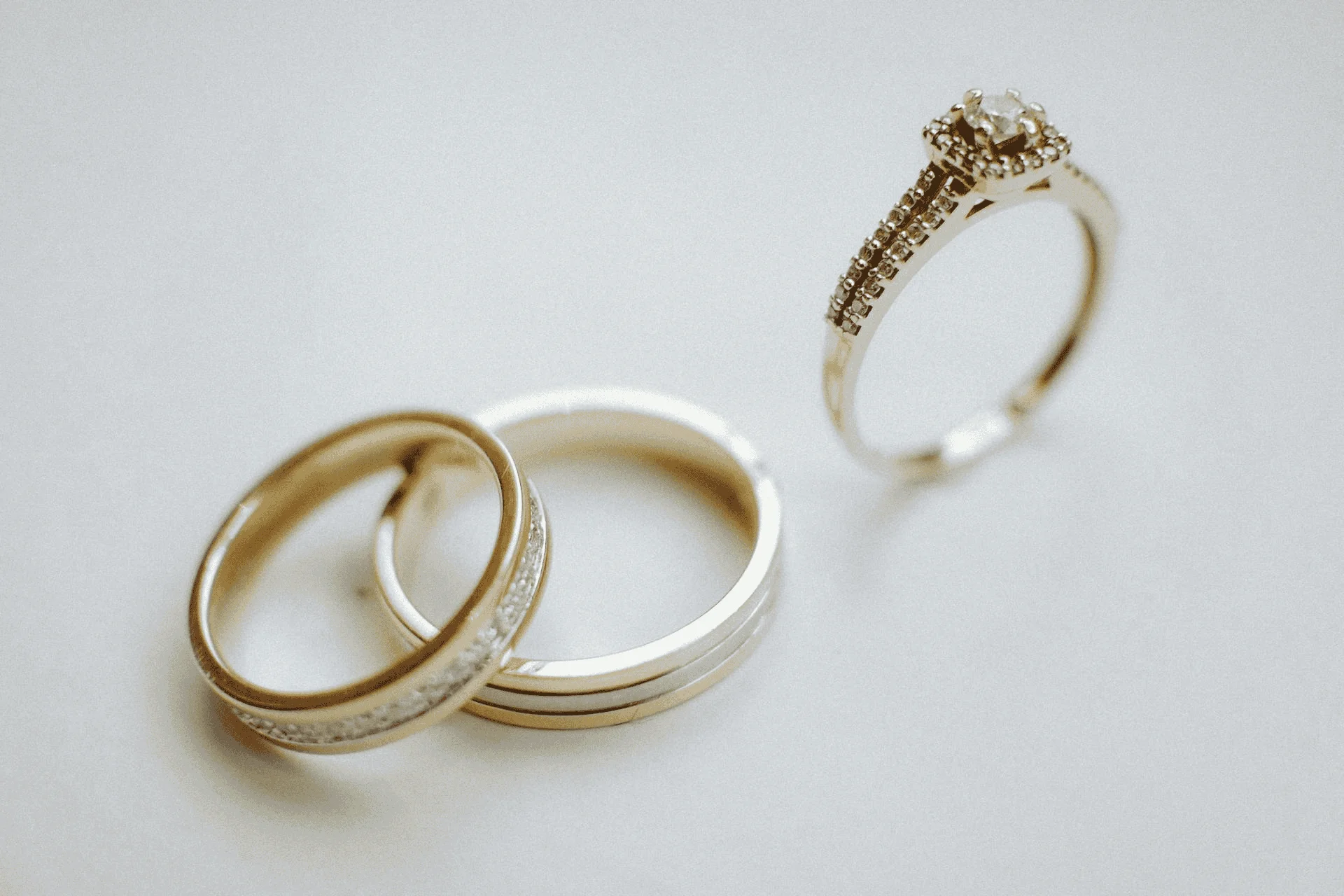
Warmth and saturation are the most noticeable differences in yellow gold. 18K has an intense, buttery tone that looks traditionally luxurious, while 14K appears lighter and more modern.
14K vs. 18K white gold
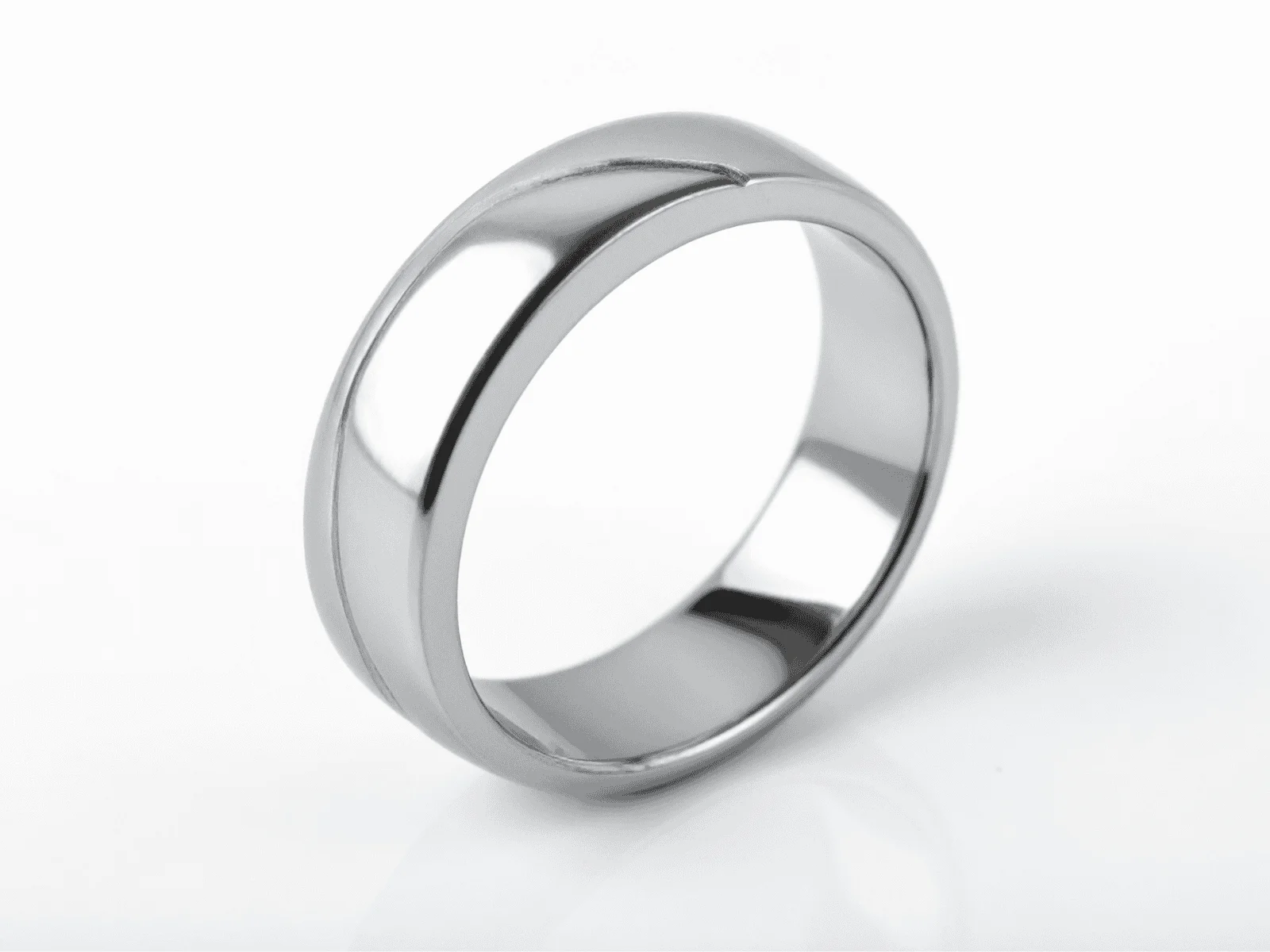
White gold gets its color from alloy metals like silver, palladium, or nickel mixed with naturally yellow gold. 18K white gold tends to have a warmer undertone, while 14K gold appears brighter and cooler.
Most white gold jewelry is rhodium-plated, which gives both 14K and 18K a brilliant, uniform white finish. This plating makes them look nearly identical at first glance, though the 14K version is more durable underneath.
14K vs. 18K rose gold

Copper content determines the shade of rose gold. 14K has more copper, giving it a bolder, pinker look that works for statement pieces. 18K has less copper and more pure gold, so it reads softer and more peachy, making it better for something understated.
Skin Sensitivity and Allergic Reactions

Metal allergies occur when certain alloys trigger irritation, such as redness, itching, or rashes. Since 14K contains more alloy metals than 18K, there’s a higher chance of a reaction.
However, the alloy blend matters more than the karat. Many people wear 14K gold daily without issues, especially if it’s nickel-free. 18K gold contains fewer alloys overall, making it a safer bet for anyone with known sensitivities.
14K vs. 18K Gold Price Difference
18K gold costs more than 14K gold because there’s simply more gold in it. The price difference gets bigger with heavier jewelry; a chunky bracelet will show a much wider gap than delicate earrings. On top of the gold itself, retail prices account for design work, labor, brand name, and store overhead.
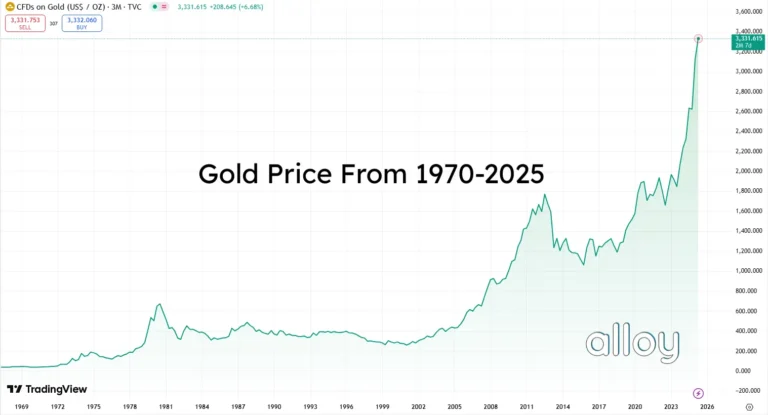
Here’s how current gold prices affect both options:
Is 14K or 18K Gold More Valuable Long Term?

For anyone who might sell or upgrade jewelry down the line, 18K gold is the better long-term bet. It has a higher melt value, which is the price buyers pay for the raw gold alone. Brand names and intricate designs don’t add much at resale, so the extra gold content is what drives a higher payout.
If You Ever Decide to Sell Your Gold Jewelry

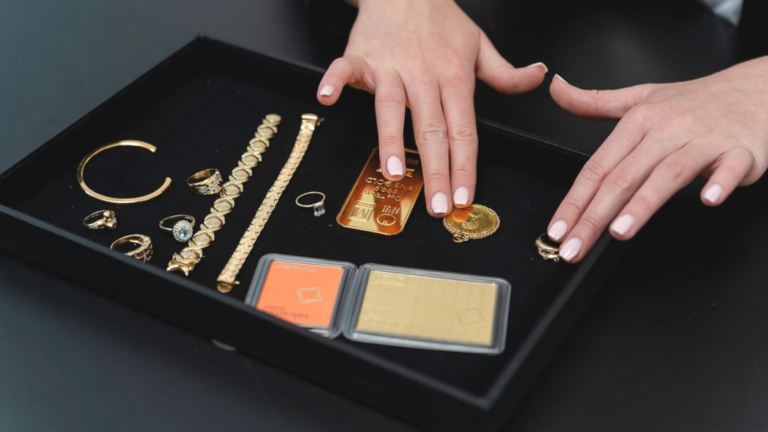
People sell gold jewelry for all sorts of reasons. Perhaps they’re upgrading an engagement ring, downsizing a collection, or covering an unexpected expense. Whatever the situation, knowing the karat and weight helps sellers understand what they’re working with and what to expect.
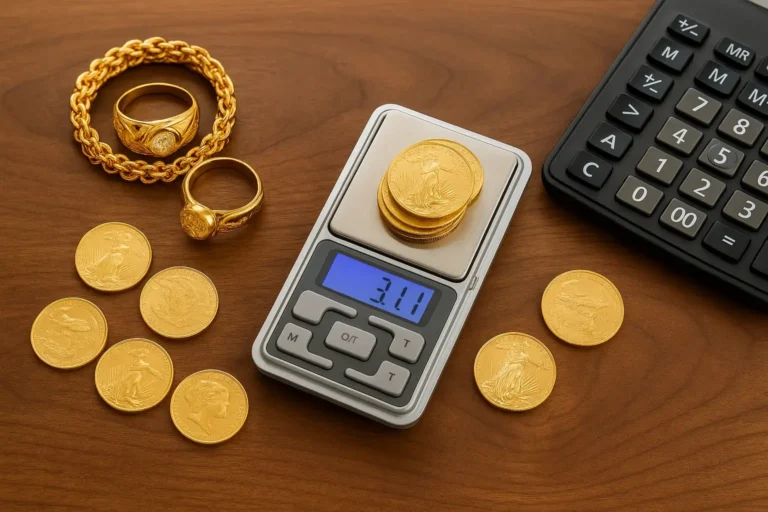
Karat indicates purity, and weight indicates how much gold is physically in the piece. Buyers use both to figure out what they’ll pay, so two rings that look identical might be worth totally different amounts. Knowing this helps sellers evaluate offers and recognize when pricing is fair.
Sell Your Gold Jewelry with The Alloy Market
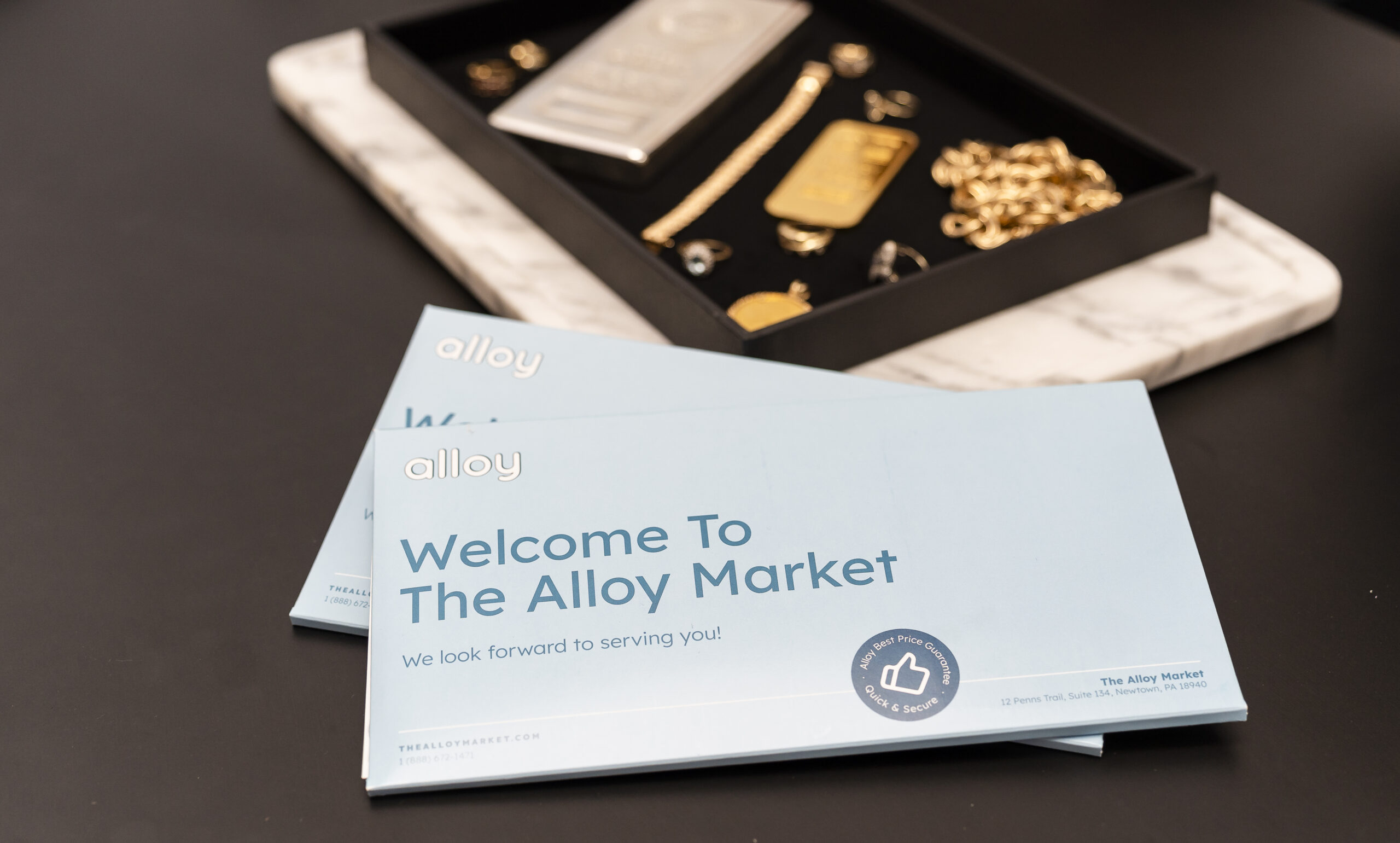
If you have 14K or 18K gold jewelry you’re ready to part with, The Alloy Market makes the process easy. Request a free evaluation kit, and it ships to you with everything needed to send your pieces in safely: prepaid labels, full insurance, and tracking included.
After the package arrives, the team appraises each piece based on weight and purity. Then, you’ll receive a detailed offer showing how the gold content translates to the payout, with pricing tied to current market rates.