Why Is Gold Jewelry So Expensive? The Breakdown of Value


Anyone who’s shopped for a gold necklace or ring lately has likely experienced sticker shock. The number on the tag often bears little resemblance to the spot price (live trading price of raw gold). That disconnect can be confusing, especially for first-time buyers trying to figure out what’s fair.
Why is gold jewelry expensive? It’s a combination of three things: the cost of the raw metal, the craftsmanship behind each piece, and the scarcity of gold itself. This guide unpacks how each shapes the final price, and what that means for buyers and sellers today.
In a nutshell
Jewelry sells for more than its gold value because businesses must account for additional expenses incurred in manufacturing each piece, including design, production, marketing, and other business overhead. Purchasing new jewelry will always incur a markup over the gold value. Buyers can avoid paying excessive markups by purchasing pre-loved jewelry, which generally sells at a much lower premium than brand-new. This also means that, when selling pre-owned jewelry, sellers generally will not recoup the initial premiums charged.
The Raw Truth: Why is Gold Jewelry So Expensive Now?

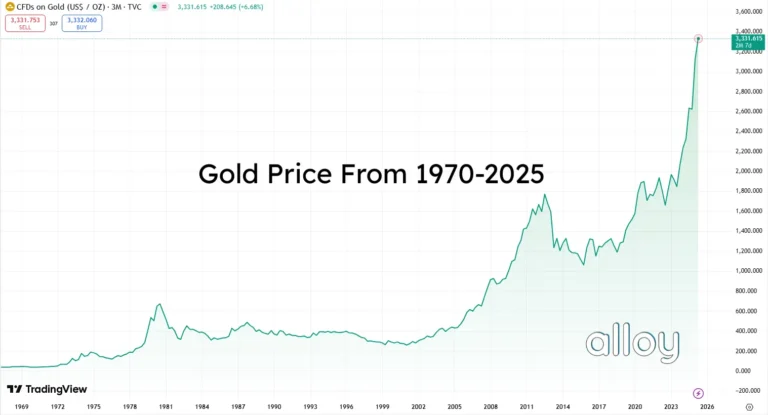
Gold prices have entered what many in the industry call “The Golden Era.” After years of trading in the $2,500 to $2,800 range, the metal pushed past that ceiling and has continued to climb.
Two forces are doing most of the heavy lifting. Central banks (the institutions managing a country’s money supply) have been buying gold in record amounts to hold as reserves. At the same time, rising inflation has weakened the value of paper currency, which makes gold more attractive as a store of wealth.
Global uncertainty adds to the pressure. In times of market stress, investors flock to gold as a reliable place to park their money. As more demand piles in, the spot price climbs. That ripples out to everyone, from hedge funds to couples shopping for a wedding band.
The result is a double-edged sword. Buying new gold jewelry today costs more than it would have a few years ago. But the gold sitting in jewelry boxes is also worth more than it’s ever been.
Gold Jewelry vs. Gold Bars: Why the Price Gap?
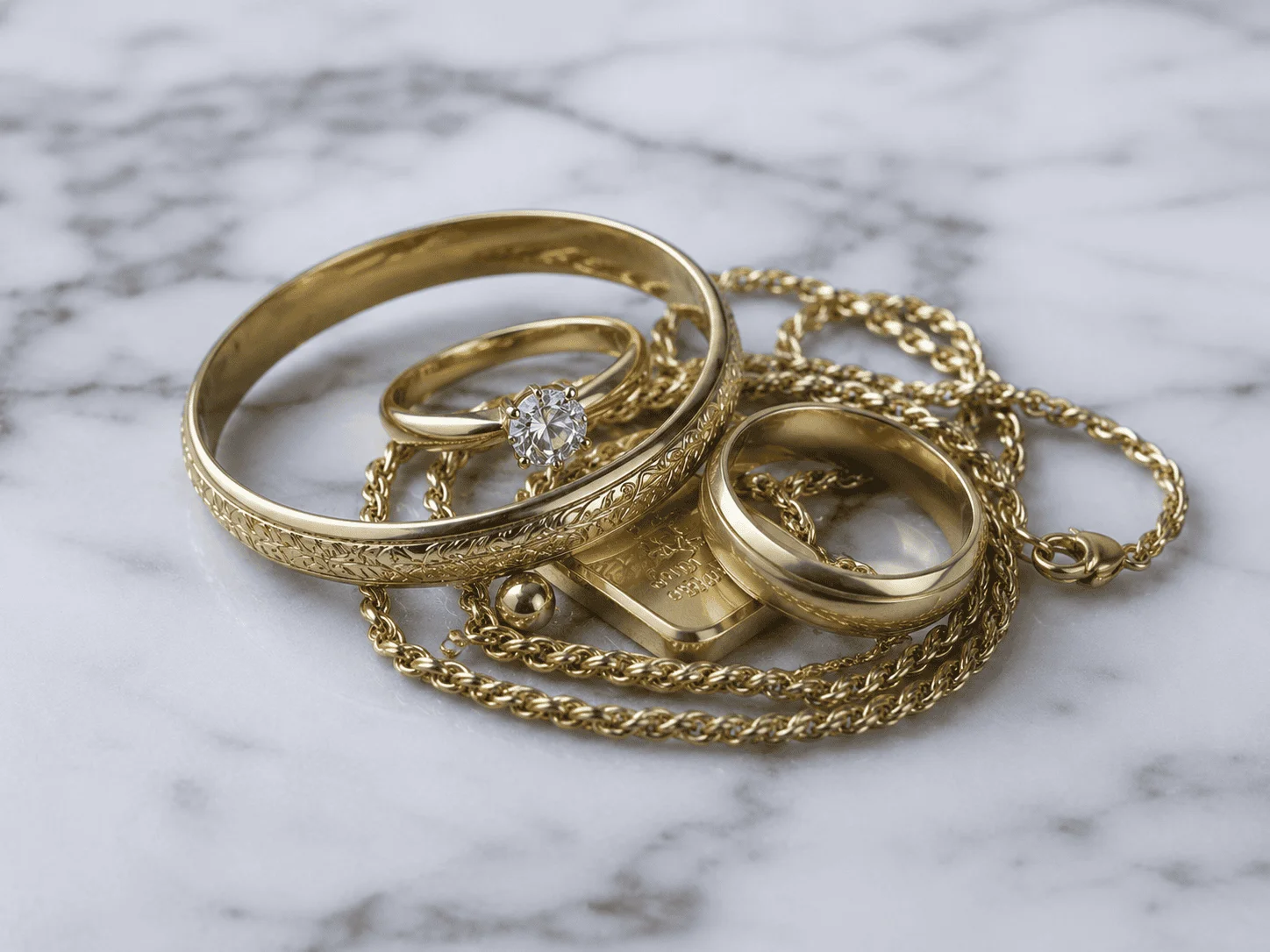
Anyone comparing a gold bar to a gold ring will notice the prices look very different, even gram for gram. A bar sells mostly for what the metal is worth, while a ring carries the cost of everything that goes into making it wearable.
The first step is refining, which brings the gold up to its purest form. From there, jewelers blend pure 24K gold with metals such as copper, silver, or zinc in a process known as alloying. On its own, gold is delicate and bends easily, so the alloy gives it the strength to hold stones and hold up over years of wear.
Once the metal is ready, the actual making begins. Most fine pieces start as a digital 3D design, which jewelers print in wax and then cast in metal using a centuries-old technique called lost-wax casting. After that, a setter places each stone by hand, one at a time; skilled labor that a gold bar doesn’t require.
Fire loss is another cost most shoppers overlook. When jewelers polish, file, or buff a piece during finishing, small amounts of gold dust are released from the metal. To make up for what gets lost along the way, jewelers factor that into the price upfront.
Platinum vs. Gold: Why is Platinum Jewelry More Expensive?
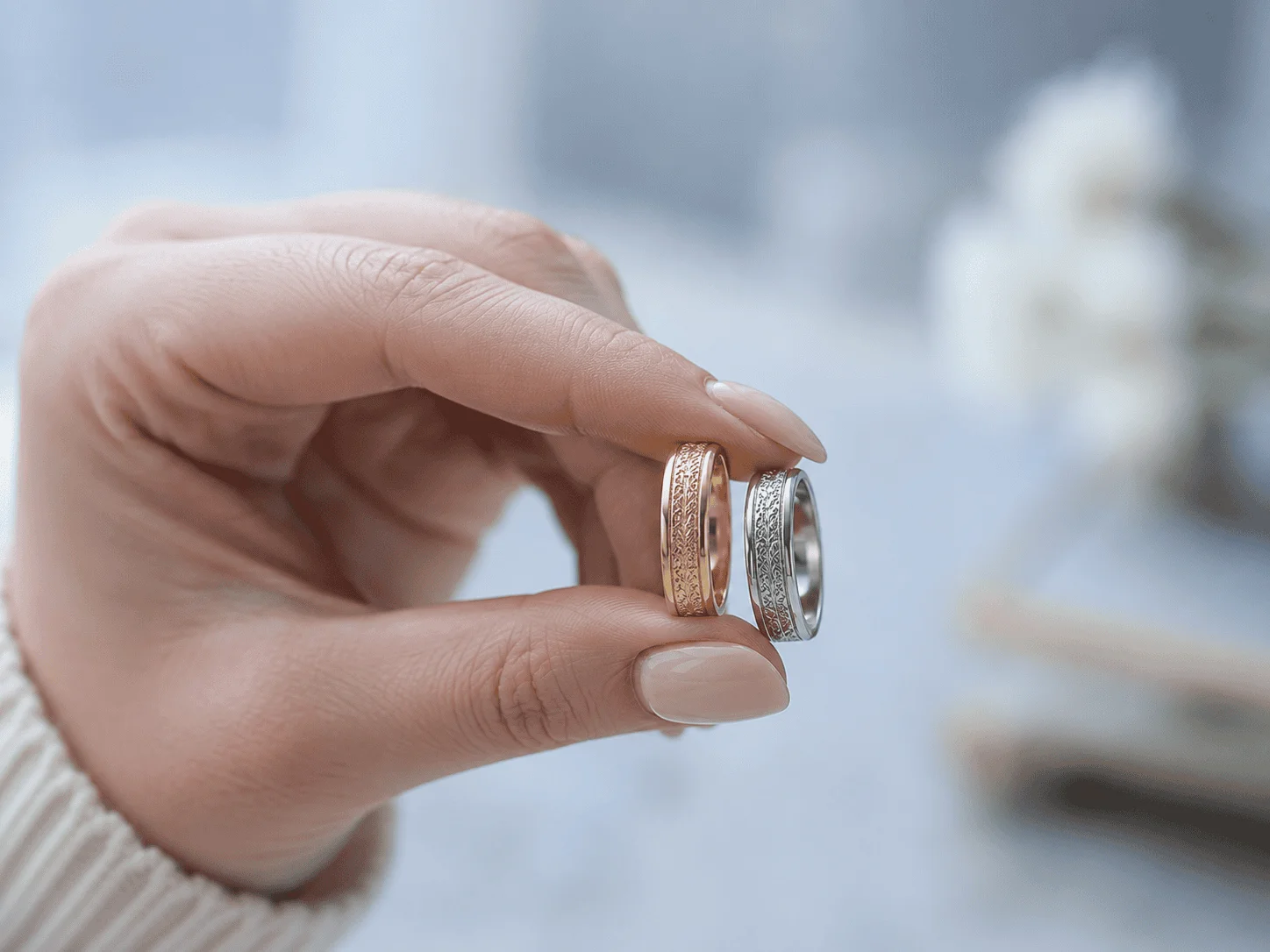
Platinum jewelry usually costs more than gold, even when two pieces look identical.
The price difference comes down to three factors:
- Density: Platinum is much denser than gold. A platinum ring of the same size and design as a 14K gold one will weigh roughly 60% more. And since precious metals sell by the gram, that weight translates into a higher price.
- Melting point: Platinum melts at around 1,768°C, well above gold’s 1,064°C. That higher heat calls for specialized torches. Jewelers also have to keep platinum tools separate from gold ones to avoid contamination, and the work itself takes more bench experience to do well.
- Purity: Most gold jewelry is 14K (58.3% pure) or 18K (75% pure), while platinum jewelry is typically 95% pure. That means buyers are paying for a piece made almost entirely of precious metal.
Which Gold is More Expensive? Karat vs. Color
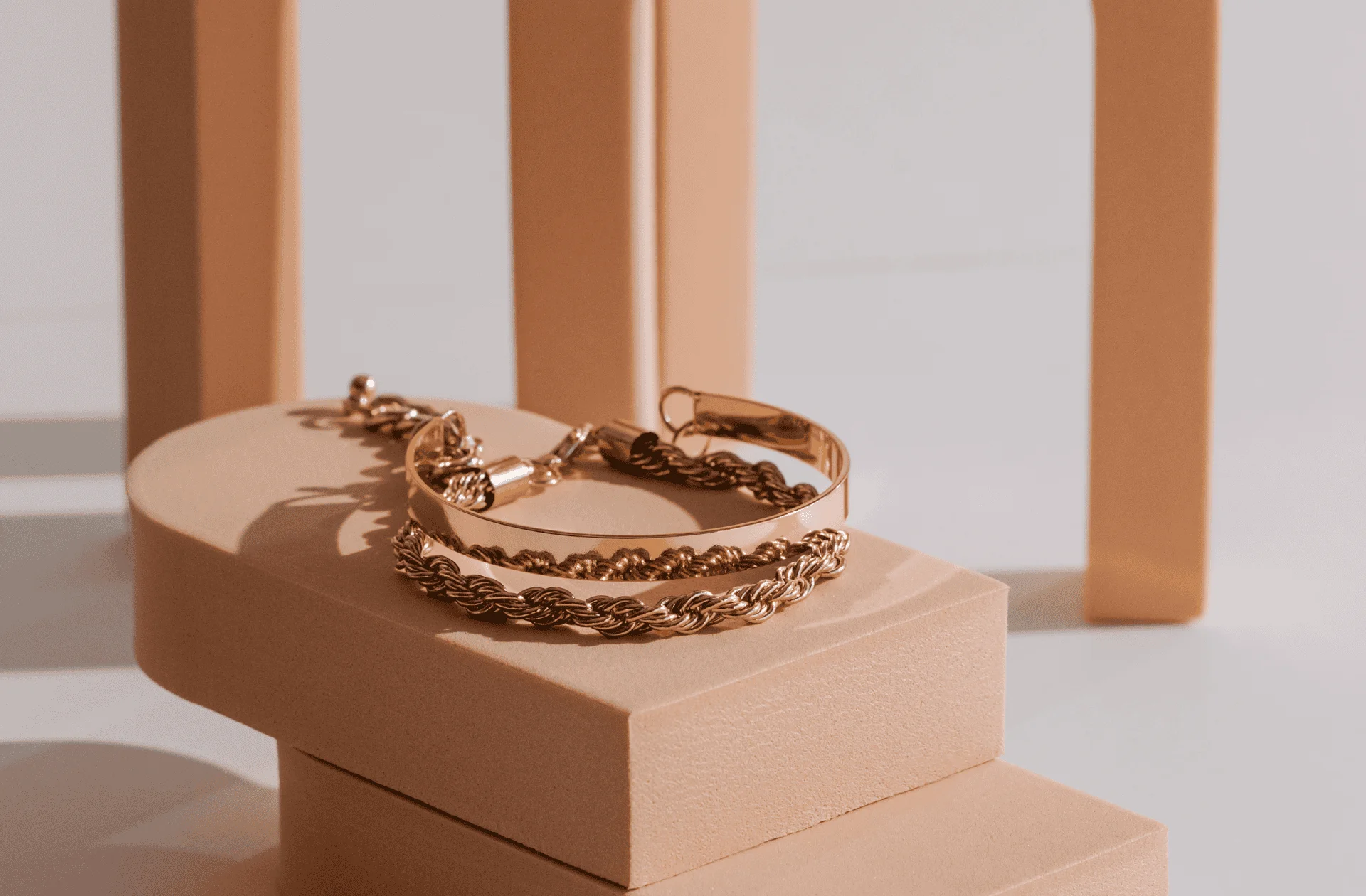
Two factors decide how much a piece of gold jewelry costs: karat and color.
Here’s how each one plays out:
- Karat: Karat measures the percentage of pure gold in a piece. 18K contains 28.6% more pure gold than 14K, which makes it more expensive. The higher the karat, the more precious metal a buyer takes home in the same piece.
- Color: Yellow, white, and rose gold cost the same in raw material at any given karat, because the gold content doesn’t change. White gold tends to run slightly higher, though, because it gets a rhodium plating to achieve that bright, chrome-like finish.
Did you know?
Higher-karat gold also tends to do better on the resale side. 18K pieces generally sell faster than 14K and pull a higher floor price, mainly because there’s more pure gold in each piece.
The “Invisible” Costs of Fine Jewelry

Beyond materials and manufacturing, fine jewelry incurs costs that never appear on a spec sheet. Labor is usually the biggest one. When a master jeweler hand-finishes a piece, the hours spent on small details that a machine would knock out in minutes get folded into the price.
Another invisible cost concerns the retailer. A small atelier prices closer to actual production cost, since there’s no corporate marketing or flagship rent to recoup. A luxury brand bakes all that in, plus the prestige customers expect from a recognizable name.
Shoppers who want fine craftsmanship without those extra layers can turn to estate jewelry; online marketplaces make these pre-loved pieces easy to find. Since the first owner already absorbed the original markup, buyers get well-made pieces much closer to their material value.
Is Gold Jewelry Worth Anything? The Resale Reality
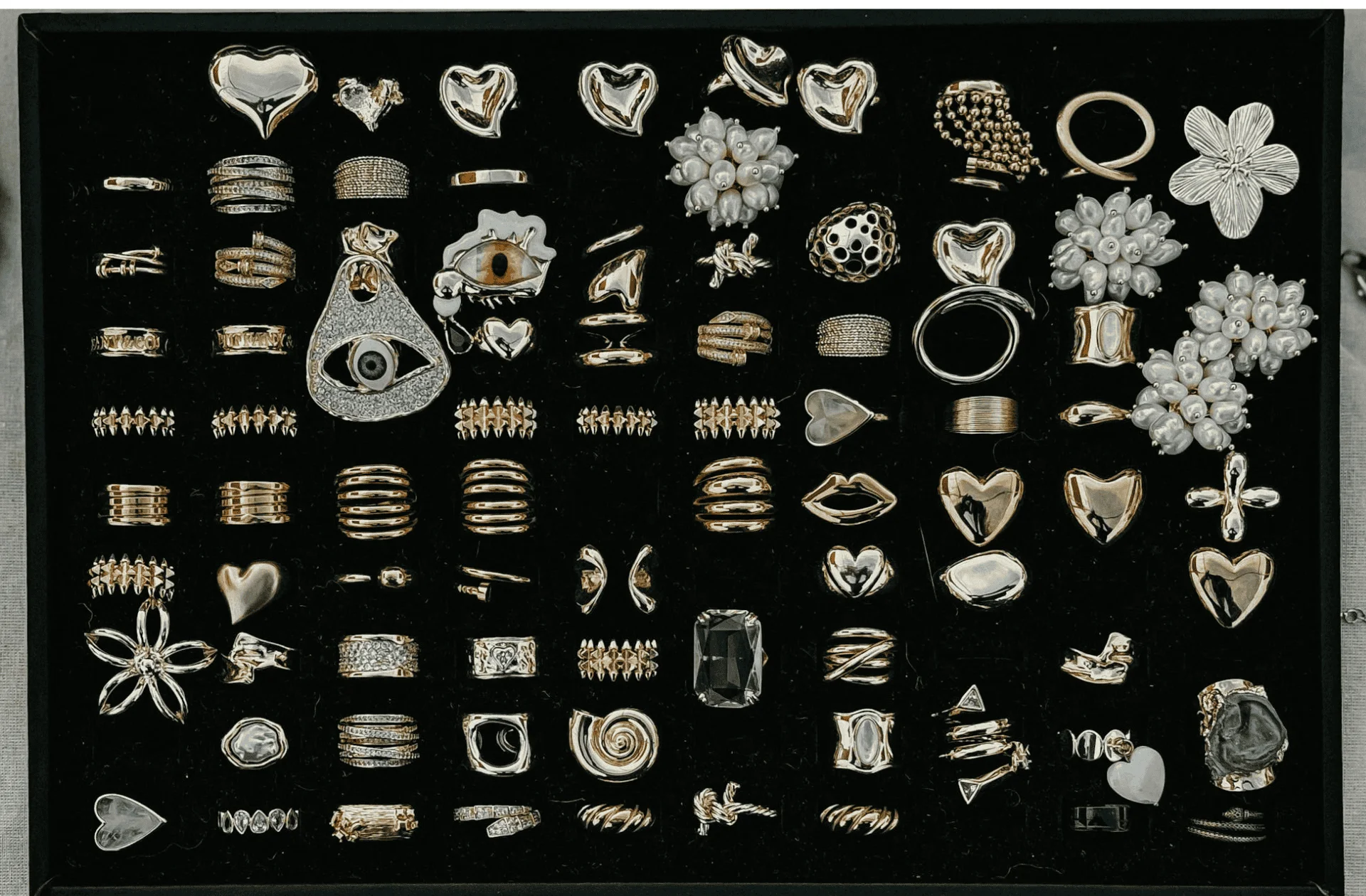
Gold jewelry isn’t worthless when it comes time to sell. But most sellers walk away with less than they expected because each side of the market values a piece differently.
Resale buyers pay based on the metal’s weight. Retail prices factor in labor, markup, and brand premium on top of that. The difference between the two is the “resale gap.”
Sellers have a few ways to close that gap:
- Sell through a marketplace. Pawn shops generally pay only a percentage of the melt value (the raw metal’s value). A marketplace puts sellers in front of buyers who care about design and craftsmanship, which usually means a better payout.
- List it independently. This means posting on a general resale platform, pricing the piece, taking photos, shipping, and answering buyer questions. It takes time, but sellers stay in charge of what the piece goes for.
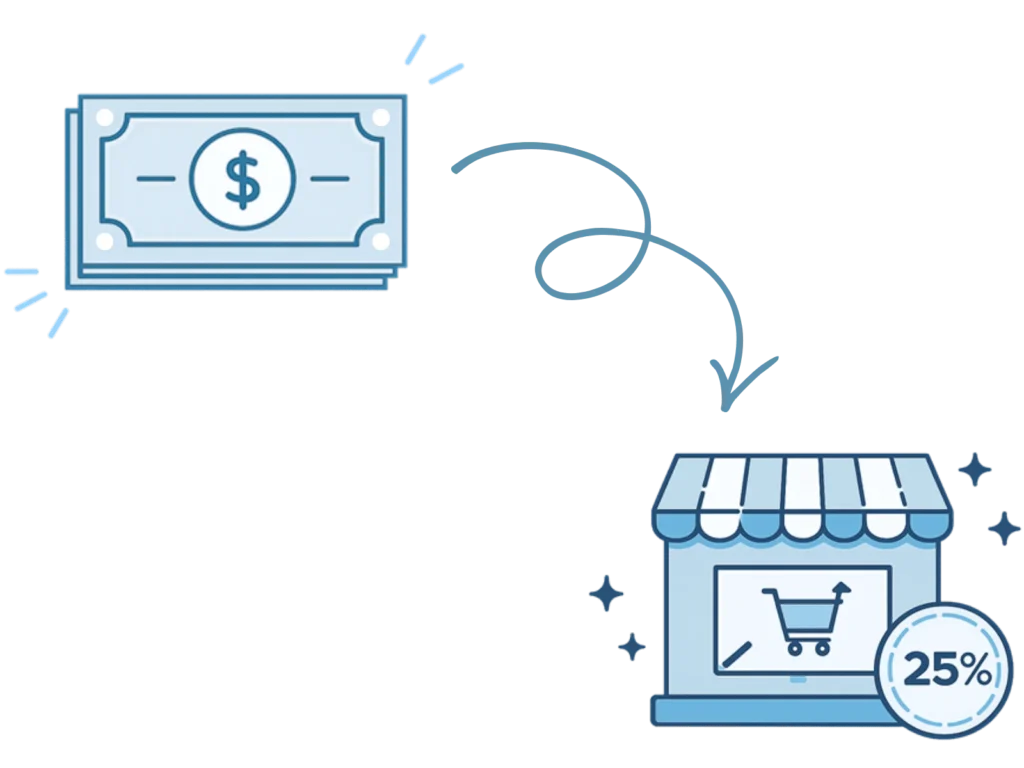
- Use The Alloy Market’s Double Pay Program. The melt value pays out to the seller right away. Then, if a buyer picks up the piece from the marketplace, a second payment follows for the resale difference.
Is your jewelry eligible for Double Pay?
We’re looking for high-quality estate and fine jewelry for our resale marketplace. Instead of melting it down, we find it a new home, and share the profits with you.
- Zero Risk: If it doesn’t resell, you still keep your original payout.
- Upfront Liquidity: Get cash the same day you accept your offer.
- Shared Upside: Earn 25% of the resale profit automatically.
Is your jewelry eligible for Double Pay?
We’re looking for high-quality estate and fine jewelry for our resale marketplace. Instead of melting it down, we find it a new home, and share the profits with you.
- Zero Risk: If it doesn’t resell, you still keep your original payout.
- Upfront Liquidity: Get cash the same day you accept your offer.
- Shared Upside: Earn 25% of the resale profit automatically.
The “Smart Buy” Strategy: Buying Pre-Loved Gold
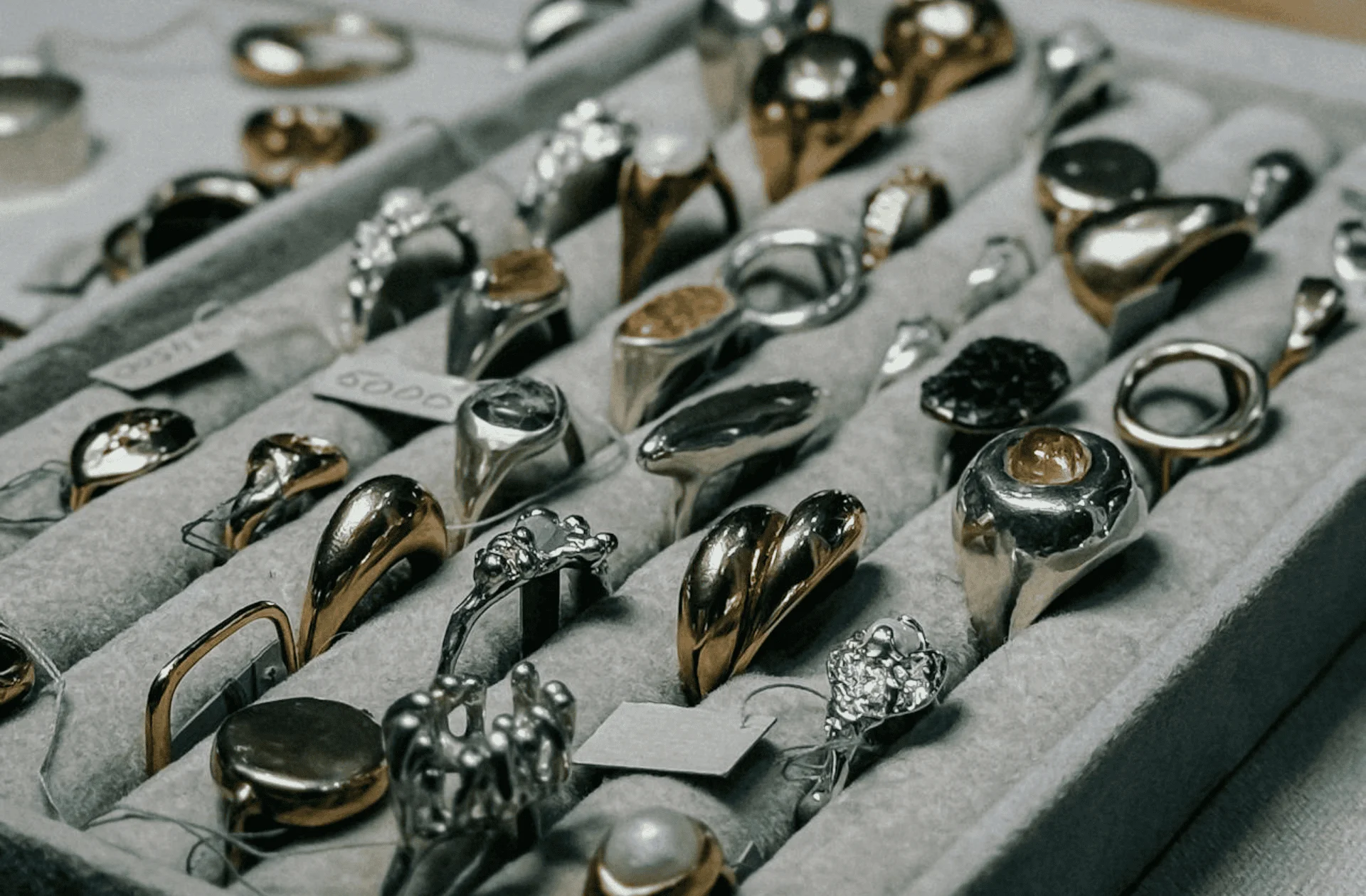
Estate jewelry came up earlier as a smarter alternative to retail, but the reasoning deserves a closer look.
Buying new means paying for advertising, store overhead, and brand markup, in addition to materials and labor. The moment a piece leaves the store, all that built-in premium effectively disappears. Estate buyers come out ahead by picking up pieces at prices closer to the actual value of the gold and gemstones.
There’s also a craftsmanship advantage that’s harder to put a price on. Many estate pieces feature artistry that would be too expensive to commission new today. In the estate market, that craftsmanship comes essentially free, since prices reflect metal weight and gemstone quality more than labor hours.
Direct-to-consumer marketplaces have made estate buying a lot more accessible. Without a traditional jeweler taking a cut, buyers can find pieces priced much closer to melt value while still getting a ready-to-wear piece.
Gold as a Wearable Investment: Why it Beats “Fast Fashion”
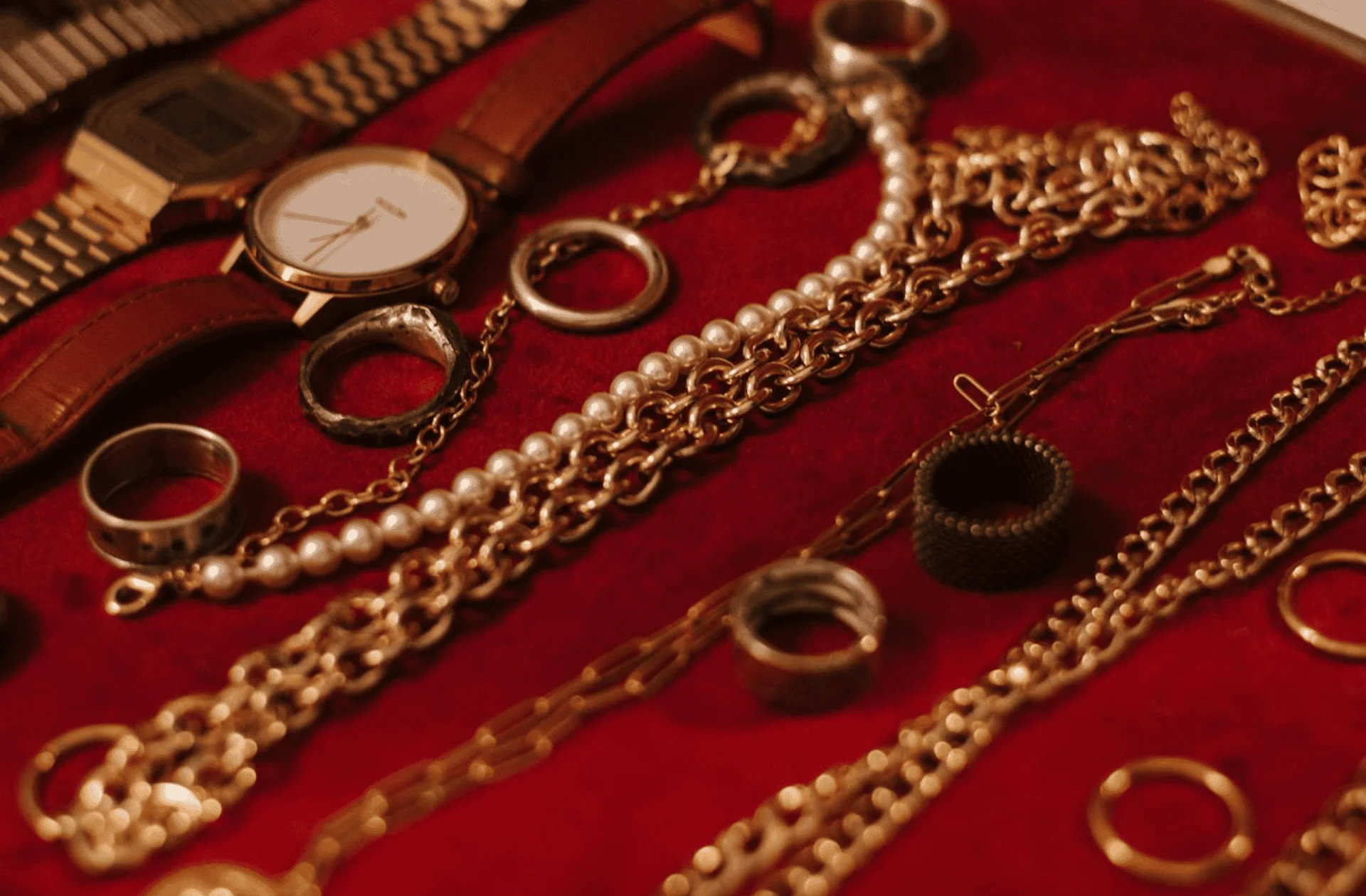
Smart buying is only half the equation. The other half is what happens to that piece’s value over time.
Most luxury purchases lose value the moment they’re owned, but gold jewelry behaves differently. It has a “value floor”; a price the piece will never drop below, no matter what happens to its style or condition.
Compare three $2,000 purchases, and that floor becomes obvious:
- A $2,000 designer handbag can lose most of its resale value if the style falls out of fashion or the leather scuffs. Trends shift, and the bag goes with them.
- A $2,000 laptop or phone depreciates. Within five to 10 years, it becomes outdated, slower, and less valuable on the resale market.
- A $2,000 solid 14K gold chain holds a permanent floor. Even if the style fades or the chain breaks, the gold itself is a globally traded commodity. Owners can melt it down and sell it for the spot price.
Gold jewelry also doubles as a hedge against inflation, unlike fast-fashion jewelry made of brass and plated plastic that loses its finish within a season. When the cost of living rises and the currency loses buying power, gold has historically held its value and even gone up.
Few wardrobe pieces last a decade and still sell for more than someone paid. Gold jewelry can.
Alloy Market For Your Gold Buying and Selling Needs
The Alloy Market is your one-stop shop for buying and selling gold. Sell the existing jewelry that you no longer wear by requesting a free evaluation kit. We pay for insurance, tracking, and shipping for your items so you know they’re safe in transit. Items are evaluated for purity and weight, and detailed, itemized offers are sent immediately after item inspection.
Items with resale potential may be eligible for our marketplace. If your item is selected and sold, you automatically receive a bonus payout for 25% of the profit as part of our Double Pay program.
Looking for the next addition to your collection? Shop our marketplace for pre-loved jewelry looking for a second life. Skip the high premiums on traditional retail, and find something that truly stands out, and enjoy free shipping.
Join the thousands of happy customers who have made Alloy their go-to precious metal dealer.