How to Buy Estate Jewelry: A Modern Guide to Smart Shopping


People turn to estate jewelry for various reasons: a wedding ring that fits the budget, a search for something one-of-a-kind, or just the appeal of buying pre-loved over brand-new.
Whatever the reason, shopping the estate market well requires knowing how to buy estate jewelry and what to look for. This guide covers what estate jewelry is, why it makes financial sense, and where to find estate jewelry for sale.
In a nutshell
Buying estate jewelry is a smart way to get fine jewelry at a lower price. Estate jewelry refers to any previously owned piece, regardless of age, and often sells at prices well below comparable new jewelry.
By understanding how to evaluate authenticity, condition, and value, buyers can find unique, high-quality pieces through estate jewelers, auctions, online marketplaces, and trusted resale platforms like The Alloy Market.
What Does “Estate Jewelry” Actually Mean?
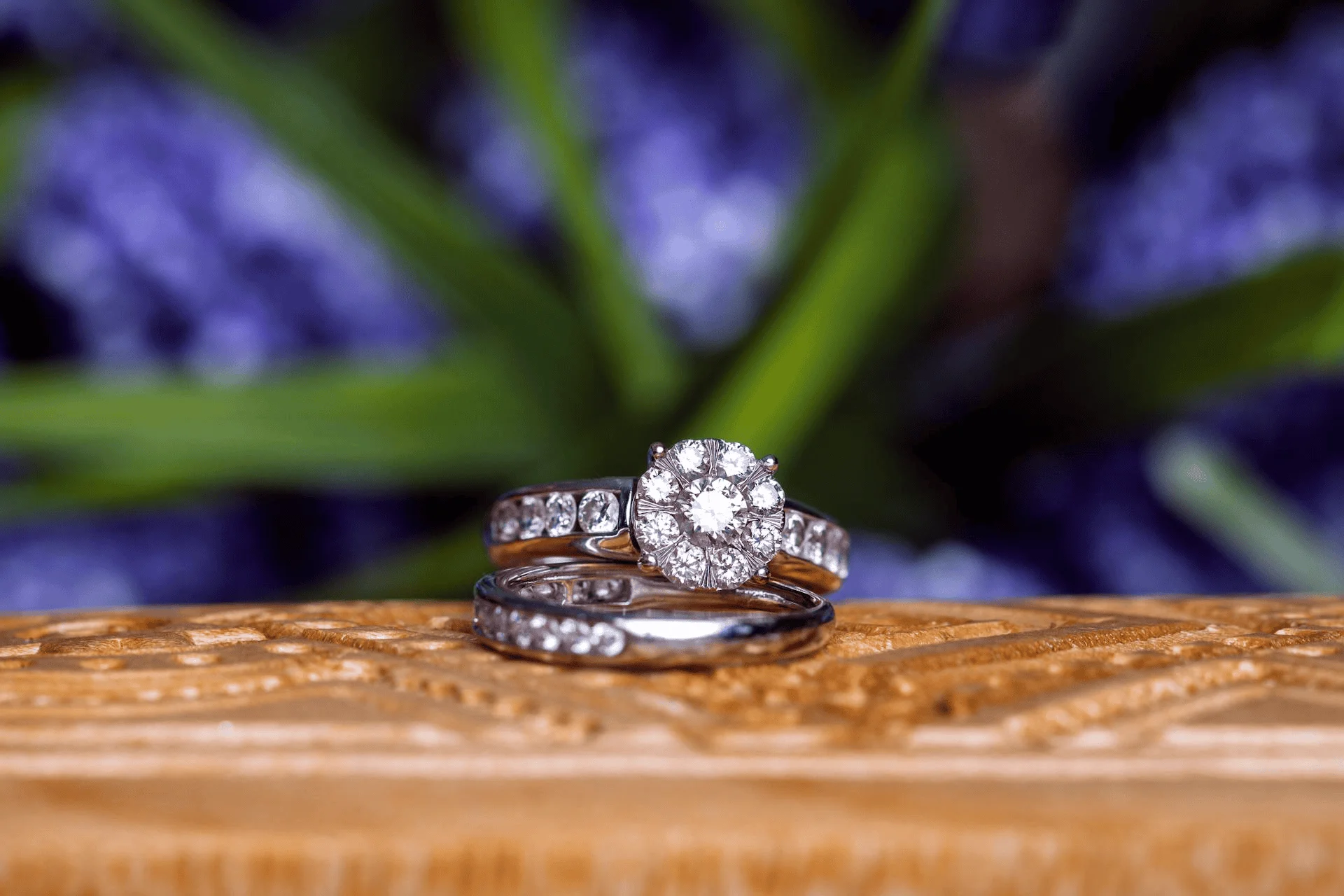
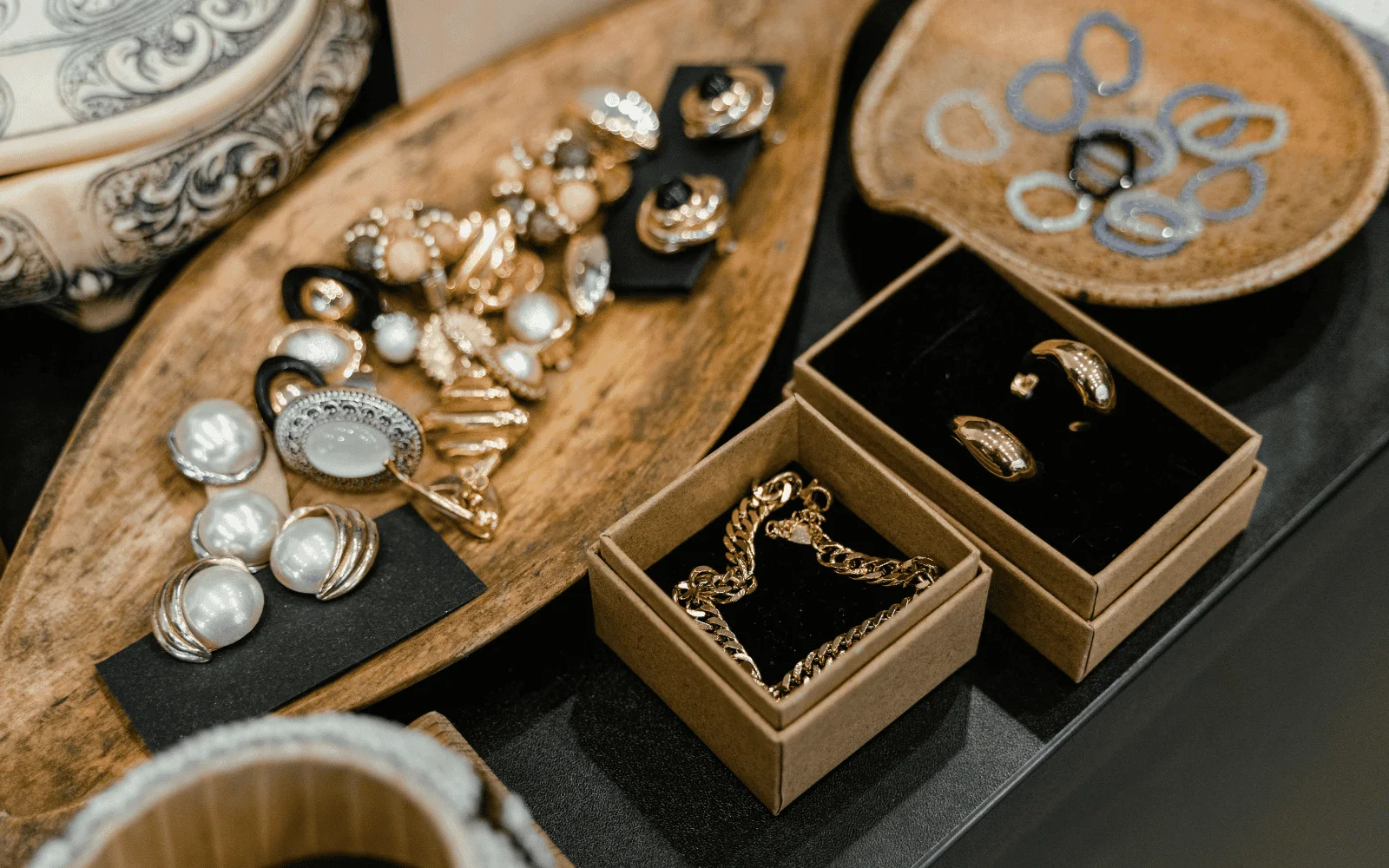
“Estate jewelry” is jewelry that has had at least one previous owner. The term has roots in estate law, where it once described jewelry inherited from a deceased person’s estate. Today, it simply means pre-owned fine jewelry, regardless of age or origin.
The big misconception: Does “estate” mean antique?
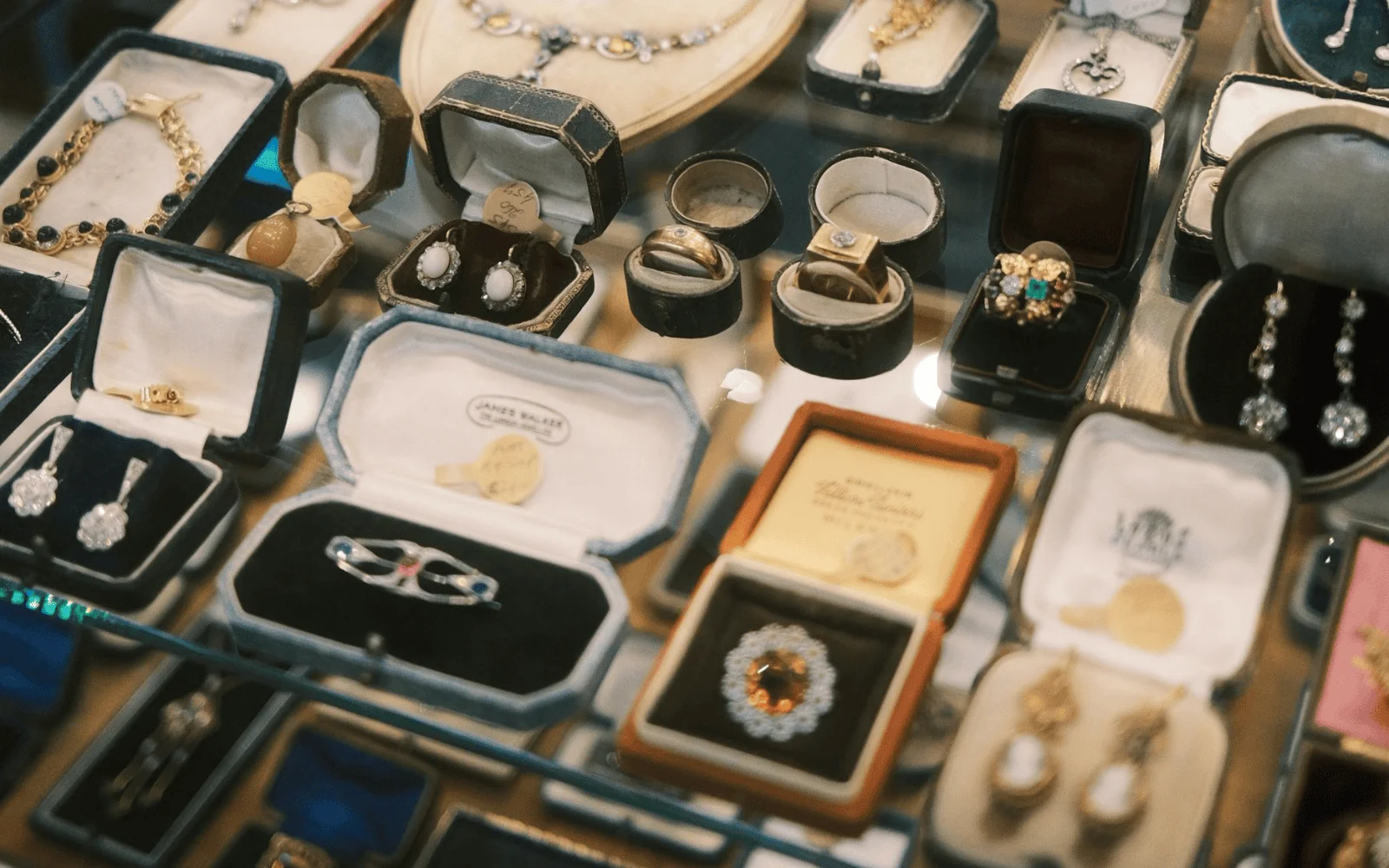
No, “estate” doesn’t mean antique. Many people hear that word and assume the jewelry either belonged to someone who has passed away or looks like something straight out of a period film. Neither is necessarily true.
A designer ring bought and resold last year qualifies as estate jewelry. So does a Victorian brooch from the 1800s. Both share one thing in common: a previous chapter of ownership.
Estate vs. vintage vs. antique: What’s the difference?
Estate jewelry is the broadest of the three. Any pre-owned piece qualifies, whether it was made last year or 60 years ago. Vintage and antique are more specific, defined by age.
| Category | Age | What It Means |
|---|---|---|
| Estate | Any age | Previously owned, regardless of when it was made |
| Vintage | 20 to 99 years old | Old enough to reflect a distinct era or style |
| Antique | 100+ years old | A true piece of jewelry history |
Any age
Previously owned, regardless of when it was made
20 to 99 years old
Old enough to reflect a distinct era or style
100+ years old
A true piece of jewelry history
The Financial Benefits of Going Pre-Loved
Understanding the categories gives buyers a foundation for shopping. The financial case for choosing pre-owned over new retail gives them a reason to do so, and the advantages often extend further than most people expect.
Why pre-owned fine jewelry costs less
Estate jewelry is cheaper because traditional retailers mark new pieces up well above their material value. Those markups can reach 200% to 300% to cover storefronts, staffing, and marketing, none of which apply in the secondary market (the resale market for pre-owned pieces).
Similar to buying a used car, estate jewelry shoppers pay for intrinsic value (what a piece is made of) rather than the retail premium attached to it. When a new piece leaves a jewelry store, it sheds that premium, and a buyer on the secondary market can pick it up for considerably less.
Purchasing from an estate jeweler or consignment shop still comes with some markup, though far less than what a traditional retailer charges. Personal sales between individuals tend to offer the lowest prices. But they require more effort to source and carry more risk without professional authentication.
Does estate jewelry hold its value over time?
Estate jewelry is an excellent store of value, one that holds its worth far better than most consumer purchases. That reliability is part of what makes estate pieces worth buying.
As touched on earlier, the biggest price drop happens the moment a new piece leaves the store. Estate buyers come in after that, at a price much closer to what the piece is actually worth. If they choose to sell later, they’re starting from a much better position.
Not all pieces hold their value equally, though. Recognized designer names, rare historical periods, and high-quality precious metals all work in a piece’s favor. And compared to fast-fashion or demi-fine jewelry (pieces made with plated metals), solid gold estate pieces are a better use of someone’s money.
How to Find and Vet Quality Pieces
Shopping the estate market well starts with knowing what to look for.
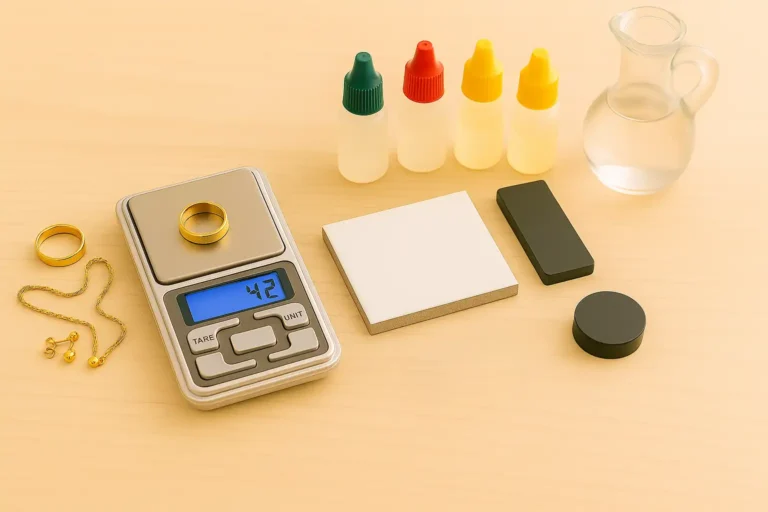
Check the following to learn about a piece before money changes hands:
- Metal purity hallmarks: Look for engraved stamps that confirm the metal content. Common hallmarks include 10K, 14K, and 18K for gold, and 925 for sterling silver.
- Condition: Give the prong wear (the small metal claws that hold stones in place) a close look, make sure clasps actually close, and check for deep scratches or cracks. Older pieces sometimes need work, so go in with eyes open.
- Maker’s marks: Look for designer stamps on inner bands, clasps, and hidden areas. Finding a mark from a well-known house can significantly affect a piece’s value.
Tip: When in doubt, buy through a platform that does the authentication work upfront. It takes the guesswork out and makes it much harder to end up with something fake.
Where to Buy Estate Jewelry: Local vs. Online Channels
Local jewelry stores, auction houses, and online marketplaces all carry estate jewelry for sale. The shopping experience and risks vary more than buyers might expect, though.
Buying estate jewelry locally (estate sales, auctions, and pawn shops)
Estate sales and local auctions offer some of the best prices in the pre-loved jewelry market, plus the thrill of finding something unexpected. The catch is that most sales are as-is and final. If a piece turns out to be fake or has hidden damage, there are no returns.
Pawn shops and jewelers offer a somewhat safer experience since a professional has typically looked over each piece before putting it on display. The trade-off of going this route is selection. Inventory tends to be limited, turnover is slow, and brick-and-mortar markups still apply.
Buying estate jewelry online (peer-to-peer marketplaces)

Etsy, eBay, and Facebook Marketplace are where a lot of estate jewelry hunting happens these days. The selection spans the globe, with rare cuts and discontinued designs that may not turn up locally.
But vetting listings can be challenging. Fake designer stamps show up regularly, and sellers frequently misrepresent stone quality and gem grading. Without independent authentication on a listing, buyers are flying blind.
The Safest Way to Shop Circular: The Alloy Market
The Alloy Market operates on a different model than most pre-loved jewelry channels. Rather than melting down every fine piece that comes through its network, we select the best items from those customers have sold to us, authenticate them, and list them on our curated marketplace.
That process solves the core problem buyers run into everywhere else. The jewelry for sale on The Alloy Market has already been verified and fairly priced, which means no sketchy bidding wars, no as-is surprises, and no guessing about what’s real. We also offer free shipping and a seven-day return policy.
Browse The Alloy Market’s collection of stunning estate jewelry for sale and find a piece worth wearing for years to come.