
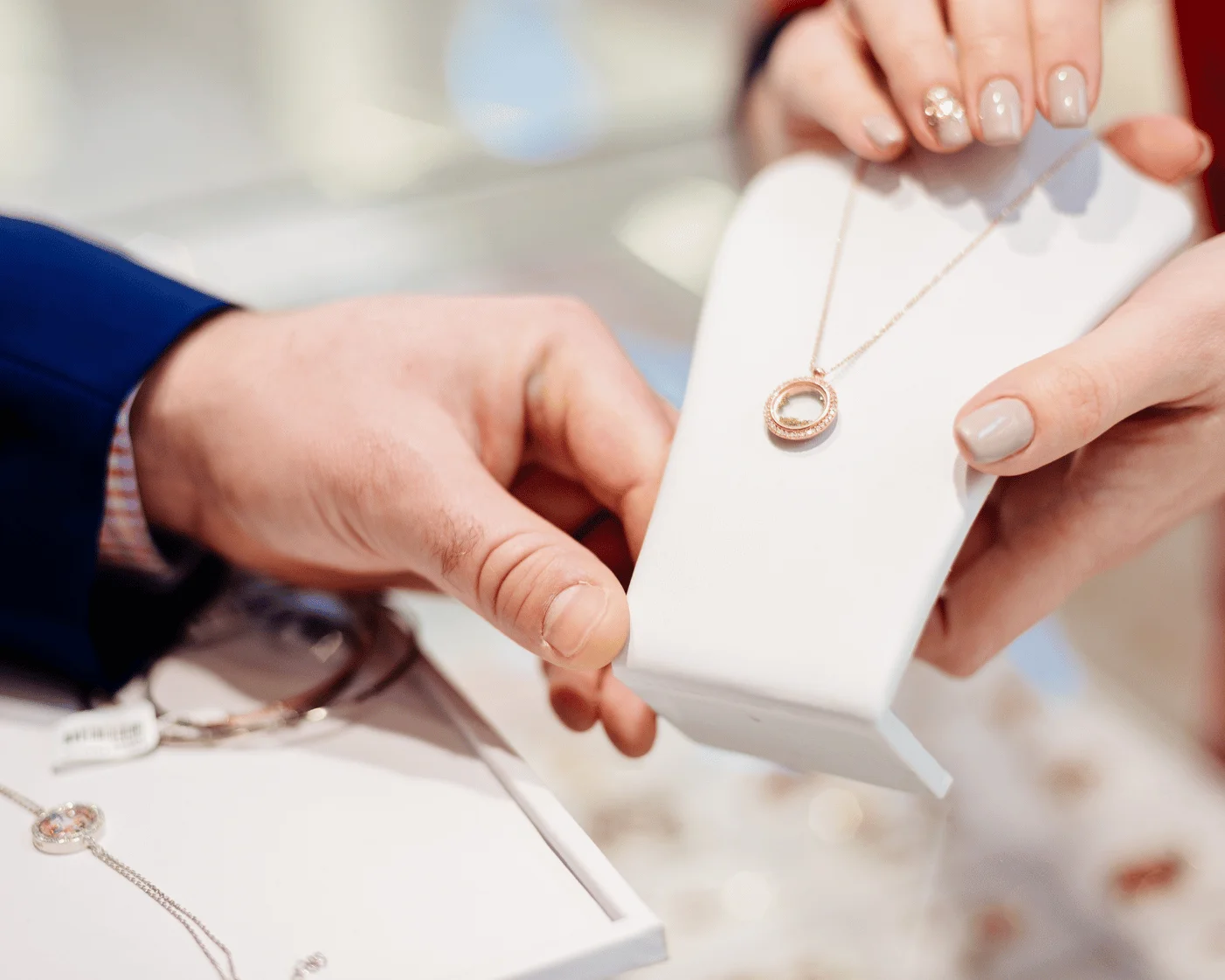
How to Buy Gold Jewelry: What to Buy, Where to Shop & Buying Tips


No matter where you shop for gold jewelry, you’ll quickly realize the options are endless. Between different karats, colors, styles, gemstones, and price points, it’s easy to buy on impulse or become so overwhelmed that you walk away empty-handed.
Buying gold jewelry should be exciting, whether you’re building a daily collection or investing in an heirloom piece. A clear plan makes all the difference. In this guide, our team breaks down exactly how to evaluate gold purities, choose the right style for your lifestyle, and navigate sellers with complete confidence.
The Alloy Takeaway
If you’re new to buying gold, you first need to understand the basics so you don’t ultimately end up disappointed. First, understand gold basics, decide how often you will wear it, what type and color you want, and whether you will purchase new or pre-loved. Once you’re clear on what you want, you can choose where you’ll buy it. There are many options available, and each has its benefits and drawbacks. Being intentional can make your gold buying experience something to be excited about.
Choosing the Right Gold Jewelry

A big part of knowing how to buy gold jewelry is first knowing what you actually want to buy.
This requires asking yourself a few simple questions: Will you wear it every day or only on special occasions? Are you buying it for yourself, as a gift, or as something you hope to pass down one day?
Once you’ve answered those, you will have narrowed down your options. You’ll spend less time second-guessing your decision and be more likely to end up with a piece you’ll enjoy for years instead of one that leaves you with buyer’s remorse.
Types of gold jewelry
When people talk about “gold jewelry,” they could be referring to anything from solid 24K gold to gold-plated fashion jewelry. Since many of these pieces can look almost identical at first glance, the table below highlights the pros and cons of each type.
| Type | Description | Pros | Cons |
|---|---|---|---|
| 24K Gold | Pure gold (99.9%) with the richest yellow color. |
|
|
| 22K Gold | 91.7% pure gold; commonly used in traditional and cultural jewelry. |
| Still relatively soft and less resistant to wear than lower-karat gold |
| 18K Gold | 75% pure gold; widely used in fine and designer jewelry | More suitable for daily wear compared to 24K and 22K variants | More expensive than 14K or 10K |
| 14K Gold | 58.3% pure gold; the most popular gold purity for jewelry in the United States |
|
|
| 10K Gold | 41.7% pure gold; the lowest karat legally marketed as gold in the United States. |
|
|
| Gold Filled | A thick layer of real gold mechanically bonded to a base metal, typically brass. |
| Lower intrinsic value and resale value than solid gold |
| Gold Vermeil | Sterling silver with a thick layer of gold. |
|
|
| Gold Plated | A thin layer of gold electroplated over a base metal such as brass or copper. |
|
|
- Highest gold purity and intrinsic value
- Rich yellow appearance
- Won’t tarnish
- Scratches and bends easily
- Not practical for daily wear
- The most expensive among the solid gold variants
- More durable and affordable than 24K gold
- High intrinsic value
- Less tarnishing compared to lower-karat gold
- Offers excellent balance of durability, luxury, and price
- Ideal for everyday wear
- Less gold content than 18K or 22K
- Slightly lighter yellow color
- Most durable and scratch-resistant solid gold option
- Most affordable among common gold jewelry karats
- Lowest intrinsic value among solid gold
- Paler yellow appearance
- More durable than standard gold-plated pieces
- More affordable compared to solid gold
- Precious metal base
- Better quality and value than standard plating
- Gold layer will eventually wear over time
- Generally less durable than gold filled or solid gold
- Lowest purchase price
- Ideal for fashion jewelry or keeping up with trends
- Negligible gold intrinsic value
- Gold layer wears much quicker than gold-filled or vermeil
- Not ideal for everyday wear
If you want to know more about these gold types, check out these resources:
- 10K vs. 14K vs. 18K Gold: The Ultimate Buyer’s Comparison Guide
- Gold-Filled vs. Gold-Plated: Which to Choose
- Does Gold Tarnish? Causes, Signs, and How to Remove It
How often will you wear the gold jewelry?
The more often you plan to wear a piece, the more durable it needs to be. If you plan to wear your gold jewelry almost every day, 14K gold is the best all-around choice.
It offers one of the best balances of durability, gold content, and appearance, which is exactly why it’s the most popular choice for rings, bracelets, necklaces, earrings, and other everyday jewelry.
If durability is the top priority, 10K gold is an even tougher option at a lower price point. It’s a good fit if you have a hands-on job or an active lifestyle.
You can reserve 22K and 18K gold for special occasions, such as weddings, formal events, or celebrations. That way, you can enjoy their rich yellow color and luster without exposing them to the knocks and scratches of everyday wear.
If your budget doesn’t quite stretch to solid gold, gold-filled jewelry is the best choice among gold-coated options thanks to its much thicker protective gold layer.
Gold jewelry specifications and preferences
Not every jeweler or marketplace carries every ring width, chain length, bracelet size, or gold color.
By keeping your preferred specifications and style preferences in mind, you’ll have an easier time narrowing your options instead of settling for something close but not quite what you had in mind.
Jewelry specifications
The specifications worth noting depend on the type of jewelry you’re buying.
- Rings: Ring size, band width, band profile (flat, rounded, comfort fit), and gemstone setting if applicable.
- Chains: Length, thickness, and link style (such as cable, curb, rope, or box). These factors affect where the chain sits, how bold it looks, and how much it weighs.
- Necklaces: Chain length, pendant dimensions, and the clasp type.
- Bracelets: Bracelet length, width, style (bangle, chain, cuff, tennis, etc.), and clasp type.
- Earrings: Style (stud, hoop, drop, huggie), dimensions, and weight. Larger earrings, for example, can become uncomfortable if worn for long periods.
- Pendants: Overall dimensions, bail size (the loop that slides onto the chain), and whether it comes with a chain or is sold separately.
Also consider whether you’re buying a piece to complement your existing jewelry collection or one that’s intended for layering, particularly if you’re shopping for necklaces or bracelets.
Having these specifications written down also makes comparing listings much easier. You’ll be looking at pieces with similar dimensions rather than completely different products.
Gold color preferences
While this mostly comes down to personal preference, each color tends to suit different styles and occasions:
- Yellow gold: The classic choice with a rich, warm appearance. It’s ideal if you prefer traditional designs, vintage-inspired jewelry, or timeless pieces you’ll wear for years and perhaps even pass down as heirlooms.
- White gold: A bright, contemporary option that pairs especially well with diamonds and cooler color palettes. If your style leans more minimalist, white gold is right up your alley.
- Rose gold: Its warm pink hue tends to complement a wide range of skin tones.
Are you buying new or pre-owned?
Whether you’re buying new or pre-owned is another decision worth making before you start shopping. It affects not only how much you’ll pay, but also the styles, brands, and collections available to you.
If you’re buying gold jewelry primarily for its intrinsic gold value, don’t overlook the secondary market. At The Alloy Market, for example, we specialize in authenticated pre-owned fine jewelry, including estate, vintage, antique, discontinued, and designer pieces.
Our experts verify every piece using XRF analysis, so you get the same gold purity as a brand-new piece without paying the full retail price tag.
Of course, buying brand-new jewelry is just as valid a choice. For some people, there’s something special about being the first owner and making their own memories with a piece instead of buying one with a history.
If that’s what matters most to you, you’ll have plenty of retailers and independent jewelers to choose from.
Where to Buy Gold Jewelry (and How Each Option Works)
By now, you should have a better idea of the type of gold jewelry that suits your lifestyle and preferences. The next step is deciding where to buy it.
Each gold seller has its own area of specialization, and choosing one that matches your priorities will make the entire buying process much easier.
| Where to Buy | Best For |
|---|---|
| The Alloy Market | Authenticated pre-owned fine jewelry at lower price points |
| Local Independent Jewelers | Custom-made, handcrafted, and personalized gold jewelry |
| Retail Jewelry Stores | Brand-new gold jewelry, warranties, resizing, and in-store shopping |
| Luxury Jewelry Stores | Iconic designer collections, prestige brands, and exclusive buying experiences |
| Estate Jewelry Stores | Estate, antique, vintage, and discontinued gold jewelry |
| Auction Houses | Rare, collectible, and investment-grade designer jewelry |
| Online Marketplaces (Etsy & eBay) | Handmade jewelry, vintage finds, and the widest selection of sellers |
| Pawn Shops | Budget-conscious buyers comfortable evaluating authenticity themselves |
Looking for a more detailed comparison? Read our guide to the best places to buy gold jewelry.
How to buy gold jewelry from The Alloy Market
The Alloy Market is ideal for gold buyers who want genuine, authenticated gold jewelry without paying full retail prices. Unlike traditional retailers who charge high premiums for brand names, we focus on the intrinsic value and craftsmanship of every piece we list for sale.
Our marketplace features a steady inflow of pre-loved fine jewelry, including estate, designer, and quiet luxury pieces, as well as one-of-a-kind finds. Every item in our collection is 100% solid gold; we never list gold-plated or vermeil items.
Steps:
- Browse Curated Inventory: Browse verified estate, designer, and one-of-a-kind pre-loved pieces.
- Review Verified Specs: Every listing includes exact karat purity verified via non-destructive X-ray fluorescence (XRF) scanners and precise total weight measured on state-certified scales. Our team verifies gemstones, but does not grade them.
- Seamless Checkout: Complete your purchase with your preferred accepted payment method.
- Free Shipping: We cover shipping so you only pay for your jewelry (and applicable taxes).
- 7-Day Guarantee: Shop confidently with our free 7-day return and refund policy.
How to buy gold jewelry from local independent jewelers

Local jewelers are a popular choice for buyers who value in-person guidance throughout the buying process.
They’re also one of the best places to shop if you’re looking for a custom-made piece, which is why many people choose them for engagement rings, wedding bands, and other sentimental jewelry.
Chances are, you’ll have several local jewelers to choose from in your city or nearby. You can do a quick Google search or ask friends and family for recommendations to narrow down your options.
Before deciding on a jeweler, though, it’s worth visiting a few local stores to compare their craftsmanship, designs, and pricing.
Once you’ve found the one you like, discuss your budget, preferred gold purity, style, gemstones, and any customization you’d like. If you’re having a piece made, they may also require that you review sketches, CAD renderings, or wax models before approving the final design.
Finally, inspect the finished piece to make sure it matches the agreed specifications before taking it home.
How to buy gold jewelry from retail jewelry stores
When you search for “gold jewelry near me,” retail jewelry stores will likely be among the first results. You’ll also find them in shopping malls and department stores, often carrying collections from both their own brand and other established jewelry brands.
Retail jewelry stores are a good option if you want to see and compare pieces in person before deciding. You can try on different styles, compare gold colors side by side, and ask questions about the jewelry’s specifications.
As you shop, don’t feel pressured to buy from the first store you visit. It pays to compare a few retailers for available styles, craftsmanship, and pricing.
How to buy gold jewelry from luxury jewelry stores
Luxury jewelry stores are the destination for buyers seeking iconic brands like Tiffany & Co., Cartier, or Van Cleef & Arpels, and who value a white-glove buying experience.
Unlike traditional retail jewelry stores, purchases at luxury boutiques often center on a brand’s signature collections, each with its own design language, history, and identity.
A significant portion of the purchase price also reflects the brand’s heritage, exclusivity, and overall ownership experience, in addition to the intrinsic value of the gold itself.
Rather than browsing dozens of unrelated styles, you’ll typically spend your visit becoming familiar with a brand’s collections and deciding which one best suits your personal style.
From there, you’ll compare different sizes, gold colors, gemstone options, and other variations within that collection before making your final decision.
If you’re considering more than one luxury house, don’t hesitate to visit several boutiques. Seeing the collections in person makes it much easier to appreciate the nuances before committing to such a significant purchase.
How to buy gold jewelry from estate jewelry stores
Estate jewelry stores are a good choice for buyers looking for distinctive pre-owned pieces, from vintage and antique designs to discontinued collections from established brands.
The process usually starts by browsing the store’s available inventory, either online or in person.
Once you find a piece you like, the dealer should be able to explain its gold purity, condition, approximate age, gemstones, maker’s marks, and any known history.
Take a close look at the clasps, prongs, links, previous repairs, and signs of heavy wear, since pre-owned jewelry is rarely in factory-new condition. The dealer may also provide an appraisal or supporting documentation with additional information about the piece’s materials and quality.
Pricing is typically fixed, although some stores occasionally run sales or mark down older inventory, making them a good option for bargain hunters. Others may also be open to negotiation, especially if a piece has remained unsold for some time.
Once you agree on the price, you complete the purchase and either take the piece home or arrange insured delivery.
How to buy gold jewelry from auction houses
Auction houses are often where buyers turn for rare estate jewelry, collectible designer pieces, and exceptional examples of antique craftsmanship that are difficult to find elsewhere.
Unlike buying from most other sellers, the process typically starts well before auction day. You’ll browse the auction catalog, narrow down the pieces that interest you, and carefully review their descriptions, condition reports, provenance, and any supporting documentation.
If possible, attend the preview and inspect the jewelry in person before registering to bid.
Before the auction begins, decide on your maximum budget, including the buyer’s premium, and stick to it. Once bidding starts, it’s easy to get caught up in the excitement, so don’t go beyond the limit you’ve already set.
If you win the auction, you’ll complete payment through the auction house before arranging collection or insured shipping.
How to buy gold jewelry from online marketplaces (Etsy & eBay)
With online marketplaces like Etsy and eBay, the biggest advantage is access to an enormous selection of gold jewelry. That’s all thanks to the thousands of sellers offering everything from handmade pieces and estate jewelry to vintage and designer collections.
That also means buyers need to do more due diligence, especially when evaluating a listing for authenticity and avoiding scams.
Like any e-commerce purchase, the process starts by narrowing your search. Use filters such as gold purity, jewelry type, price, condition, and many others.
Once you find a piece that interests you, read the description carefully to make sure it matches your requirements. Then, review the seller’s ratings and customer feedback.
If details such as the gold weight, hallmarks, or condition aren’t clear, contact the seller before purchasing.
When you’re ready, complete the transaction using the platform’s payment system so you can benefit from its buyer protection policies should any issues arise.
On eBay, look for listings with the Authenticity Guarantee badge where available. Meanwhile, Etsy offers Purchase Protection for eligible orders that don’t arrive, arrive damaged, or don’t match the listing description.
How to buy gold jewelry from pawn shops
Every visit to a pawn shop is different, as inventory depends entirely on jewelry bought outright or left behind after unredeemed pawn loans.
That also means you can often find genuine gold jewelry at lower prices than in traditional retail stores, making them well worth a look if you enjoy hunting for bargains.
The buying process is fairly straightforward. You’ll browse whatever is available that day and pick out the pieces that interest you.
Once you find a piece you like, inspect it carefully for hallmarks, signs of wear, previous repairs, and damage. Afterward, ask the pawnbroker about its gold purity, weight, and overall condition.
Since negotiation is often part of the buying process, don’t hesitate to make a reasonable offer.
Once you agree on a price, complete the purchase after confirming the shop’s return policy, as many pawn shops sell jewelry on an as-is basis.
Tips for Buying Gold Jewelry with Confidence
Before finalizing any purchase, keep these editorial guidelines in mind:
- Verify that it’s real gold. While checking for karat hallmarks is good practice, not all genuine gold jewelry is stamped. If you’re unsure, ask for authentication or choose sellers that verify gold purity using methods such as XRF analysis.
- Calculate the gold’s spot value first. Use the current spot price, along with the jewelry’s weight and karat, as a benchmark for its underlying gold value.
- Read the return and warranty policy. Before purchasing, understand the return window, exchange policy, warranty coverage, resizing services, repair options, and who pays for return shipping if needed.
- Research the seller first. Read customer reviews, check how long they’ve been in business, look for independent review platforms or Better Business Bureau accreditation, and see whether they clearly explain their authentication process.
- Don’t pay for the name alone. Two 18K gold necklaces contain the same percentage of gold (75%) regardless of the brand. If you’re buying for the intrinsic gold value rather than prestige, authenticated pre-owned jewelry often offers better value.
Buy Pre-loved Gold Jewelry at The Alloy Market

If you’re looking for authentic gold jewelry at below-retail prices, The Alloy Market is the place to be.
Our marketplace features a constantly changing collection of pre-loved fine jewelry, including vintage, estate, quiet luxury, and one-of-a-kind finds that are hard to come by through traditional retailers.
Before we offer any piece for sale, we verify its gold purity using X-ray fluorescence (XRF) analysis. This non-destructive testing method lets our experts accurately determine the metal’s composition, so you can buy with confidence, knowing the gold is exactly as described.
Buying pre-loved jewelry is also a more sustainable way to own gold. Giving an existing piece a new home helps extend its life while reducing demand for newly mined gold, an industry associated with significant environmental impacts.
Getting started is easy. Browse the marketplace, compare the pieces that catch your eye, review their specifications, then complete your purchase online.
Your jewelry comes with free shipping, insurance, and tracking so that you can follow its journey right to your doorstep.


